

GIVE THE PERFECT GIFT
Erin Mills Town Centre Gift Cards are the perfect choice for your gift giving needs.Purchase gift cards at kiosks near the food court or centre court, at Guest Services, or click below to purchase online.PURCHASE HEREHome
Belles and Poets: Intertextuality in the Civil War Diaries of White Southern Women
Indigo
Loading Inventory...
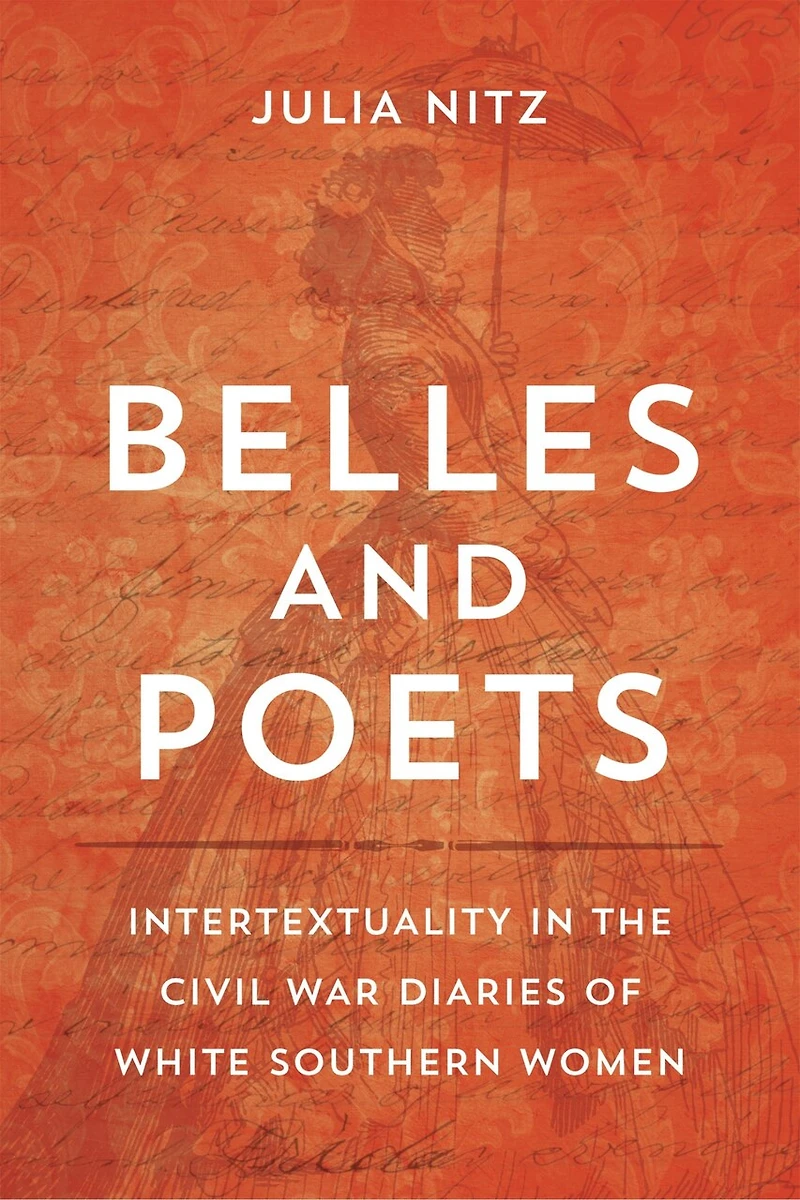
Belles and Poets: Intertextuality in the Civil War Diaries of White Southern Women
Current price: $74.95

Belles and Poets: Intertextuality in the Civil War Diaries of White Southern Women
Current price: $74.95
Loading Inventory...
Size: Hardcover
*Product information may vary - to confirm product availability, pricing, shipping and return information please contact Indigo
In Belles and Poets, Julia Nitz analyzes the Civil War diary writing of eight white women from the U.S. South, focusing specifically on how they made sense of the world around them through references to literary texts. Nitz finds that many diarists incorporated allusions to poems, plays, and novels, especially works by Shakespeare and the British Romantic poets, in moments of uncertainty and crisis. While previous studies have overlooked or neglected such literary allusions in personal writings, regarding them as mere embellishments or signs of elite social status, Nitz reveals that these references functioned as codes through which women diarists contemplated their roles in society and addressed topics related to slavery, Confederate politics, gender, and personal identity.
Nitz’s innovative study of identity construction and literary intertextuality focuses on diaries written by the following women: Eliza Frances (Fanny) Andrews of Georgia (1840–1931), Mary Boykin Miller Chesnut of South Carolina (1823–1886), Malvina Sara Black Gist of South Carolina (1842–1930), Sarah Ida Fowler Morgan of Louisiana (1842–1909), Cornelia Peake McDonald of Virginia (1822–1909), Judith White Brockenbrough McGuire of Virginia (1813–1897), Sarah Katherine (Kate) Stone of Louisiana (1841–1907), and Ella Gertrude Clanton Thomas of Georgia (1843–1907). These women’s diaries circulated in postwar commemoration associations, and several saw publication. The public acclaim they received helped shape the collective memory of the war and, according to Nitz, further legitimized notions of racial supremacy and segregation. Comparing and contrasting their own lives to literary precedents and fictional role models allowed the diarists to process the privations of war, the loss of family members, and the looming defeat of the Confederacy.
Belles and Poets establishes the extent to which literature offered a means of exploring ideas and convictions about class, gender, and racial hierarchies in the Civil War–era South. Nitz’s work shows that literary allusions in wartime diaries expose the ways in which some white southern women coped with the war and its potential threats to their way of life.
In Belles and Poets, Julia Nitz analyzes the Civil War diary writing of eight white women from the U.S. South, focusing specifically on how they made sense of the world around them through references to literary texts. Nitz finds that many diarists incorporated allusions to poems, plays, and novels, especially works by Shakespeare and the British Romantic poets, in moments of uncertainty and crisis. While previous studies have overlooked or neglected such literary allusions in personal writings, regarding them as mere embellishments or signs of elite social status, Nitz reveals that these references functioned as codes through which women diarists contemplated their roles in society and addressed topics related to slavery, Confederate politics, gender, and personal identity.
Nitz’s innovative study of identity construction and literary intertextuality focuses on diaries written by the following women: Eliza Frances (Fanny) Andrews of Georgia (1840–1931), Mary Boykin Miller Chesnut of South Carolina (1823–1886), Malvina Sara Black Gist of South Carolina (1842–1930), Sarah Ida Fowler Morgan of Louisiana (1842–1909), Cornelia Peake McDonald of Virginia (1822–1909), Judith White Brockenbrough McGuire of Virginia (1813–1897), Sarah Katherine (Kate) Stone of Louisiana (1841–1907), and Ella Gertrude Clanton Thomas of Georgia (1843–1907). These women’s diaries circulated in postwar commemoration associations, and several saw publication. The public acclaim they received helped shape the collective memory of the war and, according to Nitz, further legitimized notions of racial supremacy and segregation. Comparing and contrasting their own lives to literary precedents and fictional role models allowed the diarists to process the privations of war, the loss of family members, and the looming defeat of the Confederacy.
Belles and Poets establishes the extent to which literature offered a means of exploring ideas and convictions about class, gender, and racial hierarchies in the Civil War–era South. Nitz’s work shows that literary allusions in wartime diaries expose the ways in which some white southern women coped with the war and its potential threats to their way of life.
You May Also Like








More About Indigo at Erin Mills Town Centre
The largest book retailer in Canada also offers toys, music, home décor, gifts and lifestyle products. What's Inside...Books, Magazines, CD’s and DVD’s, Toys and Gifts, Home Accents, Electronics, Baby’s and Children’s Section, Bath and Body, Kitchen and Bedroom, Stationary Located outside in the exterior plaza.
5015 Glen Erin Dr, Mississauga, ON L5M 0R7, Canada
Find Indigo at Erin Mills Town Centre in Mississauga ON
Visit Indigo at Erin Mills Town Centre in Mississauga ON