

GIVE THE PERFECT GIFT
Erin Mills Town Centre Gift Cards are the perfect choice for your gift giving needs.Purchase gift cards at kiosks near the food court or centre court, at Guest Services, or click below to purchase online.PURCHASE HEREHome
Bellotto and Canaletto: Wonder and Light
Indigo
Loading Inventory...
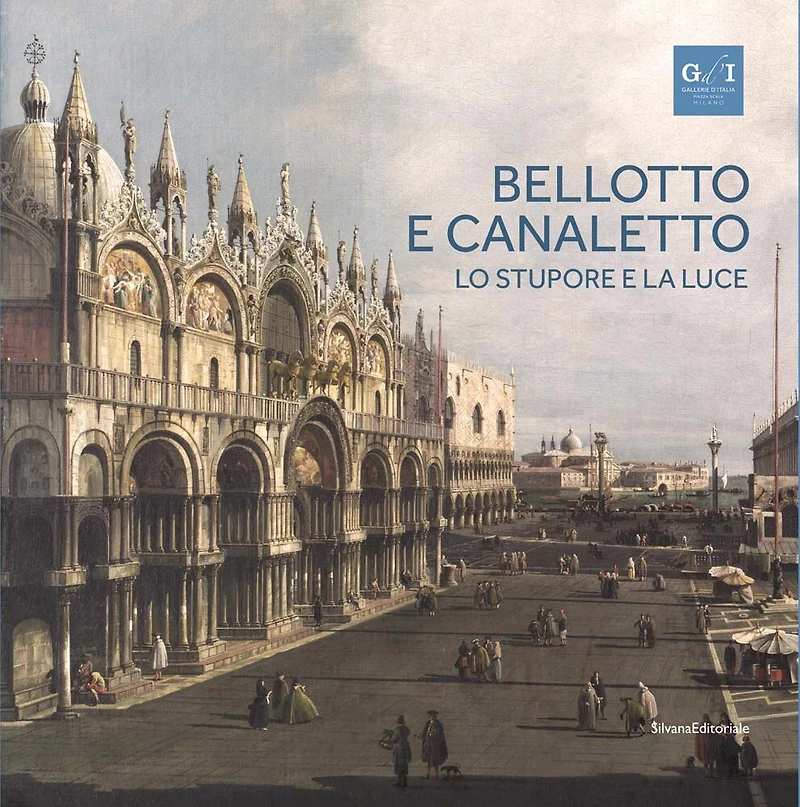
Bellotto and Canaletto: Wonder and Light
Current price: $67.50

Bellotto and Canaletto: Wonder and Light
Current price: $67.50
Loading Inventory...
Size: Hardcover
*Product information may vary - to confirm product availability, pricing, shipping and return information please contact Indigo
This book reveals the extraordinary artistic relationship between Italian artists Canaletto (1697–1768) and Bernardo Bellotto (1722–80). Bellotto was Canaletto’s nephew and assistant, and an adept pupil—he picked up his uncle’s teachings so well that he sometimes signed his work as “Bellotto de Canaletto” and traded on the illustrious name, particularly after he settled in northern Europe in 1747. Canaletto, famous for his precisely painted views of Venice, taught Bellotto how to use a camera obscura in his painting, and both share a meticulous style. But in the course of Bellotto’s travels (from Venice to Rome to Dresden, Vienna, Munich and finally Warsaw, where he remained until his death) the artist developed his own methods and interests. Favoring a cooler palette then his uncle, and interspersing his precise architectural vedute with modern landscapes and portraiture, Bellotto distinguished himself from his uncle. The recent rediscovery of the inventory of goods from Bellotto’s house in Dresden—included in this volume—finally offers a key to understanding the artist’s culture and personality. One of the 18th century’s most restless artists, Bellotto seems ripe for rediscovery, and Bellotto and Canaletto: Wonder and Light offers a long-overdue exploration of the relationship between the artist and his famous mentor.
This book reveals the extraordinary artistic relationship between Italian artists Canaletto (1697–1768) and Bernardo Bellotto (1722–80). Bellotto was Canaletto’s nephew and assistant, and an adept pupil—he picked up his uncle’s teachings so well that he sometimes signed his work as “Bellotto de Canaletto” and traded on the illustrious name, particularly after he settled in northern Europe in 1747. Canaletto, famous for his precisely painted views of Venice, taught Bellotto how to use a camera obscura in his painting, and both share a meticulous style. But in the course of Bellotto’s travels (from Venice to Rome to Dresden, Vienna, Munich and finally Warsaw, where he remained until his death) the artist developed his own methods and interests. Favoring a cooler palette then his uncle, and interspersing his precise architectural vedute with modern landscapes and portraiture, Bellotto distinguished himself from his uncle. The recent rediscovery of the inventory of goods from Bellotto’s house in Dresden—included in this volume—finally offers a key to understanding the artist’s culture and personality. One of the 18th century’s most restless artists, Bellotto seems ripe for rediscovery, and Bellotto and Canaletto: Wonder and Light offers a long-overdue exploration of the relationship between the artist and his famous mentor.
You May Also Like













More About Indigo at Erin Mills Town Centre
The largest book retailer in Canada also offers toys, music, home décor, gifts and lifestyle products. What's Inside...Books, Magazines, CD’s and DVD’s, Toys and Gifts, Home Accents, Electronics, Baby’s and Children’s Section, Bath and Body, Kitchen and Bedroom, Stationary Located outside in the exterior plaza.
5015 Glen Erin Dr, Mississauga, ON L5M 0R7, Canada
Find Indigo at Erin Mills Town Centre in Mississauga ON
Visit Indigo at Erin Mills Town Centre in Mississauga ON