

GIVE THE PERFECT GIFT
Erin Mills Town Centre Gift Cards are the perfect choice for your gift giving needs.Purchase gift cards at kiosks near the food court or centre court, at Guest Services, or click below to purchase online.PURCHASE HEREHome
Beneficial Ownership and Legal Responsibility: Concealment, Avoidance Impunity
Indigo
Loading Inventory...
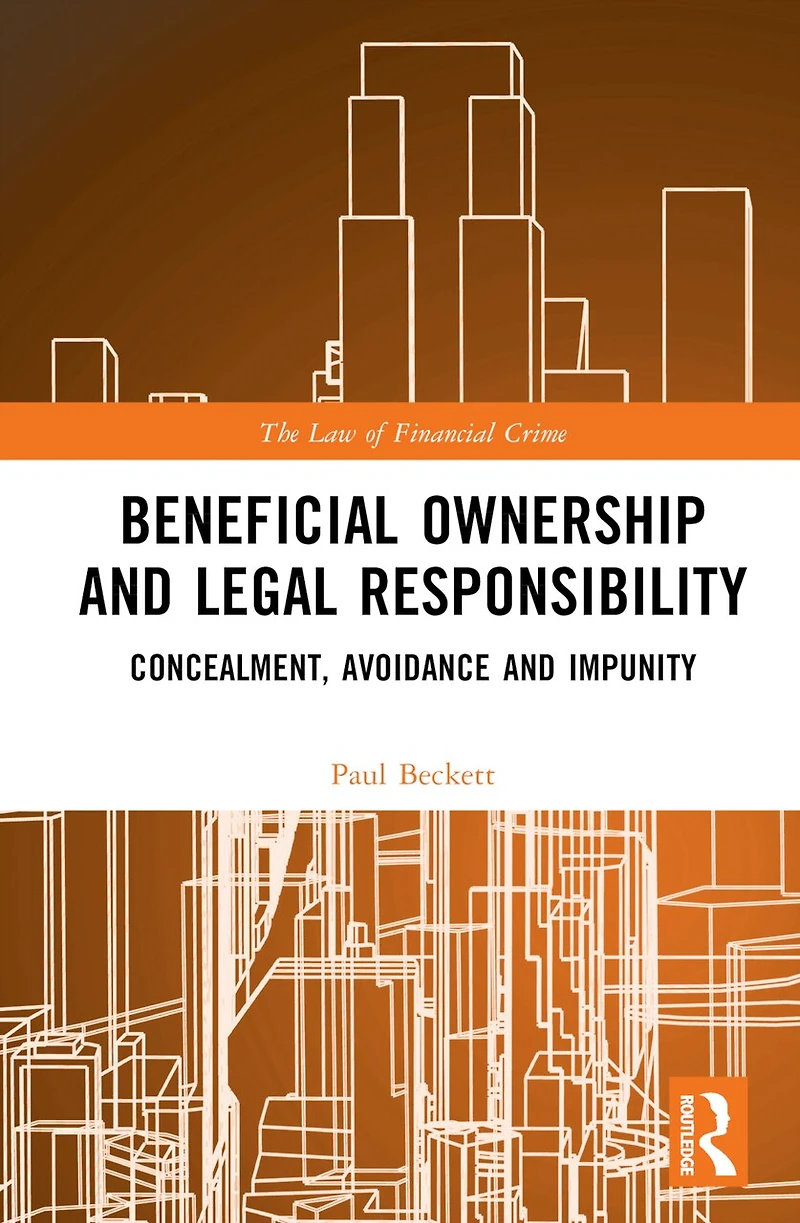
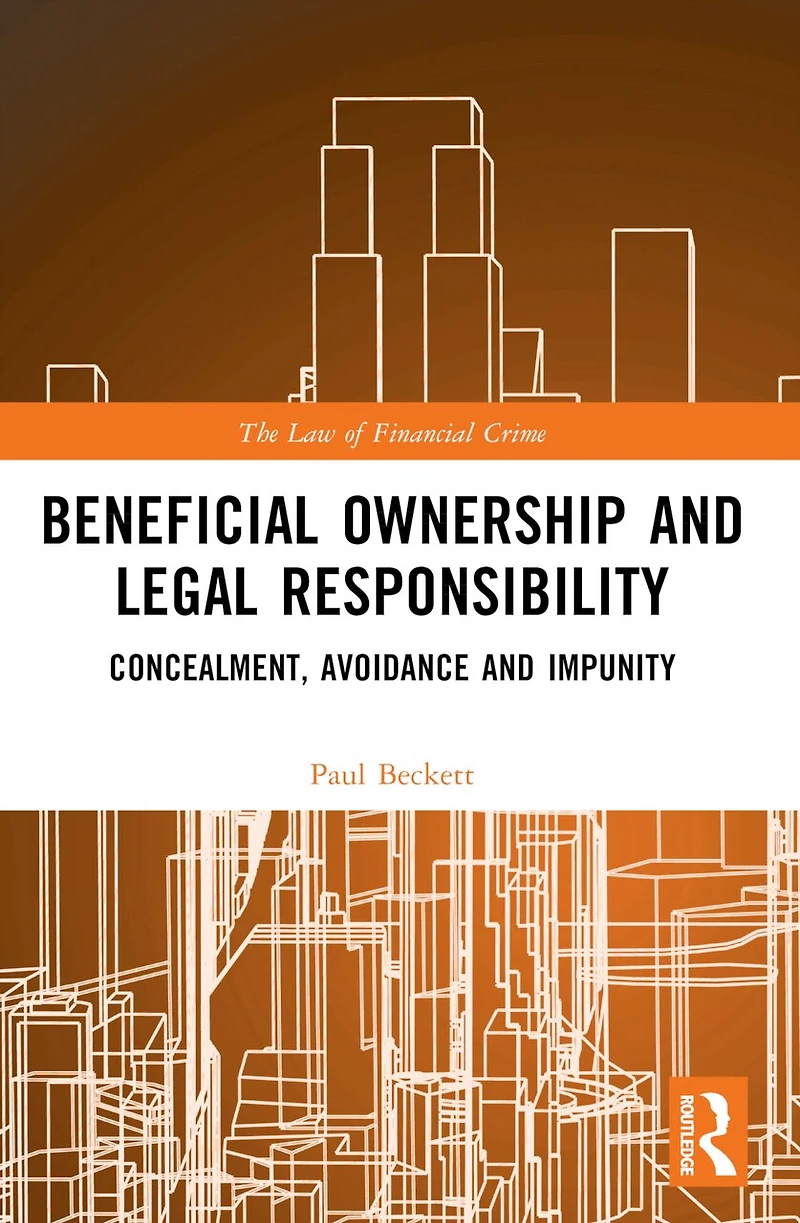
Beneficial Ownership and Legal Responsibility: Concealment, Avoidance Impunity
Current price: $355.50

Beneficial Ownership and Legal Responsibility: Concealment, Avoidance Impunity
Current price: $355.50
Loading Inventory...
Size: Hardcover
*Product information may vary - to confirm product availability, pricing, shipping and return information please contact Indigo
This book explores the connection between ownership, on one hand, and immunity from legal responsibility, on the other. It presents a definition of the concept of beneficial ownership, the reasons for its concealment, and failures in international legal structures and arrangements. Globally, states confront complex crimes, such as corruption, tax evasion, doctrinal fanaticism, slave trafficking, terrorism and, war. At the personal level, men and women may seek to escape their creditors, to disinherit unwanted heirs, to cheat divorced partners, and to appear straightforward when this is not the case. The response of politicians and regulators has been a global state initiative to identify beneficial owners via public registers to promote transparency and accountability. Yet, at the same time, there is an equally powerful global and personal counter-initiative to promote beneficial ownership avoidance. Where there is no owner, there is no accountability. This book examines what "ownership" means in legal terms across multiple legal systems and explains why singling out ownership as being pivotal to state and personal accountability is a strategy both flawed and disingenuous. It is argued that an apparent lack of political will coupled with shape-shifting definitions of ownership have resulted in tokenism. Particular attention is paid to those "orphan" structures which have evolved from standard models, or which have been designed for the purpose in each case of facilitating ownership concealment and avoidance. The author explains how the virtual world of the blockchain, crypto-assets and cryptocurrency, and virtual entities such as the Decentralised Autonomous Organisations (DAOs), all of which elude legal classification, have opened a new world of possibilities. Applicable across all jurisdictions and legal systems, the book will be a valuable resource for academics, researchers, and policy-makers working in the areas of financial crime, regulation, compliance, business, and accountancy.
This book explores the connection between ownership, on one hand, and immunity from legal responsibility, on the other. It presents a definition of the concept of beneficial ownership, the reasons for its concealment, and failures in international legal structures and arrangements. Globally, states confront complex crimes, such as corruption, tax evasion, doctrinal fanaticism, slave trafficking, terrorism and, war. At the personal level, men and women may seek to escape their creditors, to disinherit unwanted heirs, to cheat divorced partners, and to appear straightforward when this is not the case. The response of politicians and regulators has been a global state initiative to identify beneficial owners via public registers to promote transparency and accountability. Yet, at the same time, there is an equally powerful global and personal counter-initiative to promote beneficial ownership avoidance. Where there is no owner, there is no accountability. This book examines what "ownership" means in legal terms across multiple legal systems and explains why singling out ownership as being pivotal to state and personal accountability is a strategy both flawed and disingenuous. It is argued that an apparent lack of political will coupled with shape-shifting definitions of ownership have resulted in tokenism. Particular attention is paid to those "orphan" structures which have evolved from standard models, or which have been designed for the purpose in each case of facilitating ownership concealment and avoidance. The author explains how the virtual world of the blockchain, crypto-assets and cryptocurrency, and virtual entities such as the Decentralised Autonomous Organisations (DAOs), all of which elude legal classification, have opened a new world of possibilities. Applicable across all jurisdictions and legal systems, the book will be a valuable resource for academics, researchers, and policy-makers working in the areas of financial crime, regulation, compliance, business, and accountancy.
You May Also Like







More About Indigo at Erin Mills Town Centre
The largest book retailer in Canada also offers toys, music, home décor, gifts and lifestyle products. What's Inside...Books, Magazines, CD’s and DVD’s, Toys and Gifts, Home Accents, Electronics, Baby’s and Children’s Section, Bath and Body, Kitchen and Bedroom, Stationary Located outside in the exterior plaza.
5015 Glen Erin Dr, Mississauga, ON L5M 0R7, Canada
Find Indigo at Erin Mills Town Centre in Mississauga ON
Visit Indigo at Erin Mills Town Centre in Mississauga ON