

GIVE THE PERFECT GIFT
Erin Mills Town Centre Gift Cards are the perfect choice for your gift giving needs.Purchase gift cards at kiosks near the food court or centre court, at Guest Services, or click below to purchase online.PURCHASE HEREHome
Between a Rock and a Hard Place: A Somali boy growing up in Minnesota: Family, Schooling and Identity
Indigo
Loading Inventory...
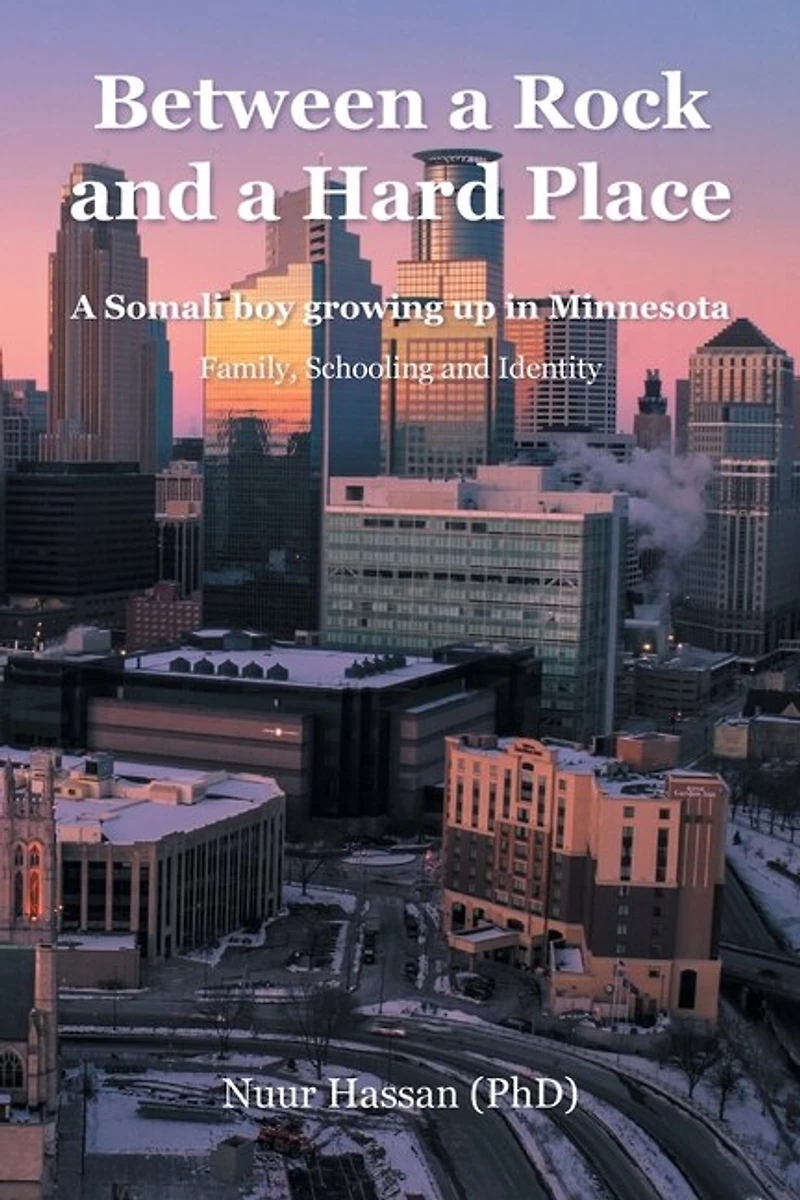
Between a Rock and a Hard Place: A Somali boy growing up in Minnesota: Family, Schooling and Identity
Current price: $23.91

Between a Rock and a Hard Place: A Somali boy growing up in Minnesota: Family, Schooling and Identity
Current price: $23.91
Loading Inventory...
Size: Paperback
*Product information may vary - to confirm product availability, pricing, shipping and return information please contact Indigo
My relationship with Minnesota and Somali Minnesotans dates back to 2008 when I first visited the state as a post-graduate student to work on an academic paper. My first encounter with the Somali immigrant community in Minnesota sparked a fascination with their resilience and capacity for enterprise. Despite the harsh weather, language and cultural challenges, Somalis were thriving in their adopted home. I then visited Minnesota in 2018, ten years after my first visit; this time, the progress had multiplied; the immigrant community was succeeding in business, invested in the American political system, and many were homeowners in the suburban areas of the state. However, one problem facing the community was that US-born children, mainly boys, were struggling. The majority of Somali Minnesotan-born boys do not do well at school. A considerable number are in the criminal justice system as a result of becoming involved in gang-related criminal activity, which tends to lead to a high level of untimely death and incarceration. These gang-related crimes do not originate outside the Somali community; they involve Somali gang groups fighting each other over trivial issues. Between 2018 and 2019, it was estimated that 10 boys of Somali heritage were killed in gang-related violence. In addition to gang violence, substance abuse has risen among Somali youth in Minnesota, resulting in multiple deaths. From the outside, it is easy to deplore the situation and become frustrated about how Minnesota-born Somali boys have fallen short of the expectations of their immigrant parents. However, the question that needs to be answered is why boys have fallen short in this way? This book is an attempt to provide such an answer. The book draws on qualitative research conducted between August 2018 and August 2019, exploring the experiences of boys of Somali heritage between 15 and 18 years old in the State of Minnesota, USA.
My relationship with Minnesota and Somali Minnesotans dates back to 2008 when I first visited the state as a post-graduate student to work on an academic paper. My first encounter with the Somali immigrant community in Minnesota sparked a fascination with their resilience and capacity for enterprise. Despite the harsh weather, language and cultural challenges, Somalis were thriving in their adopted home. I then visited Minnesota in 2018, ten years after my first visit; this time, the progress had multiplied; the immigrant community was succeeding in business, invested in the American political system, and many were homeowners in the suburban areas of the state. However, one problem facing the community was that US-born children, mainly boys, were struggling. The majority of Somali Minnesotan-born boys do not do well at school. A considerable number are in the criminal justice system as a result of becoming involved in gang-related criminal activity, which tends to lead to a high level of untimely death and incarceration. These gang-related crimes do not originate outside the Somali community; they involve Somali gang groups fighting each other over trivial issues. Between 2018 and 2019, it was estimated that 10 boys of Somali heritage were killed in gang-related violence. In addition to gang violence, substance abuse has risen among Somali youth in Minnesota, resulting in multiple deaths. From the outside, it is easy to deplore the situation and become frustrated about how Minnesota-born Somali boys have fallen short of the expectations of their immigrant parents. However, the question that needs to be answered is why boys have fallen short in this way? This book is an attempt to provide such an answer. The book draws on qualitative research conducted between August 2018 and August 2019, exploring the experiences of boys of Somali heritage between 15 and 18 years old in the State of Minnesota, USA.
You May Also Like















More About Indigo at Erin Mills Town Centre
The largest book retailer in Canada also offers toys, music, home décor, gifts and lifestyle products. What's Inside...Books, Magazines, CD’s and DVD’s, Toys and Gifts, Home Accents, Electronics, Baby’s and Children’s Section, Bath and Body, Kitchen and Bedroom, Stationary Located outside in the exterior plaza.
5015 Glen Erin Dr, Mississauga, ON L5M 0R7, Canada
Find Indigo at Erin Mills Town Centre in Mississauga ON
Visit Indigo at Erin Mills Town Centre in Mississauga ON