

GIVE THE PERFECT GIFT
Erin Mills Town Centre Gift Cards are the perfect choice for your gift giving needs.Purchase gift cards at kiosks near the food court or centre court, at Guest Services, or click below to purchase online.PURCHASE HEREHome
Between Diplomacy and Non-Diplomacy: Foreign relations of Kurdistan-Iraq Palestine
Indigo
Loading Inventory...
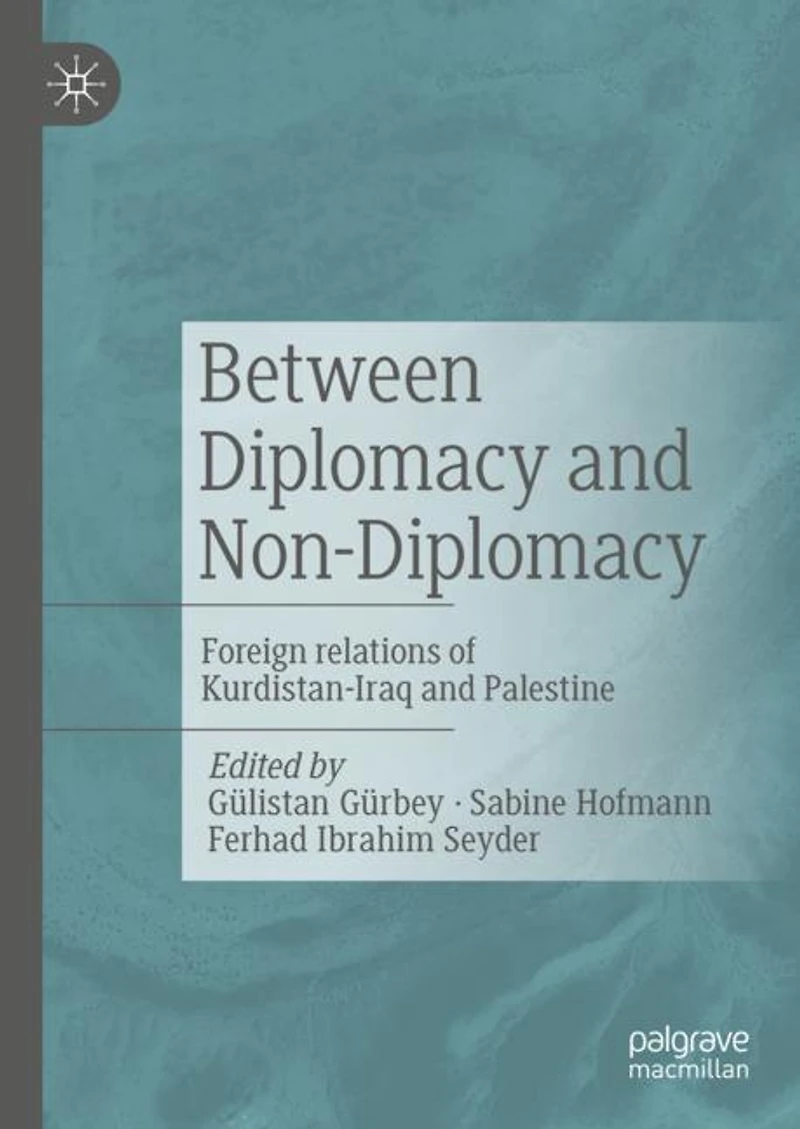
Between Diplomacy and Non-Diplomacy: Foreign relations of Kurdistan-Iraq Palestine
Current price: $233.95

Between Diplomacy and Non-Diplomacy: Foreign relations of Kurdistan-Iraq Palestine
Current price: $233.95
Loading Inventory...
Size: Hardcover
*Product information may vary - to confirm product availability, pricing, shipping and return information please contact Indigo
This book compares the involvement of Kurdistan-Iraq and Palestine (Palestinian Territory of the West Bank and Gaza Strip) in international relations from the viewpoint of their practical performance. In particular, it provides an overview over the current Kurdish and Palestinian paradiplomatic activities and their practical performance in terms of their capabilities, capacities and practical achievements. The contributing authors analyze the evolution of paradiplomacy, the domestic legal and institutional framework, the goals, instruments, and capabilities of Kurdish and Palestinian paradiplomacy, and selected foreign relations. The book identifies the similarities and differences between the paradiplomacy of Kurdistan-Iraq and Palestine with regard to a set of guidelines: causes, legal foundations, institutionalization, predominant motives, practical implementation, and outcomes of paradiplomacy. It provides empirical explanations about how and why Kurdistan-Iraq and Palestine develop and practice paradiplomacy and contributes to a better understanding of Kurdistan-Iraq's and Palestine's involvement in international affairs and their activities.
This book compares the involvement of Kurdistan-Iraq and Palestine (Palestinian Territory of the West Bank and Gaza Strip) in international relations from the viewpoint of their practical performance. In particular, it provides an overview over the current Kurdish and Palestinian paradiplomatic activities and their practical performance in terms of their capabilities, capacities and practical achievements. The contributing authors analyze the evolution of paradiplomacy, the domestic legal and institutional framework, the goals, instruments, and capabilities of Kurdish and Palestinian paradiplomacy, and selected foreign relations. The book identifies the similarities and differences between the paradiplomacy of Kurdistan-Iraq and Palestine with regard to a set of guidelines: causes, legal foundations, institutionalization, predominant motives, practical implementation, and outcomes of paradiplomacy. It provides empirical explanations about how and why Kurdistan-Iraq and Palestine develop and practice paradiplomacy and contributes to a better understanding of Kurdistan-Iraq's and Palestine's involvement in international affairs and their activities.
You May Also Like









More About Indigo at Erin Mills Town Centre
The largest book retailer in Canada also offers toys, music, home décor, gifts and lifestyle products. What's Inside...Books, Magazines, CD’s and DVD’s, Toys and Gifts, Home Accents, Electronics, Baby’s and Children’s Section, Bath and Body, Kitchen and Bedroom, Stationary Located outside in the exterior plaza.
5015 Glen Erin Dr, Mississauga, ON L5M 0R7, Canada
Find Indigo at Erin Mills Town Centre in Mississauga ON
Visit Indigo at Erin Mills Town Centre in Mississauga ON