

GIVE THE PERFECT GIFT
Erin Mills Town Centre Gift Cards are the perfect choice for your gift giving needs.Purchase gift cards at kiosks near the food court or centre court, at Guest Services, or click below to purchase online.PURCHASE HEREHome
Between Forbearance and Audacity: The European Court of Human Rights and the Norm against Torture
Indigo
Loading Inventory...
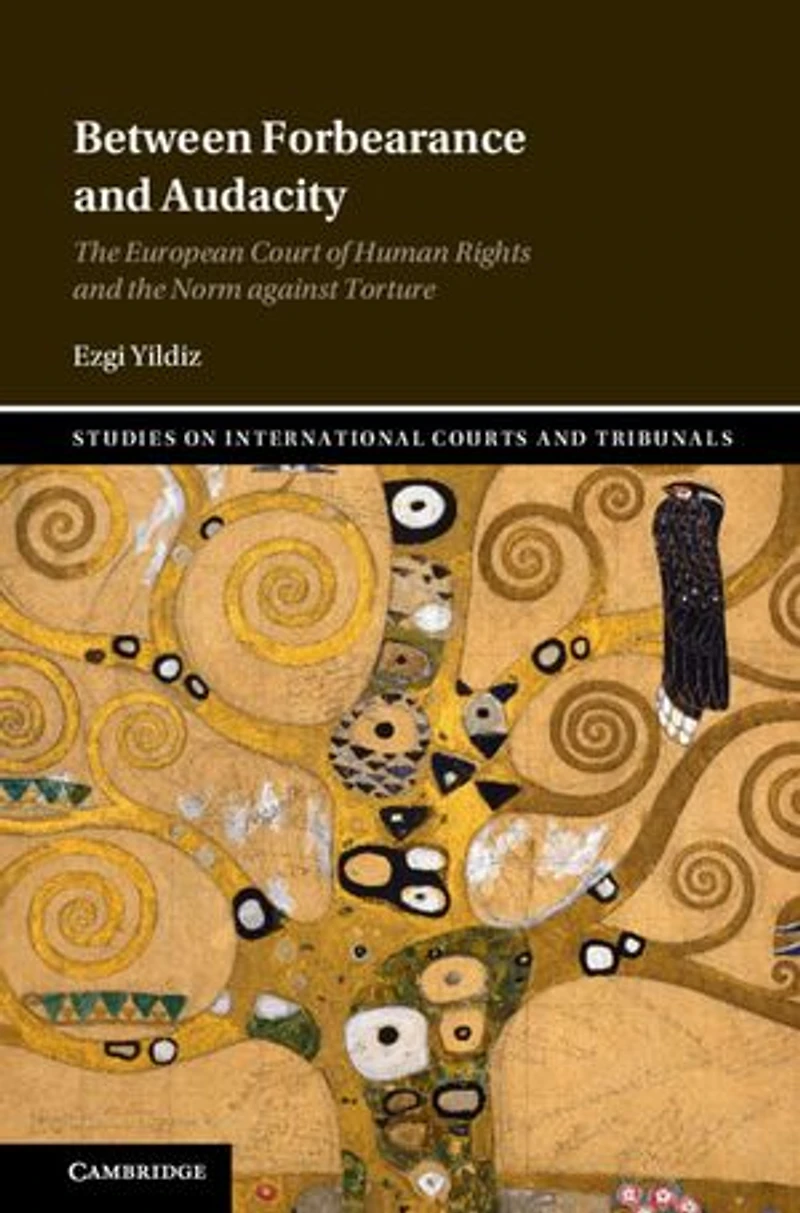
Between Forbearance and Audacity: The European Court of Human Rights and the Norm against Torture
Current price: $36.79
Original price: $45.95

Between Forbearance and Audacity: The European Court of Human Rights and the Norm against Torture
Current price: $36.79
Original price: $45.95
Loading Inventory...
Size: Kobo eBook
*Product information may vary - to confirm product availability, pricing, shipping and return information please contact Indigo
When international courts are given sweeping powers, why would they ever refuse to use them? The book explains how and when courts employ strategies for institutional survival and resilience: forbearance and audacity, which help them adjust their sovereignty costs to pre-empt and mitigate backlash and political pushback. By systematically analysing almost 2,300 judgements from the European Court of Human Rights from 1967–2016, Ezgi Yildiz traces how these strategies shaped the norm against torture and inhumane or degrading treatment. With expert interviews and a nuanced combination of social science and legal methods, Yildiz innovatively demonstrates what the norm entails, and when and how its contents changed over time. Exploring issues central to public international law and international relations, this interdisciplinary study makes a timely intervention in the debate on international courts, international norms, and legal change. This book is available as Open Access on Cambridge Core.
When international courts are given sweeping powers, why would they ever refuse to use them? The book explains how and when courts employ strategies for institutional survival and resilience: forbearance and audacity, which help them adjust their sovereignty costs to pre-empt and mitigate backlash and political pushback. By systematically analysing almost 2,300 judgements from the European Court of Human Rights from 1967–2016, Ezgi Yildiz traces how these strategies shaped the norm against torture and inhumane or degrading treatment. With expert interviews and a nuanced combination of social science and legal methods, Yildiz innovatively demonstrates what the norm entails, and when and how its contents changed over time. Exploring issues central to public international law and international relations, this interdisciplinary study makes a timely intervention in the debate on international courts, international norms, and legal change. This book is available as Open Access on Cambridge Core.
You May Also Like














More About Indigo at Erin Mills Town Centre
The largest book retailer in Canada also offers toys, music, home décor, gifts and lifestyle products. What's Inside...Books, Magazines, CD’s and DVD’s, Toys and Gifts, Home Accents, Electronics, Baby’s and Children’s Section, Bath and Body, Kitchen and Bedroom, Stationary Located outside in the exterior plaza.
5015 Glen Erin Dr, Mississauga, ON L5M 0R7, Canada
Find Indigo at Erin Mills Town Centre in Mississauga ON
Visit Indigo at Erin Mills Town Centre in Mississauga ON