

GIVE THE PERFECT GIFT
Erin Mills Town Centre Gift Cards are the perfect choice for your gift giving needs.Purchase gift cards at kiosks near the food court or centre court, at Guest Services, or click below to purchase online.PURCHASE HEREHome
Between Rebels and Rulers the Early Islamicate World: Power, Contention Identity
Indigo
Loading Inventory...
Between Rebels and Rulers the Early Islamicate World: Power, Contention Identity
Current price: $168.99

Between Rebels and Rulers the Early Islamicate World: Power, Contention Identity
Current price: $168.99
Loading Inventory...
Size: Hardcover
*Product information may vary - to confirm product availability, pricing, shipping and return information please contact Indigo
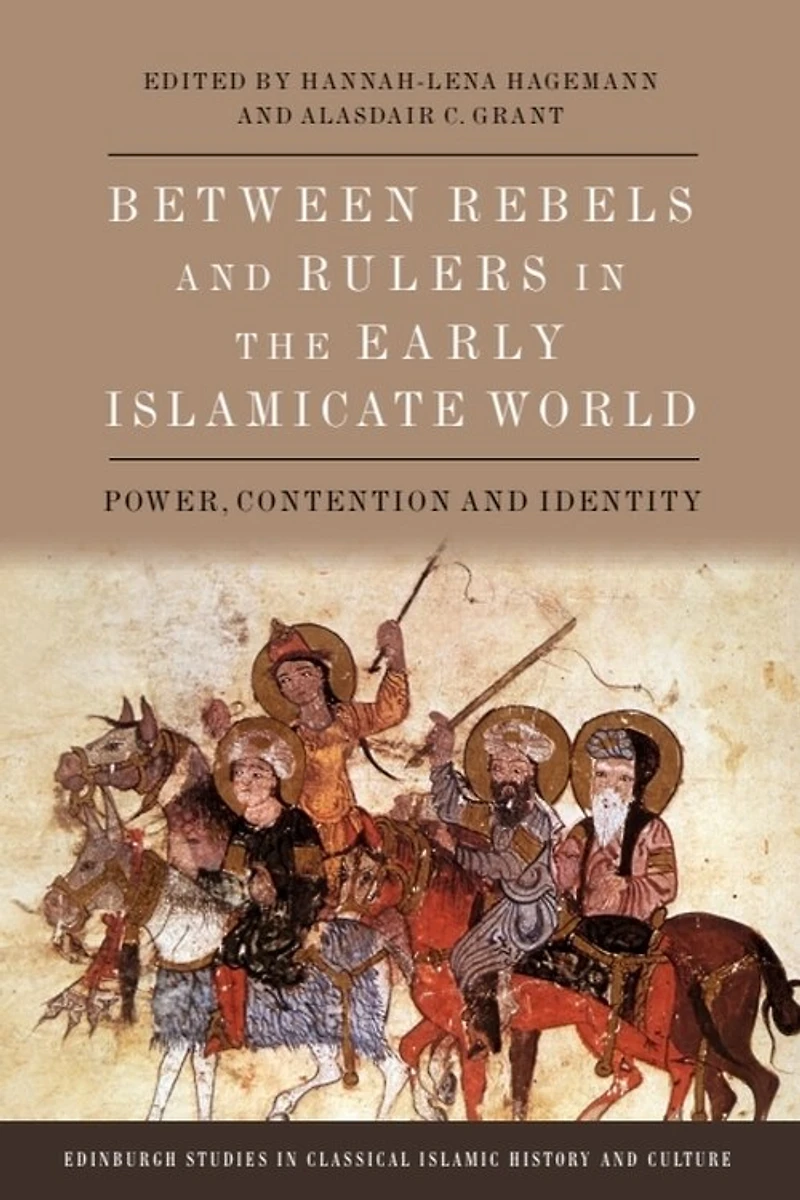
Between Rebels and Rulers in the Early Islamicate World offers the first dedicated examination of the phenomenon of rebellion across the early Islamicate world. It combines discourse analysis with a return to long-neglected social-historical analysis in its study of contention and the ways in which it was narrated and enacted. These approaches are pursued through fourteen case studies, ranging geographically from North Africa to Central Asia and chronologically from the sixth to tenth centuries CE. These diverse examples reveal several patterns: First, rebellion operated as a normative means of negotiating power and obtaining justice. Second, the main constituencies of rebellion were local elites, both Muslims and non-Muslims, Arabs and members of pre-conquest societies, separately or together. Accordingly, this volume challenges the ‘othering’ of rebels found in written sources and reflected in scholarship and reframes them and their discourses as integral parts of an imperial system. Third, social ties provided a framework for the mobilisation of rebellious constituencies and the resolution of conflict.
Between Rebels and Rulers in the Early Islamicate World offers the first dedicated examination of the phenomenon of rebellion across the early Islamicate world. It combines discourse analysis with a return to long-neglected social-historical analysis in its study of contention and the ways in which it was narrated and enacted. These approaches are pursued through fourteen case studies, ranging geographically from North Africa to Central Asia and chronologically from the sixth to tenth centuries CE. These diverse examples reveal several patterns: First, rebellion operated as a normative means of negotiating power and obtaining justice. Second, the main constituencies of rebellion were local elites, both Muslims and non-Muslims, Arabs and members of pre-conquest societies, separately or together. Accordingly, this volume challenges the ‘othering’ of rebels found in written sources and reflected in scholarship and reframes them and their discourses as integral parts of an imperial system. Third, social ties provided a framework for the mobilisation of rebellious constituencies and the resolution of conflict.
You May Also Like










More About Indigo at Erin Mills Town Centre
The largest book retailer in Canada also offers toys, music, home décor, gifts and lifestyle products. What's Inside...Books, Magazines, CD’s and DVD’s, Toys and Gifts, Home Accents, Electronics, Baby’s and Children’s Section, Bath and Body, Kitchen and Bedroom, Stationary Located outside in the exterior plaza.
5015 Glen Erin Dr, Mississauga, ON L5M 0R7, Canada
Find Indigo at Erin Mills Town Centre in Mississauga ON
Visit Indigo at Erin Mills Town Centre in Mississauga ON