

GIVE THE PERFECT GIFT
Erin Mills Town Centre Gift Cards are the perfect choice for your gift giving needs.Purchase gift cards at kiosks near the food court or centre court, at Guest Services, or click below to purchase online.PURCHASE HEREHome
Between the Lines: Interpreting Welfare Rights
Indigo
Loading Inventory...
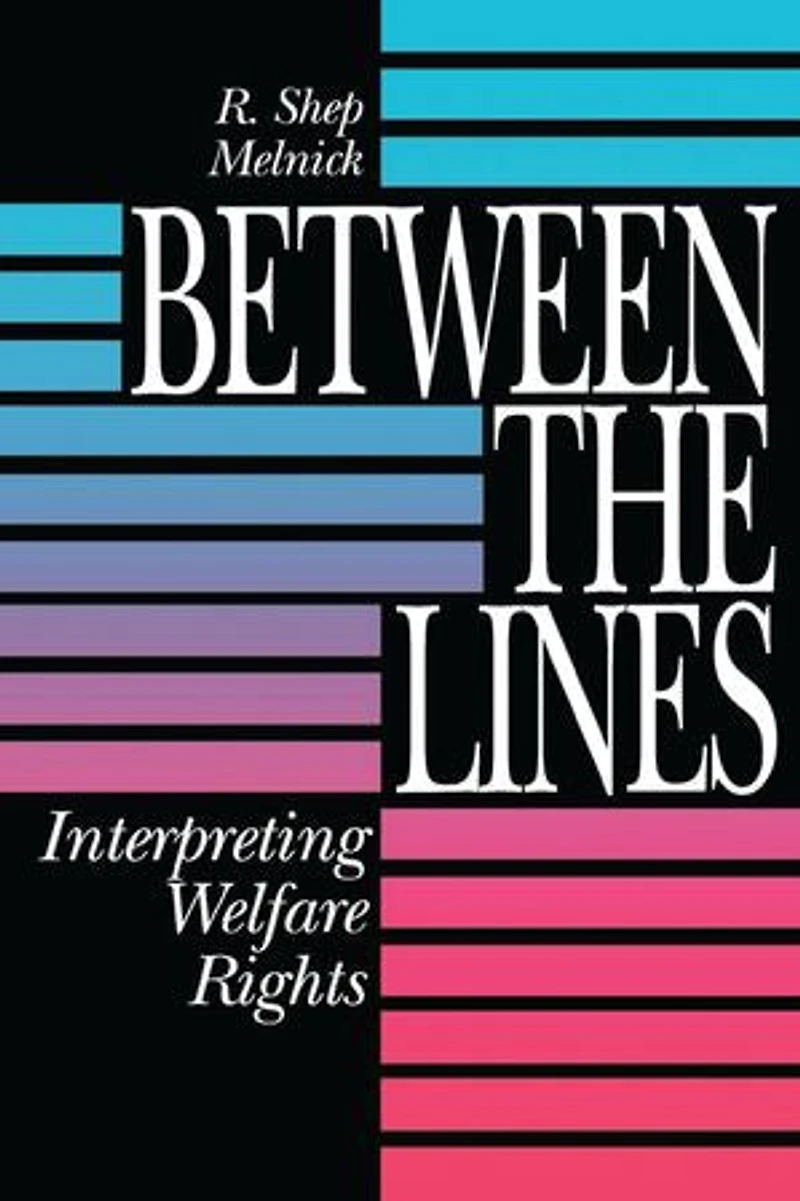
Between the Lines: Interpreting Welfare Rights
Current price: $29.49
Original price: $36.85

Between the Lines: Interpreting Welfare Rights
Current price: $29.49
Original price: $36.85
Loading Inventory...
Size: Kobo eBook
*Product information may vary - to confirm product availability, pricing, shipping and return information please contact Indigo
Judicial interpretation of federal statutes has often been at the center of political controversy in recent years. In fact, it would be difficult to find a major domestic policy area in which statutory interpretation by the federal courts has not played a significant role in shaping the activities of government. In most important cases, judges base their interpretation not on the letter of the law, but on their reading of its history, purpose, and spirit. What judges discover between the lines of statutes often has major policy consequences.
This book examines how statutory interpretation has affected the development of three programs: Aid to Families with Dependent Children, education for the handicapped, and food stamps. It explores how these decisions have changed state and national policies and how other institutions-especially Congress-have reacted to them. Although these three programs differ in several important ways, in each instance court action has expanded program benefits and increased federal control over state and local governments.
R. Shep Melnick ties trends in statutory interpretation to broader policy developments, including the expansion of the agenda of national government, the persistence of divided government, and the resurgence and decentralization of Congress. He demonstrates that Congress frequently modifies or overturns court rulings, and he explains why statutory interpretation became so controversial in the 1980s.
Between the Lines also explores the understanding of welfare rights that has guided the development of welfare policy over the past fifty years. What basic beliefs about the welfare state underlie court decisions interpreting these statutes? To what extent do members of Congress share these views? How have the assumptions of judges and members of Congress changed over time? These are some of the questions addressed in this detailed study of American welfare policy.
Judicial interpretation of federal statutes has often been at the center of political controversy in recent years. In fact, it would be difficult to find a major domestic policy area in which statutory interpretation by the federal courts has not played a significant role in shaping the activities of government. In most important cases, judges base their interpretation not on the letter of the law, but on their reading of its history, purpose, and spirit. What judges discover between the lines of statutes often has major policy consequences.
This book examines how statutory interpretation has affected the development of three programs: Aid to Families with Dependent Children, education for the handicapped, and food stamps. It explores how these decisions have changed state and national policies and how other institutions-especially Congress-have reacted to them. Although these three programs differ in several important ways, in each instance court action has expanded program benefits and increased federal control over state and local governments.
R. Shep Melnick ties trends in statutory interpretation to broader policy developments, including the expansion of the agenda of national government, the persistence of divided government, and the resurgence and decentralization of Congress. He demonstrates that Congress frequently modifies or overturns court rulings, and he explains why statutory interpretation became so controversial in the 1980s.
Between the Lines also explores the understanding of welfare rights that has guided the development of welfare policy over the past fifty years. What basic beliefs about the welfare state underlie court decisions interpreting these statutes? To what extent do members of Congress share these views? How have the assumptions of judges and members of Congress changed over time? These are some of the questions addressed in this detailed study of American welfare policy.
You May Also Like











More About Indigo at Erin Mills Town Centre
The largest book retailer in Canada also offers toys, music, home décor, gifts and lifestyle products. What's Inside...Books, Magazines, CD’s and DVD’s, Toys and Gifts, Home Accents, Electronics, Baby’s and Children’s Section, Bath and Body, Kitchen and Bedroom, Stationary Located outside in the exterior plaza.
5015 Glen Erin Dr, Mississauga, ON L5M 0R7, Canada
Find Indigo at Erin Mills Town Centre in Mississauga ON
Visit Indigo at Erin Mills Town Centre in Mississauga ON