

GIVE THE PERFECT GIFT
Erin Mills Town Centre Gift Cards are the perfect choice for your gift giving needs.Purchase gift cards at kiosks near the food court or centre court, at Guest Services, or click below to purchase online.PURCHASE HEREHome
Between War and the State: Civil Society South Vietnam, 1954–1975
Indigo
Loading Inventory...
Between War and the State: Civil Society South Vietnam, 1954–1975
Current price: $128.95

Between War and the State: Civil Society South Vietnam, 1954–1975
Current price: $128.95
Loading Inventory...
Size: Hardcover (2022)
*Product information may vary - to confirm product availability, pricing, shipping and return information please contact Indigo
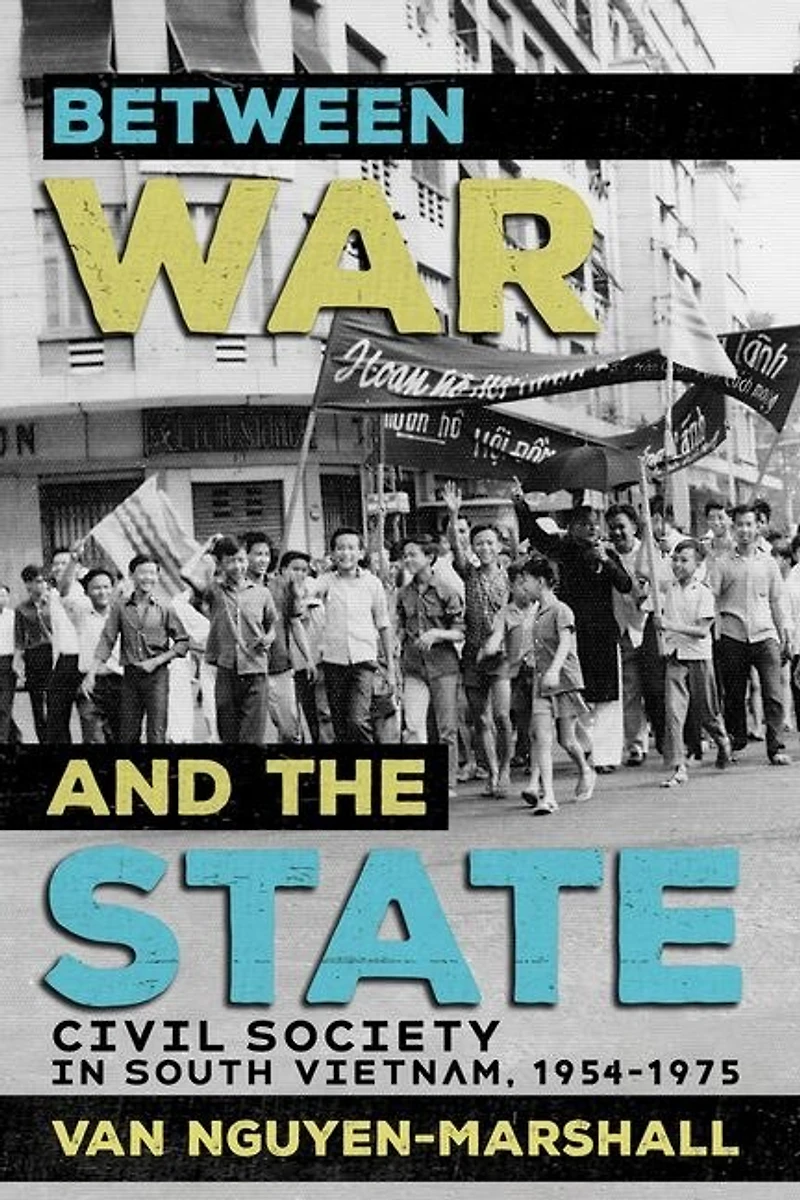
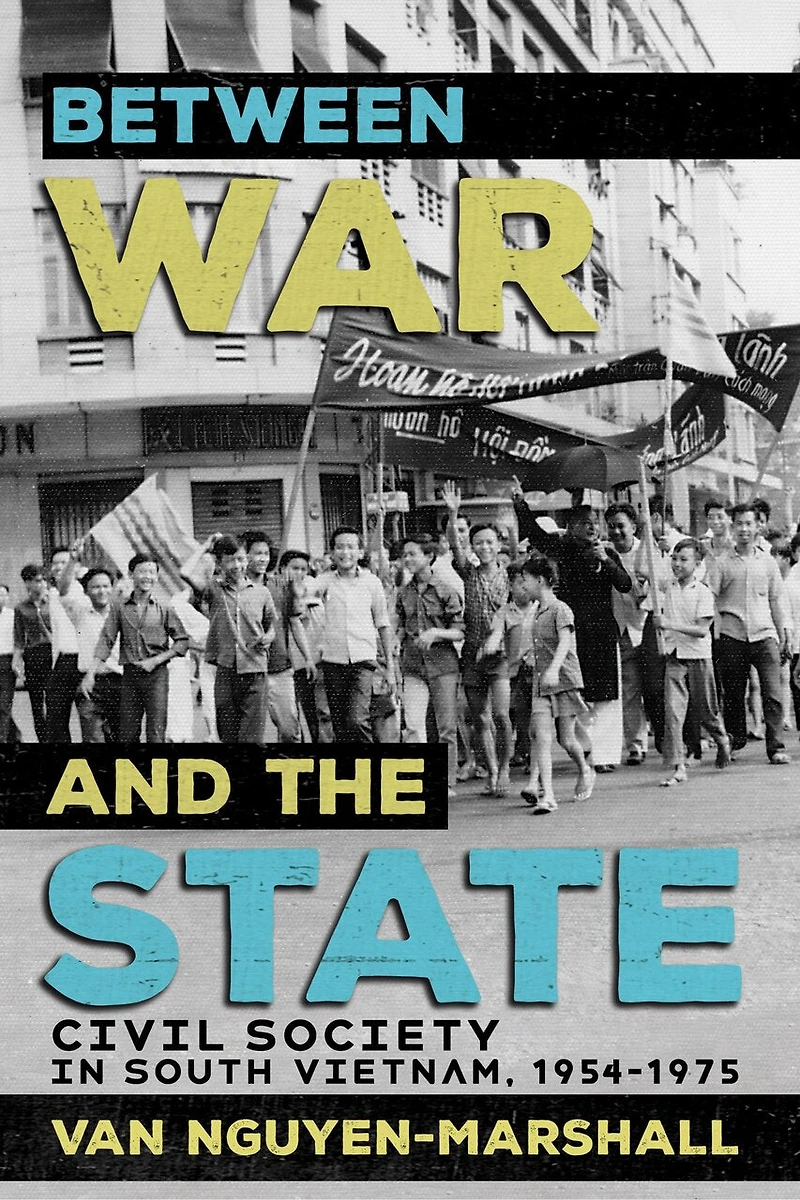
In Between War and the State , Van Nguyen-Marshall examines an array of voluntary activities, including mutual-help, professional, charitable, community development, student, women's, and rights organizations active in South Vietnam from 1954 to 1975. By bringing focus to the public lives of South Vietnamese people, Between War and the State challenges persistent stereotypes of South Vietnam as a place without society or agency. Such robust associational life underscores how an active civil society survived despite difficulties imposed by the war, government restrictions, economic hardship, and external political forces. These competing political forces, which included the United States, Western aid agencies, and Vietnamese communist agents, created a highly competitive arena wherein the South Vietnamese state did not have a monopoly on persuasive or coercive power. To maintain its influence, the state sometimes needed to accommodate groups and limit its use of violence. Civil society participants in South Vietnam leveraged their social connections, made alliances, appealed to the domestic and international public, and used street protests to voice their concerns, secure their interests, and carry out their activities.
In Between War and the State , Van Nguyen-Marshall examines an array of voluntary activities, including mutual-help, professional, charitable, community development, student, women's, and rights organizations active in South Vietnam from 1954 to 1975. By bringing focus to the public lives of South Vietnamese people, Between War and the State challenges persistent stereotypes of South Vietnam as a place without society or agency. Such robust associational life underscores how an active civil society survived despite difficulties imposed by the war, government restrictions, economic hardship, and external political forces. These competing political forces, which included the United States, Western aid agencies, and Vietnamese communist agents, created a highly competitive arena wherein the South Vietnamese state did not have a monopoly on persuasive or coercive power. To maintain its influence, the state sometimes needed to accommodate groups and limit its use of violence. Civil society participants in South Vietnam leveraged their social connections, made alliances, appealed to the domestic and international public, and used street protests to voice their concerns, secure their interests, and carry out their activities.
You May Also Like







More About Indigo at Erin Mills Town Centre
The largest book retailer in Canada also offers toys, music, home décor, gifts and lifestyle products. What's Inside...Books, Magazines, CD’s and DVD’s, Toys and Gifts, Home Accents, Electronics, Baby’s and Children’s Section, Bath and Body, Kitchen and Bedroom, Stationary Located outside in the exterior plaza.
5015 Glen Erin Dr, Mississauga, ON L5M 0R7, Canada
Find Indigo at Erin Mills Town Centre in Mississauga ON
Visit Indigo at Erin Mills Town Centre in Mississauga ON