

GIVE THE PERFECT GIFT
Erin Mills Town Centre Gift Cards are the perfect choice for your gift giving needs.Purchase gift cards at kiosks near the food court or centre court, at Guest Services, or click below to purchase online.PURCHASE HEREHome
Beyond Origins: Rethinking Founding a Time of Constitutional Democracy
Indigo
Loading Inventory...
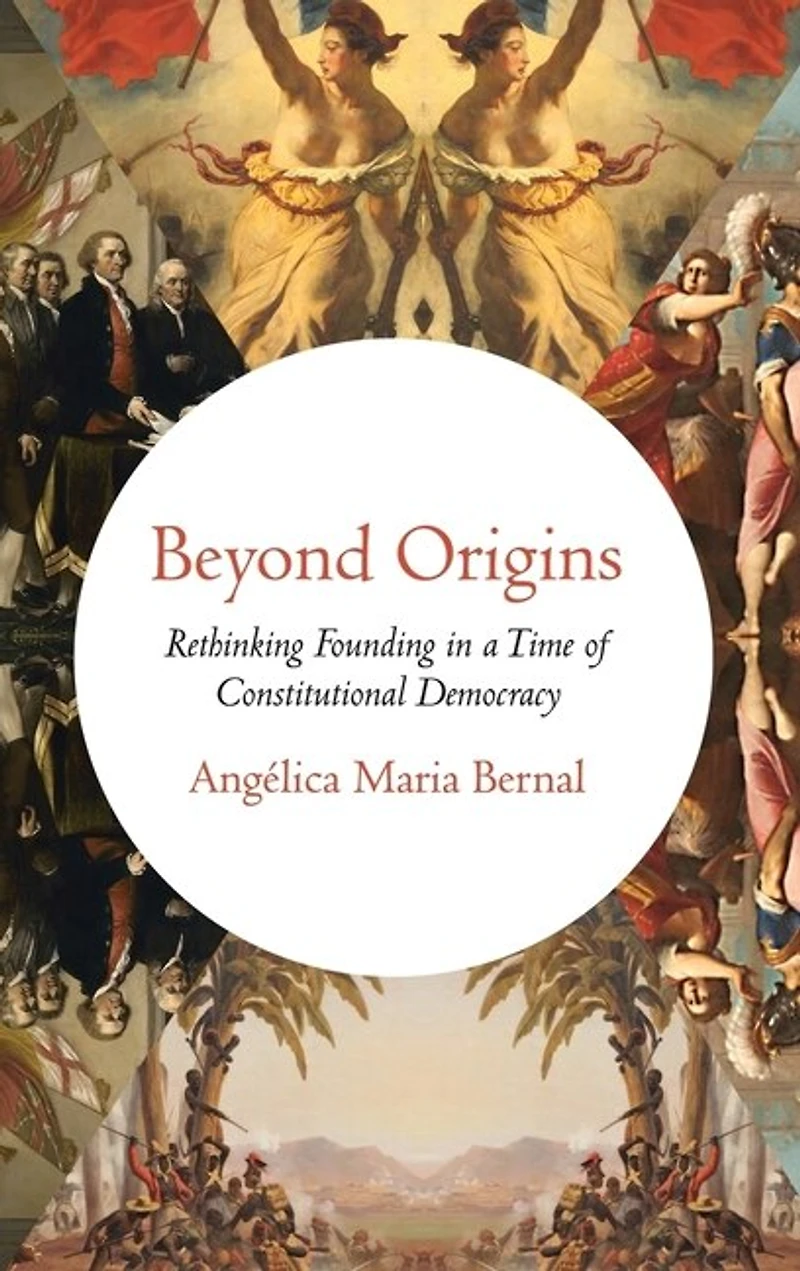
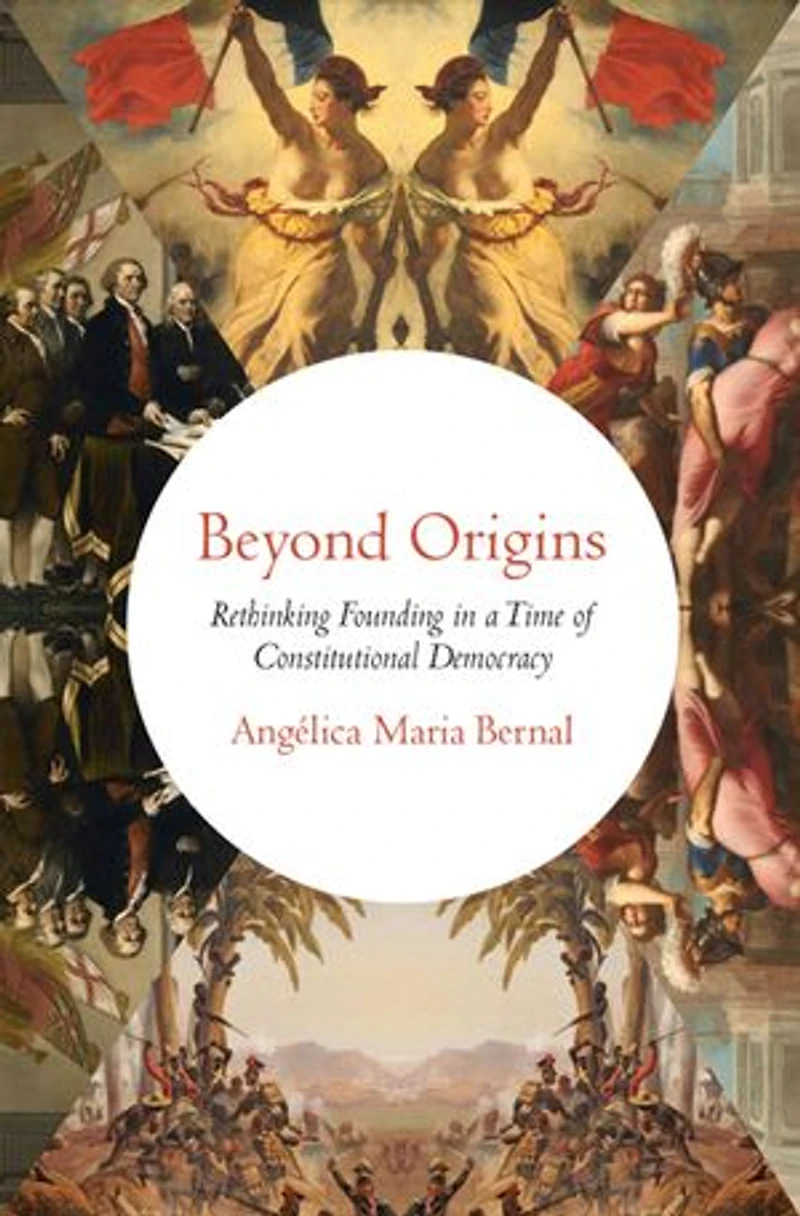
Beyond Origins: Rethinking Founding a Time of Constitutional Democracy
Current price: $71.50

Beyond Origins: Rethinking Founding a Time of Constitutional Democracy
Current price: $71.50
Loading Inventory...
Size: Hardcover
*Product information may vary - to confirm product availability, pricing, shipping and return information please contact Indigo
The foundings of constitutional democracies are commonly traced to singular moments. In turn, these moments of national origin are characterized as radical political innovations, notable for their civic unity, perfect legitimacy and binding authority. In constitutional democracies, this common view is particularly attractive, with original founding events, actors, and ideals continuously evoked in everyday politics to legitimize state authority and unify citizens. Angélica Maria Bernal challenges this view of foundings, however, explaining that it is ultimately dangerous, misguided, and unsustainable.
Beyond Origins argues that the ascription of a universal authority to original founding events is problematic because it limits our understanding of subsequent foundational changes, political transformation and innovation. This singular view also confounds our ability to account for all of the actors and venues through which foundation-building and constitutional transformation occurs. Because such understandings of national foundings obscure the many power struggles at work in them, these origin stories are invalid.
In the wake of these limited views of national founding, Bernal develops an alternate approach: "founding beyond origins." Rather than asserting that founding events are authoritatively settled and relegated to history, this framework redefines foundings as contentious, uncertain, and incomplete. Indeed, the book looks at a wide variety of contexts - early imperial Rome; revolutionary Haiti and France; the mid-20th century, racially-segregated United States; and contemporary Latin America - to reconsider political foundings as a contestatory and ongoing dimension of political life. Bridging classic and contemporary political and constitutional theory with historical readings, Bernal reorients understandings of political foundings, arguing that it is only through context-specific and pragmatist understandings of democratic origins that we can realize the potential for radical democratic change.
The foundings of constitutional democracies are commonly traced to singular moments. In turn, these moments of national origin are characterized as radical political innovations, notable for their civic unity, perfect legitimacy and binding authority. In constitutional democracies, this common view is particularly attractive, with original founding events, actors, and ideals continuously evoked in everyday politics to legitimize state authority and unify citizens. Angélica Maria Bernal challenges this view of foundings, however, explaining that it is ultimately dangerous, misguided, and unsustainable.
Beyond Origins argues that the ascription of a universal authority to original founding events is problematic because it limits our understanding of subsequent foundational changes, political transformation and innovation. This singular view also confounds our ability to account for all of the actors and venues through which foundation-building and constitutional transformation occurs. Because such understandings of national foundings obscure the many power struggles at work in them, these origin stories are invalid.
In the wake of these limited views of national founding, Bernal develops an alternate approach: "founding beyond origins." Rather than asserting that founding events are authoritatively settled and relegated to history, this framework redefines foundings as contentious, uncertain, and incomplete. Indeed, the book looks at a wide variety of contexts - early imperial Rome; revolutionary Haiti and France; the mid-20th century, racially-segregated United States; and contemporary Latin America - to reconsider political foundings as a contestatory and ongoing dimension of political life. Bridging classic and contemporary political and constitutional theory with historical readings, Bernal reorients understandings of political foundings, arguing that it is only through context-specific and pragmatist understandings of democratic origins that we can realize the potential for radical democratic change.
You May Also Like







More About Indigo at Erin Mills Town Centre
The largest book retailer in Canada also offers toys, music, home décor, gifts and lifestyle products. What's Inside...Books, Magazines, CD’s and DVD’s, Toys and Gifts, Home Accents, Electronics, Baby’s and Children’s Section, Bath and Body, Kitchen and Bedroom, Stationary Located outside in the exterior plaza.
5015 Glen Erin Dr, Mississauga, ON L5M 0R7, Canada
Find Indigo at Erin Mills Town Centre in Mississauga ON
Visit Indigo at Erin Mills Town Centre in Mississauga ON