

GIVE THE PERFECT GIFT
Erin Mills Town Centre Gift Cards are the perfect choice for your gift giving needs.Purchase gift cards at kiosks near the food court or centre court, at Guest Services, or click below to purchase online.PURCHASE HEREHome
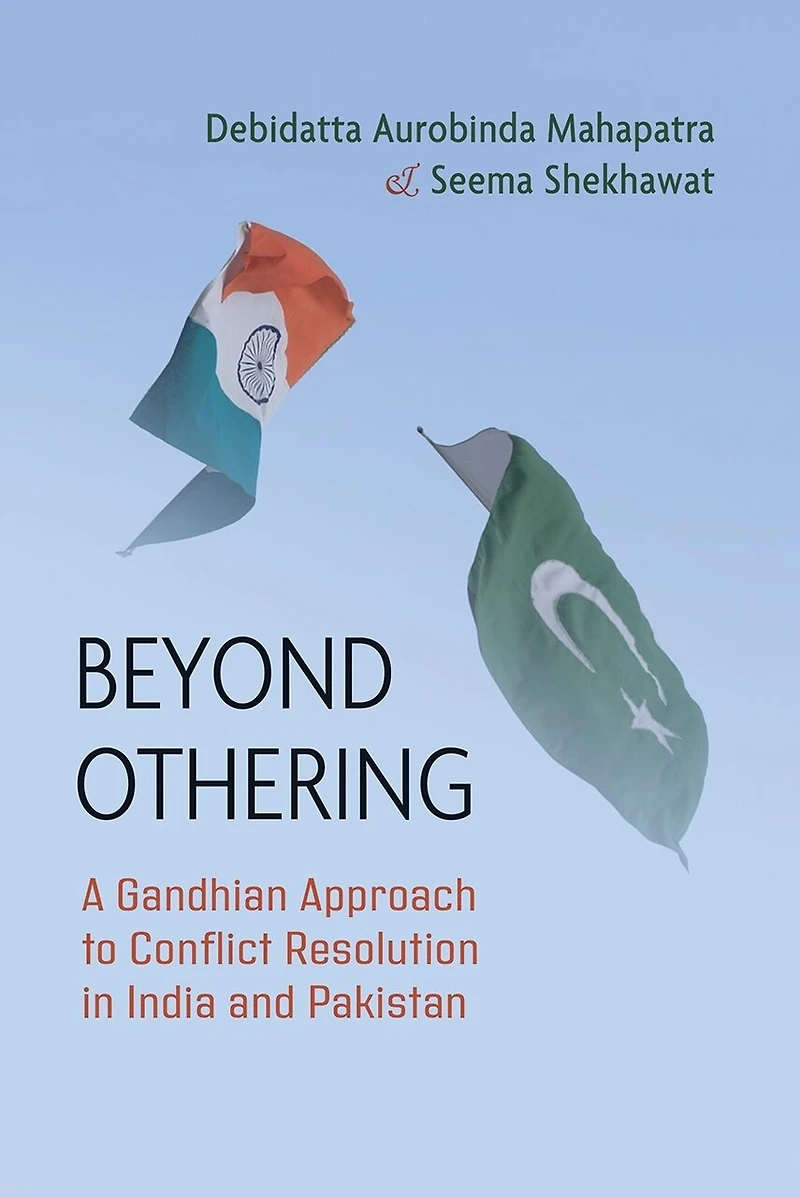
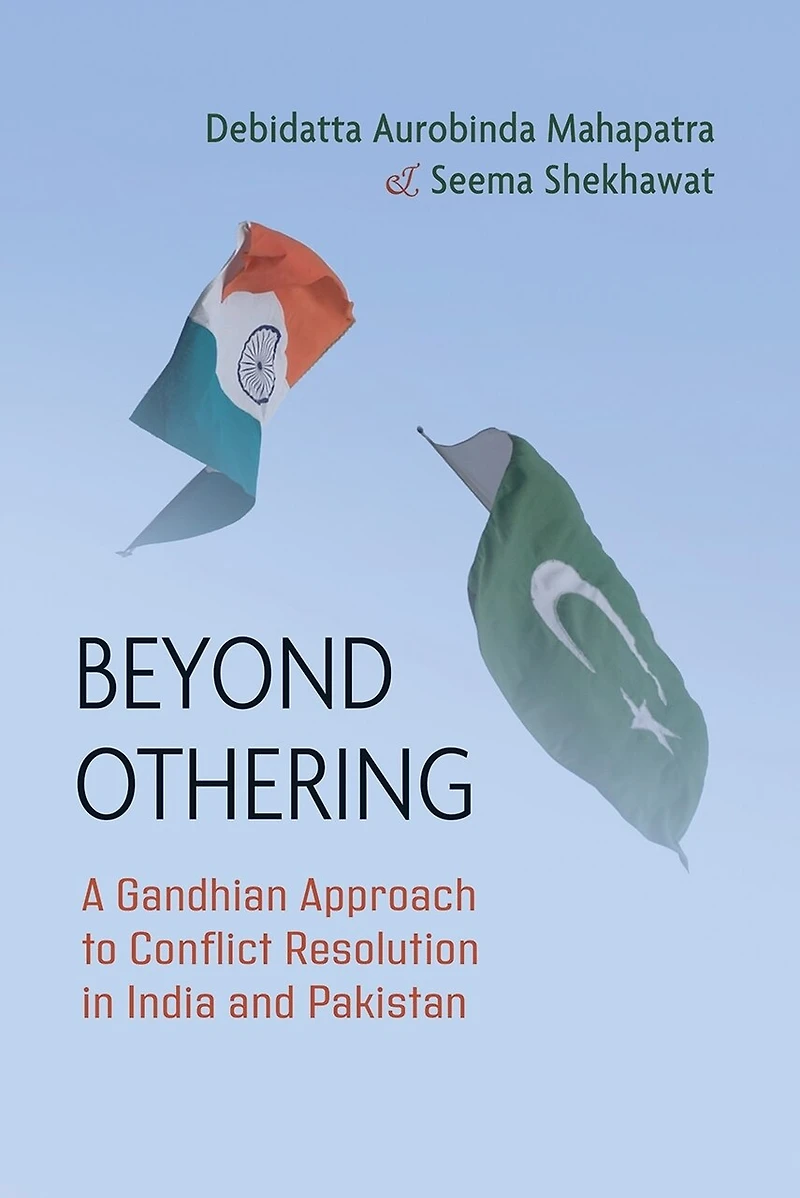
Beyond Othering: A Gandhian Approach to Conflict Resolution India and Pakistan
Indigo
Loading Inventory...

Beyond Othering: A Gandhian Approach to Conflict Resolution India and Pakistan
Current price: $114.95

Beyond Othering: A Gandhian Approach to Conflict Resolution India and Pakistan
Current price: $114.95
Loading Inventory...
Size: Hardcover
*Product information may vary - to confirm product availability, pricing, shipping and return information please contact Indigo
Mohandas K. Gandhi was a sharp critic of the 1947 partition of British India that created two independent states of India and Pakistan, believing that partition politics, rooted in the psychology of othering, would turn South Asia into a near permanent conflict zone. His apprehension was not without basis. The psychology of othering that engendered partition continues to manifest itself in multiple ways, including, but not limited to, interstate wars and communal violence. It permeates not only politics at a higher level but also everyday life. In exploring partition and post-partition developments in South Asia in this interdisciplinary work, Mahapatra and Shekhawat argue for a Gandhian approach to transform the conflict landscape in South Asia.
The authors illustrate how Gandhian principles of multicultural belonging and pluralism are key to resolving conflicts, not just in South Asia but across the world. Beyond Othering is a timely and relevant contribution to the discourse on conflict resolution, making it essential reading for scholars, policymakers, and practitioners interested in peacebuilding in the region and beyond.
Mohandas K. Gandhi was a sharp critic of the 1947 partition of British India that created two independent states of India and Pakistan, believing that partition politics, rooted in the psychology of othering, would turn South Asia into a near permanent conflict zone. His apprehension was not without basis. The psychology of othering that engendered partition continues to manifest itself in multiple ways, including, but not limited to, interstate wars and communal violence. It permeates not only politics at a higher level but also everyday life. In exploring partition and post-partition developments in South Asia in this interdisciplinary work, Mahapatra and Shekhawat argue for a Gandhian approach to transform the conflict landscape in South Asia.
The authors illustrate how Gandhian principles of multicultural belonging and pluralism are key to resolving conflicts, not just in South Asia but across the world. Beyond Othering is a timely and relevant contribution to the discourse on conflict resolution, making it essential reading for scholars, policymakers, and practitioners interested in peacebuilding in the region and beyond.
You May Also Like











More About Indigo at Erin Mills Town Centre
The largest book retailer in Canada also offers toys, music, home décor, gifts and lifestyle products. What's Inside...Books, Magazines, CD’s and DVD’s, Toys and Gifts, Home Accents, Electronics, Baby’s and Children’s Section, Bath and Body, Kitchen and Bedroom, Stationary Located outside in the exterior plaza.
5015 Glen Erin Dr, Mississauga, ON L5M 0R7, Canada
Find Indigo at Erin Mills Town Centre in Mississauga ON
Visit Indigo at Erin Mills Town Centre in Mississauga ON