

GIVE THE PERFECT GIFT
Erin Mills Town Centre Gift Cards are the perfect choice for your gift giving needs.Purchase gift cards at kiosks near the food court or centre court, at Guest Services, or click below to purchase online.PURCHASE HEREHome
Beyond the Burghal Hidage: Anglo-Saxon Civil Defence in the Viking Age
Indigo
Loading Inventory...
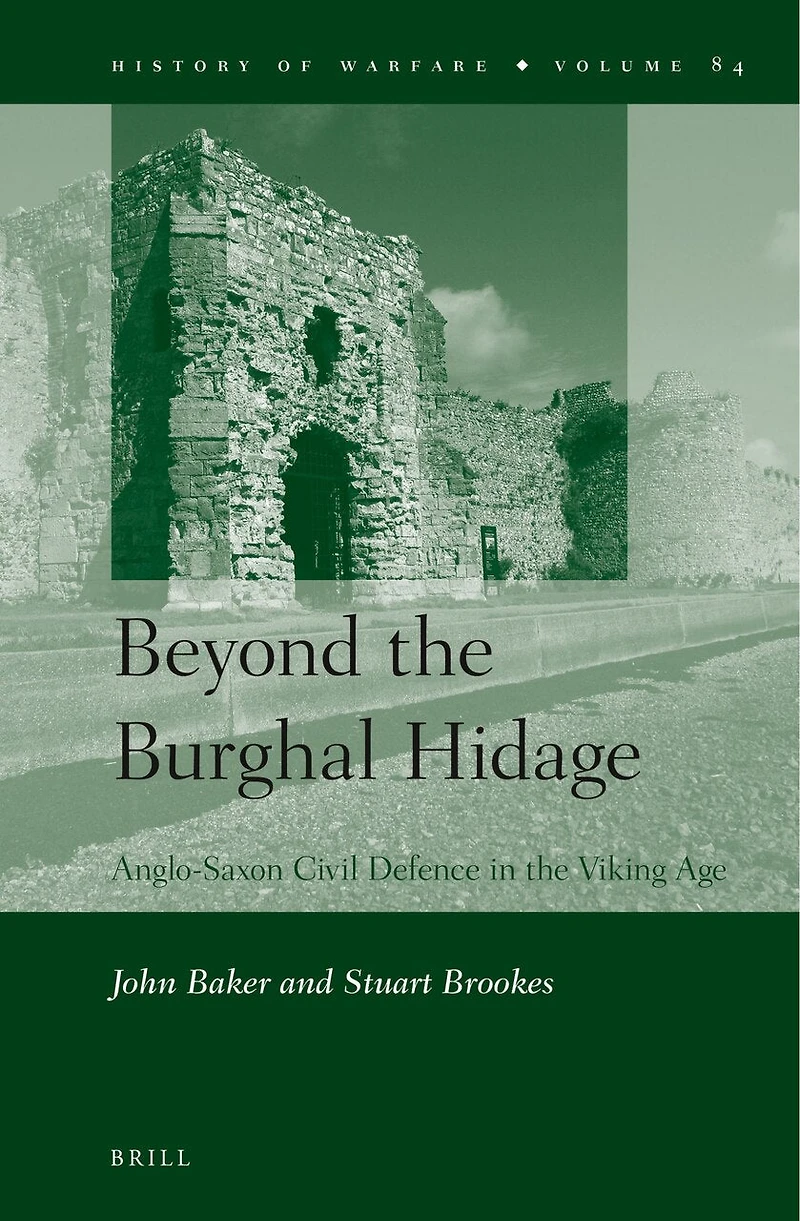
Beyond the Burghal Hidage: Anglo-Saxon Civil Defence in the Viking Age
Current price: $375.99

Beyond the Burghal Hidage: Anglo-Saxon Civil Defence in the Viking Age
Current price: $375.99
Loading Inventory...
Size: Hardcover
*Product information may vary - to confirm product availability, pricing, shipping and return information please contact Indigo
As the title suggests, Beyond the Burghal Hidage takes the study of Anglo-Saxon civil defence away from traditional historical and archaeological fields, and uses a groundbreaking interdisciplinary approach to examine warfare and public responses to organised violence through their impact on the landscape. By bringing together the evidence from a wide range of archaeological, onomastic and historical sources, the authors are able to reconstruct complex strategic and military landscapes, and to show how important detailed knowledge of early medieval infrastructure and communications is to our understanding of Anglo-Saxon preparedness for war, and to the situating of major defensive works within their wider strategic context. The result is a significant and far-reaching re-evaluation of the evolution of late Anglo-Saxon defensive arrangements.
Winner of the 2013 Verbruggen prize, given annually by De Re Militari society for the best book on medieval military history.
As the title suggests, Beyond the Burghal Hidage takes the study of Anglo-Saxon civil defence away from traditional historical and archaeological fields, and uses a groundbreaking interdisciplinary approach to examine warfare and public responses to organised violence through their impact on the landscape. By bringing together the evidence from a wide range of archaeological, onomastic and historical sources, the authors are able to reconstruct complex strategic and military landscapes, and to show how important detailed knowledge of early medieval infrastructure and communications is to our understanding of Anglo-Saxon preparedness for war, and to the situating of major defensive works within their wider strategic context. The result is a significant and far-reaching re-evaluation of the evolution of late Anglo-Saxon defensive arrangements.
Winner of the 2013 Verbruggen prize, given annually by De Re Militari society for the best book on medieval military history.
You May Also Like








More About Indigo at Erin Mills Town Centre
The largest book retailer in Canada also offers toys, music, home décor, gifts and lifestyle products. What's Inside...Books, Magazines, CD’s and DVD’s, Toys and Gifts, Home Accents, Electronics, Baby’s and Children’s Section, Bath and Body, Kitchen and Bedroom, Stationary Located outside in the exterior plaza.
5015 Glen Erin Dr, Mississauga, ON L5M 0R7, Canada
Find Indigo at Erin Mills Town Centre in Mississauga ON
Visit Indigo at Erin Mills Town Centre in Mississauga ON