

GIVE THE PERFECT GIFT
Erin Mills Town Centre Gift Cards are the perfect choice for your gift giving needs.Purchase gift cards at kiosks near the food court or centre court, at Guest Services, or click below to purchase online.PURCHASE HEREHome
Beyond the Pale: The Jewish Encounter with Late Imperial Russia
Indigo
Loading Inventory...
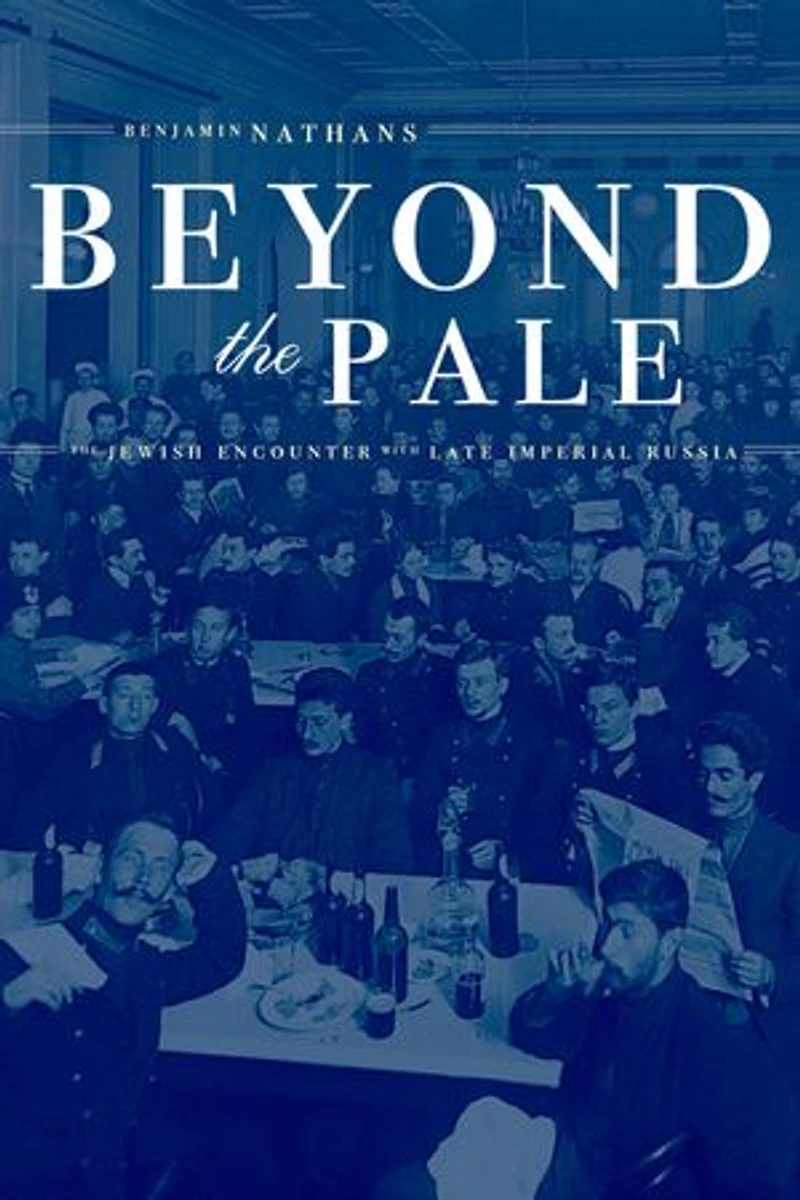
Beyond the Pale: The Jewish Encounter with Late Imperial Russia
Current price: $37.99
Original price: $47.43

Beyond the Pale: The Jewish Encounter with Late Imperial Russia
Current price: $37.99
Original price: $47.43
Loading Inventory...
Size: Kobo eBook
*Product information may vary - to confirm product availability, pricing, shipping and return information please contact Indigo
A surprising number of Jews lived, literally and figuratively, "beyond the Pale" of Jewish Settlement in tsarist Russia during the half-century before the Revolution of 1917. Thanks to the availability of long-closed Russian archives, along with a wide range of other sources, Benjamin Nathans reinterprets the history of the Russian-Jewish encounter.
In the wake of Russia's "Great Reforms," Nathans writes, a policy of selective integration stimulated social and geographic mobility among the empire's Jews. The reaction that culminated, toward the turn of the century, in ethnic restrictions on admission to universities, the professions, and other institutions of civil society reflected broad anxieties that Russians were being placed at a disadvantage in their own empire. Nathans's conclusions about the effects of selective integration and the Russian-Jewish encounter during this formative period will be of great interest to all students of modern Jewish and modern Russian history.
A surprising number of Jews lived, literally and figuratively, "beyond the Pale" of Jewish Settlement in tsarist Russia during the half-century before the Revolution of 1917. Thanks to the availability of long-closed Russian archives, along with a wide range of other sources, Benjamin Nathans reinterprets the history of the Russian-Jewish encounter.
In the wake of Russia's "Great Reforms," Nathans writes, a policy of selective integration stimulated social and geographic mobility among the empire's Jews. The reaction that culminated, toward the turn of the century, in ethnic restrictions on admission to universities, the professions, and other institutions of civil society reflected broad anxieties that Russians were being placed at a disadvantage in their own empire. Nathans's conclusions about the effects of selective integration and the Russian-Jewish encounter during this formative period will be of great interest to all students of modern Jewish and modern Russian history.
You May Also Like







More About Indigo at Erin Mills Town Centre
The largest book retailer in Canada also offers toys, music, home décor, gifts and lifestyle products. What's Inside...Books, Magazines, CD’s and DVD’s, Toys and Gifts, Home Accents, Electronics, Baby’s and Children’s Section, Bath and Body, Kitchen and Bedroom, Stationary Located outside in the exterior plaza.
5015 Glen Erin Dr, Mississauga, ON L5M 0R7, Canada
Find Indigo at Erin Mills Town Centre in Mississauga ON
Visit Indigo at Erin Mills Town Centre in Mississauga ON