

GIVE THE PERFECT GIFT
Erin Mills Town Centre Gift Cards are the perfect choice for your gift giving needs.Purchase gift cards at kiosks near the food court or centre court, at Guest Services, or click below to purchase online.PURCHASE HEREHome
Beyond Traditional Conceptions of Policing and Crime Control: New Metrics to Evaluate Police Performance Improve Legitimacy
Indigo
Loading Inventory...
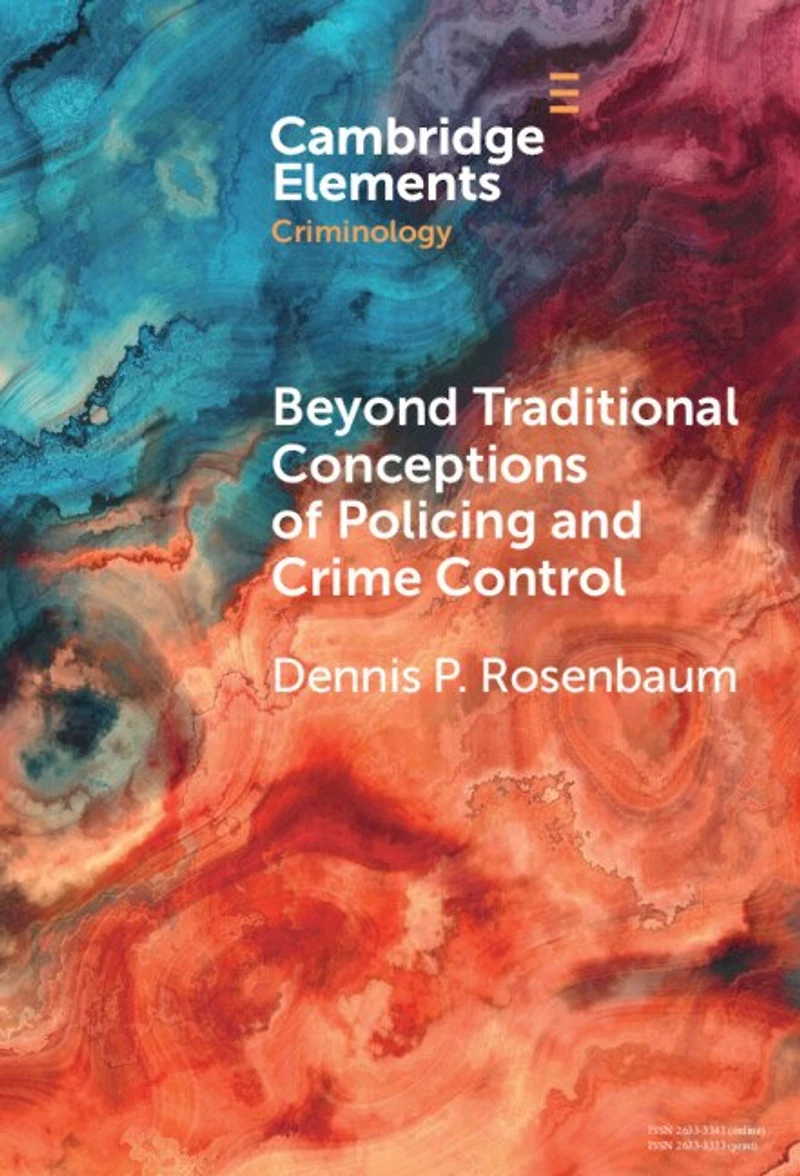
Beyond Traditional Conceptions of Policing and Crime Control: New Metrics to Evaluate Police Performance Improve Legitimacy
Current price: $94.73

Beyond Traditional Conceptions of Policing and Crime Control: New Metrics to Evaluate Police Performance Improve Legitimacy
Current price: $94.73
Loading Inventory...
Size: Hardcover
*Product information may vary - to confirm product availability, pricing, shipping and return information please contact Indigo
Today, policing in the United States is facing a crisis of legitimacy and calls for reform. This Element examines this crisis and describes the adverse effects of problematic police behavior on community members, police officers, and public safety. A critical analysis of past reform efforts is offered, including why they have had limited success in changing police operations, police culture, or styles of policing. The central thesis of this Element is that most police reforms have failed because we continue to use the wrong metrics to evaluate police performance. Cities have yet to systematically measure what matters to the public, namely how people are treated by the police. Hence, this Element proposes a new system of accountability using data from body-worn cameras and contact surveys to measure and incentivize procedural justice. Translating evidence into real organizational change should improve street-level policing, enhance police legitimacy, and improve public safety.
Today, policing in the United States is facing a crisis of legitimacy and calls for reform. This Element examines this crisis and describes the adverse effects of problematic police behavior on community members, police officers, and public safety. A critical analysis of past reform efforts is offered, including why they have had limited success in changing police operations, police culture, or styles of policing. The central thesis of this Element is that most police reforms have failed because we continue to use the wrong metrics to evaluate police performance. Cities have yet to systematically measure what matters to the public, namely how people are treated by the police. Hence, this Element proposes a new system of accountability using data from body-worn cameras and contact surveys to measure and incentivize procedural justice. Translating evidence into real organizational change should improve street-level policing, enhance police legitimacy, and improve public safety.
You May Also Like









More About Indigo at Erin Mills Town Centre
The largest book retailer in Canada also offers toys, music, home décor, gifts and lifestyle products. What's Inside...Books, Magazines, CD’s and DVD’s, Toys and Gifts, Home Accents, Electronics, Baby’s and Children’s Section, Bath and Body, Kitchen and Bedroom, Stationary Located outside in the exterior plaza.
5015 Glen Erin Dr, Mississauga, ON L5M 0R7, Canada
Find Indigo at Erin Mills Town Centre in Mississauga ON
Visit Indigo at Erin Mills Town Centre in Mississauga ON