

GIVE THE PERFECT GIFT
Erin Mills Town Centre Gift Cards are the perfect choice for your gift giving needs.Purchase gift cards at kiosks near the food court or centre court, at Guest Services, or click below to purchase online.PURCHASE HEREHome
Bhakti and Yoga: A Discourse in Seventeenth-Century Codices
Indigo
Loading Inventory...
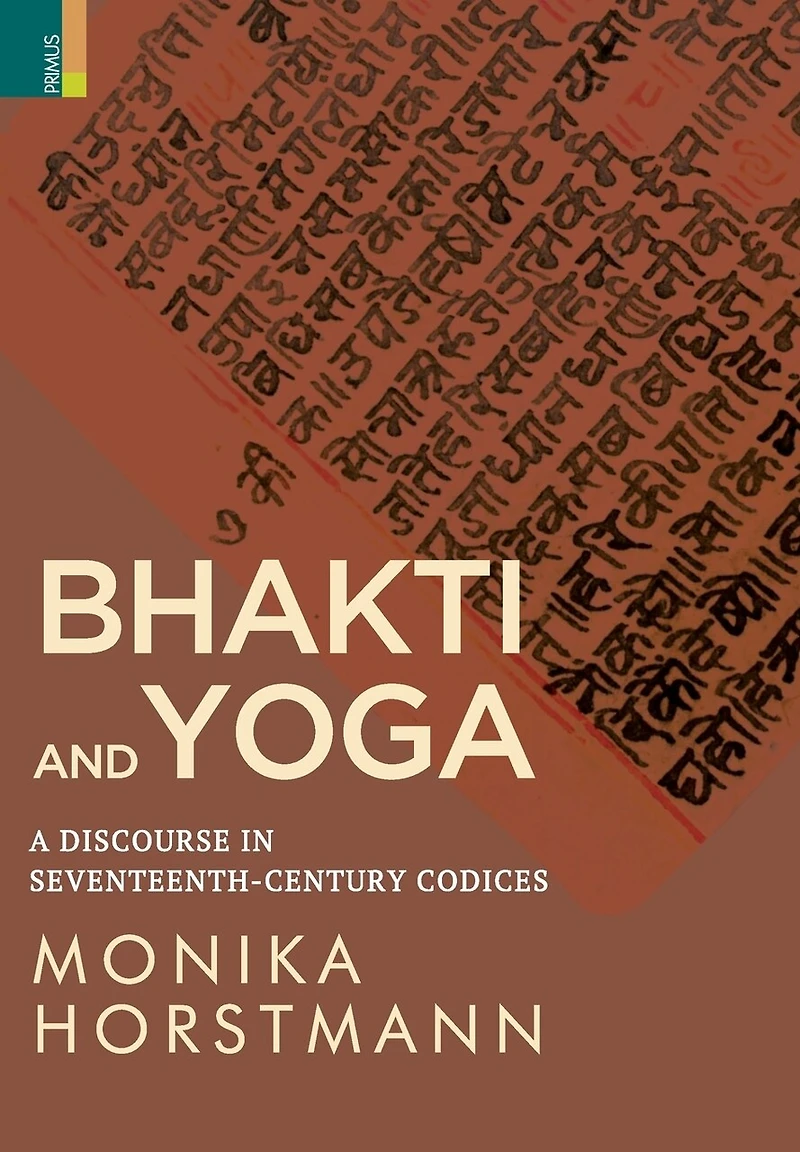
Bhakti and Yoga: A Discourse in Seventeenth-Century Codices
Current price: $64.95

Bhakti and Yoga: A Discourse in Seventeenth-Century Codices
Current price: $64.95
Loading Inventory...
Size: Hardcover
*Product information may vary - to confirm product availability, pricing, shipping and return information please contact Indigo
The religious order named Dādūpanth, which originated in Rajasthan, produced a wealth of manuscripts from about 1600 onwards. From the begining of this manuscript culture, huge codices were produced representing a chorus of voices, and reflecting the decisions made by the compilers or copyists regarding the validity of texts or entire traditions. These codices also served as the study manuals and homiletic tools of the compilers and copyists, all of them sadhus, who were more often than not also the users of these books. The discourse generated by them represents the intellectual and religious cosmos of their makers. In these codices, bhakti texts and the vernacular works of yogis are transmitted simultaniously, along with works representing a broader Vaishnava tradition, thereby documenting the dialogue of bhakti and yoga, and how commonalities and boundaries between the two were negotiated
The religious order named Dādūpanth, which originated in Rajasthan, produced a wealth of manuscripts from about 1600 onwards. From the begining of this manuscript culture, huge codices were produced representing a chorus of voices, and reflecting the decisions made by the compilers or copyists regarding the validity of texts or entire traditions. These codices also served as the study manuals and homiletic tools of the compilers and copyists, all of them sadhus, who were more often than not also the users of these books. The discourse generated by them represents the intellectual and religious cosmos of their makers. In these codices, bhakti texts and the vernacular works of yogis are transmitted simultaniously, along with works representing a broader Vaishnava tradition, thereby documenting the dialogue of bhakti and yoga, and how commonalities and boundaries between the two were negotiated
You May Also Like









More About Indigo at Erin Mills Town Centre
The largest book retailer in Canada also offers toys, music, home décor, gifts and lifestyle products. What's Inside...Books, Magazines, CD’s and DVD’s, Toys and Gifts, Home Accents, Electronics, Baby’s and Children’s Section, Bath and Body, Kitchen and Bedroom, Stationary Located outside in the exterior plaza.
5015 Glen Erin Dr, Mississauga, ON L5M 0R7, Canada
Find Indigo at Erin Mills Town Centre in Mississauga ON
Visit Indigo at Erin Mills Town Centre in Mississauga ON