

GIVE THE PERFECT GIFT
Erin Mills Town Centre Gift Cards are the perfect choice for your gift giving needs.Purchase gift cards at kiosks near the food court or centre court, at Guest Services, or click below to purchase online.PURCHASE HEREHome
Biblical Commentary and Translation Later Medieval England: Experiments Interpretation
Indigo
Loading Inventory...
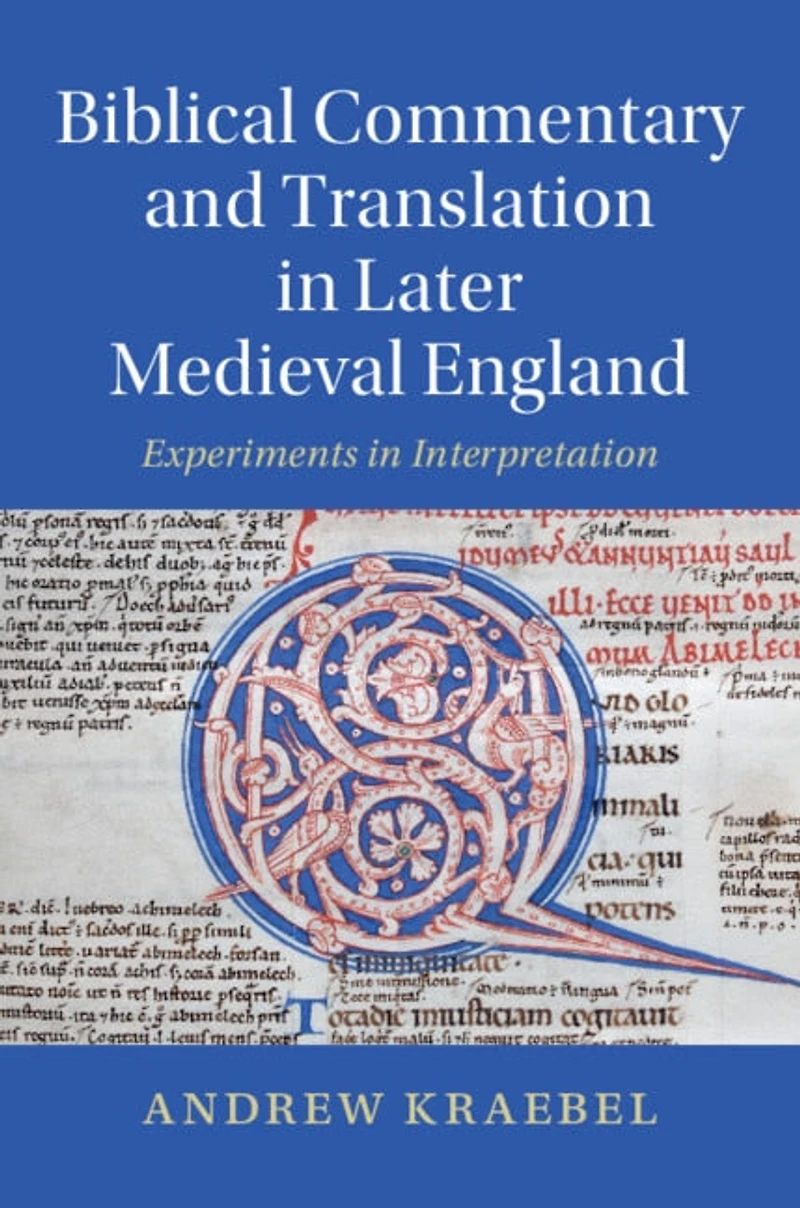
Biblical Commentary and Translation Later Medieval England: Experiments Interpretation
Current price: $152.95

Biblical Commentary and Translation Later Medieval England: Experiments Interpretation
Current price: $152.95
Loading Inventory...
Size: Hardcover
*Product information may vary - to confirm product availability, pricing, shipping and return information please contact Indigo
Drawing extensively on unpublished manuscript sources, this study uncovers the culture of experimentation that surrounded biblical exegesis in fourteenth-century England. In an area ripe for revision, Andrew Kraebel challenges the accepted theory (inherited from Reformation writers) that medieval English Bible translations represent a proto-Protestant rejection of scholastic modes of interpretation. Instead, he argues that early translators were themselves part of a larger scholastic interpretive tradition, and that they tried to make that tradition available to a broader audience. Translation was thus one among many ways that English exegetes experimented with the possibilities of commentary. With a wide scope, the book focuses on works by writers from the heretic John Wyclif to the hermit Richard Rolle, alongside a host of lesser-known authors, including Henry Cossey and Nicholas Trevet, and many anonymous texts. The study provides new insight into the ingenuity of medieval interpreters willing to develop new literary-critical methods and embrace intellectual risks.
Drawing extensively on unpublished manuscript sources, this study uncovers the culture of experimentation that surrounded biblical exegesis in fourteenth-century England. In an area ripe for revision, Andrew Kraebel challenges the accepted theory (inherited from Reformation writers) that medieval English Bible translations represent a proto-Protestant rejection of scholastic modes of interpretation. Instead, he argues that early translators were themselves part of a larger scholastic interpretive tradition, and that they tried to make that tradition available to a broader audience. Translation was thus one among many ways that English exegetes experimented with the possibilities of commentary. With a wide scope, the book focuses on works by writers from the heretic John Wyclif to the hermit Richard Rolle, alongside a host of lesser-known authors, including Henry Cossey and Nicholas Trevet, and many anonymous texts. The study provides new insight into the ingenuity of medieval interpreters willing to develop new literary-critical methods and embrace intellectual risks.
You May Also Like








More About Indigo at Erin Mills Town Centre
The largest book retailer in Canada also offers toys, music, home décor, gifts and lifestyle products. What's Inside...Books, Magazines, CD’s and DVD’s, Toys and Gifts, Home Accents, Electronics, Baby’s and Children’s Section, Bath and Body, Kitchen and Bedroom, Stationary Located outside in the exterior plaza.
5015 Glen Erin Dr, Mississauga, ON L5M 0R7, Canada
Find Indigo at Erin Mills Town Centre in Mississauga ON
Visit Indigo at Erin Mills Town Centre in Mississauga ON