

GIVE THE PERFECT GIFT
Erin Mills Town Centre Gift Cards are the perfect choice for your gift giving needs.Purchase gift cards at kiosks near the food court or centre court, at Guest Services, or click below to purchase online.PURCHASE HEREHome
Bichara: Moro Chanceries and Jawi Legacy in the Philippines
Indigo
Loading Inventory...
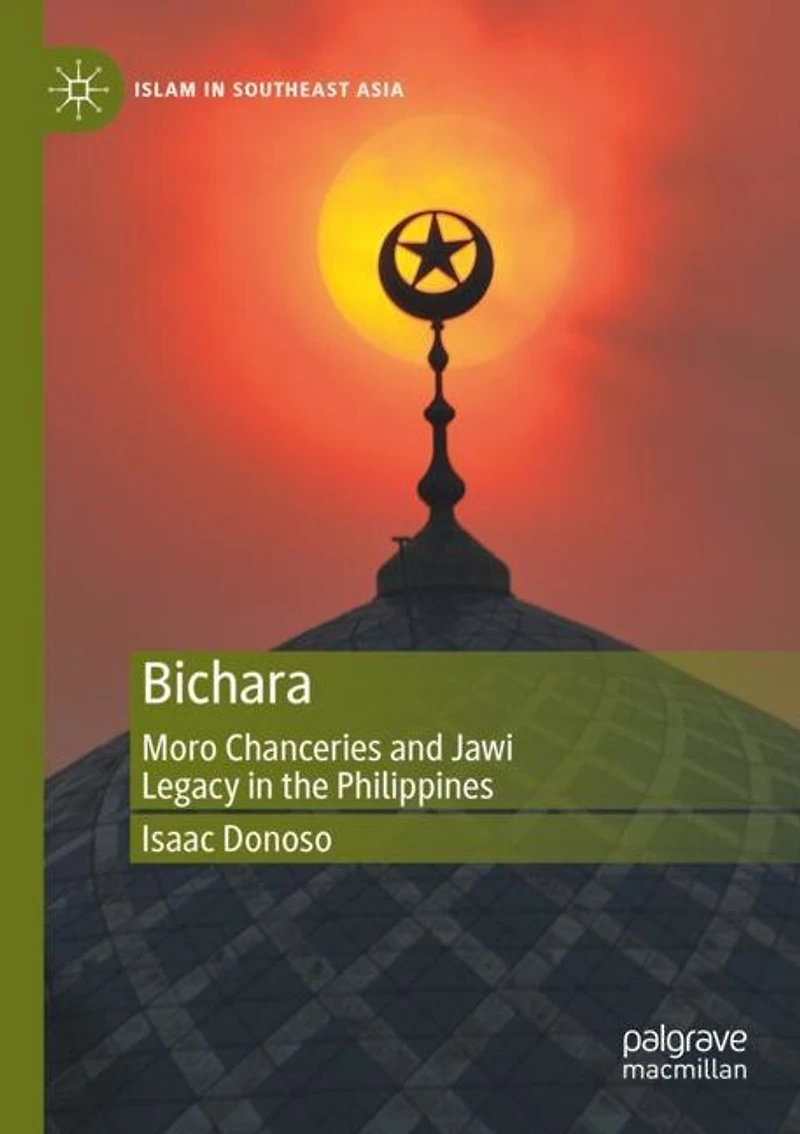
Bichara: Moro Chanceries and Jawi Legacy in the Philippines
Current price: $233.95

Bichara: Moro Chanceries and Jawi Legacy in the Philippines
Current price: $233.95
Loading Inventory...
Size: Paperback
*Product information may vary - to confirm product availability, pricing, shipping and return information please contact Indigo
This book focuses on the written heritage of Muslims in the Philippines, the historical constitution of chancelleries within the Islamic sultanates, and the production of official letters to conduct local and international diplomacy. The standard narrative on Muslims in the Philippines is one that centres political and armed struggles within the region. However, two important aspects remain unattended: the cultural and intellectual production of the sultanates, and the Moro involvement in Southeast Asian Islamic civilization. This book connects the development and personality of the Philippine sultanates into the regional context of local communities that adopted an international faith. Political alliances and religious missions altered different ethnolinguistic groups and furnished them with the Word, the Qur'anic message, and the Arabic script. Indeed, customary orality and Adab shaped a way of being and acting modelled after what was called the Bichara . Particularly, the book studies the Moro Letter as cultural craft with political meaning, and Jawi heritage in the Philippines. A general catalogue of Jawi manuscripts from the National Archives of the Philippines is provided as appendix.
This book focuses on the written heritage of Muslims in the Philippines, the historical constitution of chancelleries within the Islamic sultanates, and the production of official letters to conduct local and international diplomacy. The standard narrative on Muslims in the Philippines is one that centres political and armed struggles within the region. However, two important aspects remain unattended: the cultural and intellectual production of the sultanates, and the Moro involvement in Southeast Asian Islamic civilization. This book connects the development and personality of the Philippine sultanates into the regional context of local communities that adopted an international faith. Political alliances and religious missions altered different ethnolinguistic groups and furnished them with the Word, the Qur'anic message, and the Arabic script. Indeed, customary orality and Adab shaped a way of being and acting modelled after what was called the Bichara . Particularly, the book studies the Moro Letter as cultural craft with political meaning, and Jawi heritage in the Philippines. A general catalogue of Jawi manuscripts from the National Archives of the Philippines is provided as appendix.
You May Also Like







More About Indigo at Erin Mills Town Centre
The largest book retailer in Canada also offers toys, music, home décor, gifts and lifestyle products. What's Inside...Books, Magazines, CD’s and DVD’s, Toys and Gifts, Home Accents, Electronics, Baby’s and Children’s Section, Bath and Body, Kitchen and Bedroom, Stationary Located outside in the exterior plaza.
5015 Glen Erin Dr, Mississauga, ON L5M 0R7, Canada
Find Indigo at Erin Mills Town Centre in Mississauga ON
Visit Indigo at Erin Mills Town Centre in Mississauga ON