

GIVE THE PERFECT GIFT
Erin Mills Town Centre Gift Cards are the perfect choice for your gift giving needs.Purchase gift cards at kiosks near the food court or centre court, at Guest Services, or click below to purchase online.PURCHASE HEREHome
Bioactive Compounds Edible Mushrooms: Sustainability and Health Applications
Indigo
Loading Inventory...
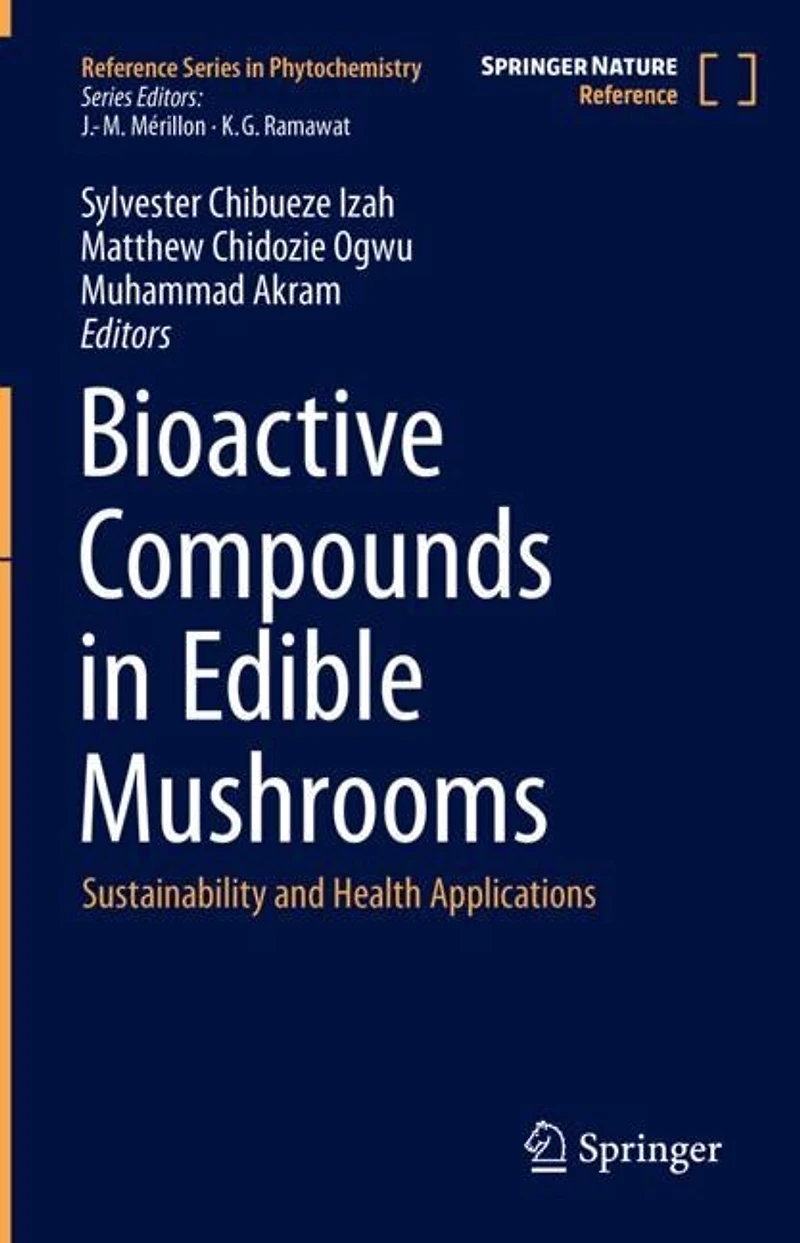
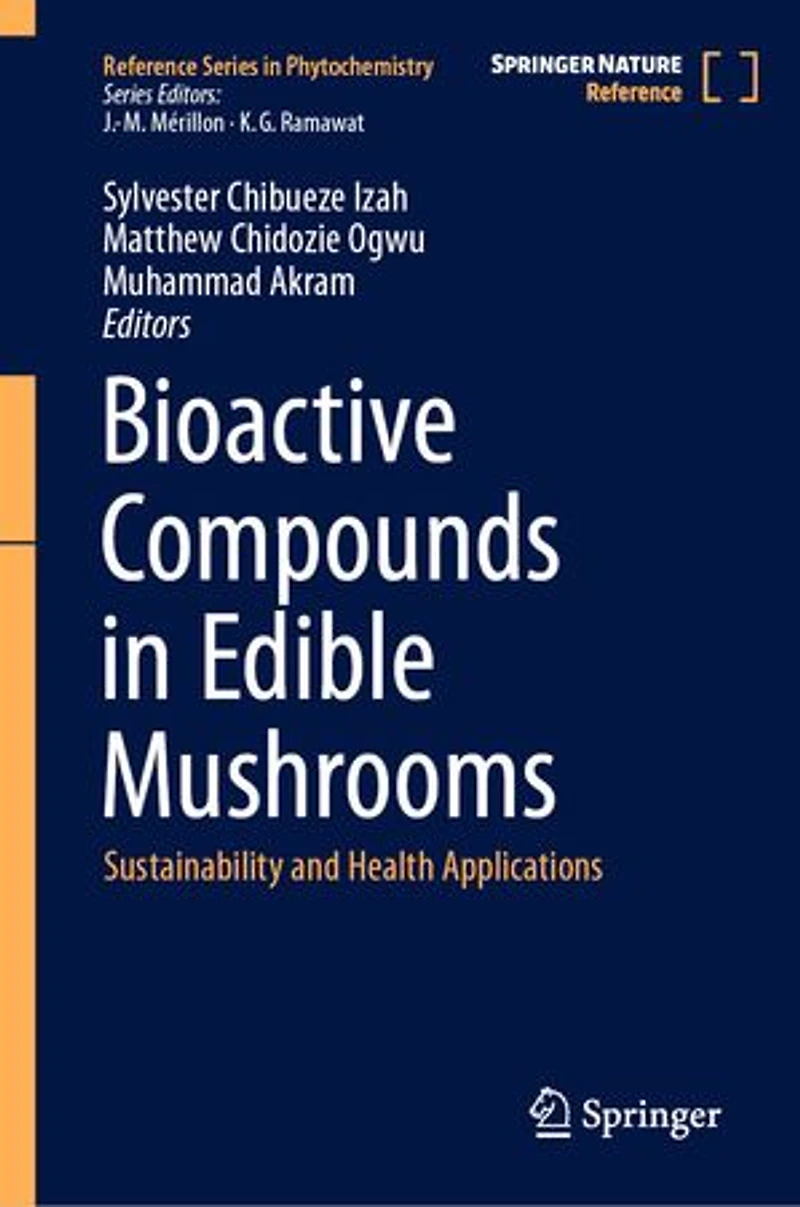
Bioactive Compounds Edible Mushrooms: Sustainability and Health Applications
Current price: $948.95

Bioactive Compounds Edible Mushrooms: Sustainability and Health Applications
Current price: $948.95
Loading Inventory...
Size: Hardcover
*Product information may vary - to confirm product availability, pricing, shipping and return information please contact Indigo
This handbook offers a comprehensive perspective of edible mushrooms' phytochemistry and explores the application of bioactive compounds from fungi in nutrition, medicine, and environmental sustainability. The book starts with an overview of edible mushrooms' bioactive compounds, followed by 5 parts covering the diversity, classification and taxonomy of common edible mushrooms, their environmental roles, sustainable harvesting practices, nutritional value and health benefits, and characterization and quality control of bioactive compounds. The book concludes with a perspective on emerging uses and trends in mushroom consumption utilization. In this book, readers will find valuable insights into the latest trends and developments in the field, including how diverse edible mushroom species are used in culinary, medicinal, and ecological contexts. Particular attention is given to functional foods and the chemical composition of an extensive range of bioactive compounds in edible mushrooms, such as beta-glucans, polysaccharides, ergosterol, phenolic compounds, and triterpenoids. The book also explores the environmental impact of mushroom cultivation and the economic opportunities arising from the increasing demand for edible mushrooms and their bioactive compounds. Techniques and strategies for preserving mushrooms, detecting adulteration in the mushroom market, characterizing bioactive compounds, and ensuring quality control in production and distribution are thoroughly discussed. This comprehensive overview serves as an invaluable resource for a wide range of professionals, including researchers, healthcare practitioners, nutritionists, food technologists, and anyone interested in tapping into the potential of edible mushroom bioactive compounds for the improvement of health, nutrition, and sustainability.
This handbook offers a comprehensive perspective of edible mushrooms' phytochemistry and explores the application of bioactive compounds from fungi in nutrition, medicine, and environmental sustainability. The book starts with an overview of edible mushrooms' bioactive compounds, followed by 5 parts covering the diversity, classification and taxonomy of common edible mushrooms, their environmental roles, sustainable harvesting practices, nutritional value and health benefits, and characterization and quality control of bioactive compounds. The book concludes with a perspective on emerging uses and trends in mushroom consumption utilization. In this book, readers will find valuable insights into the latest trends and developments in the field, including how diverse edible mushroom species are used in culinary, medicinal, and ecological contexts. Particular attention is given to functional foods and the chemical composition of an extensive range of bioactive compounds in edible mushrooms, such as beta-glucans, polysaccharides, ergosterol, phenolic compounds, and triterpenoids. The book also explores the environmental impact of mushroom cultivation and the economic opportunities arising from the increasing demand for edible mushrooms and their bioactive compounds. Techniques and strategies for preserving mushrooms, detecting adulteration in the mushroom market, characterizing bioactive compounds, and ensuring quality control in production and distribution are thoroughly discussed. This comprehensive overview serves as an invaluable resource for a wide range of professionals, including researchers, healthcare practitioners, nutritionists, food technologists, and anyone interested in tapping into the potential of edible mushroom bioactive compounds for the improvement of health, nutrition, and sustainability.
You May Also Like







More About Indigo at Erin Mills Town Centre
The largest book retailer in Canada also offers toys, music, home décor, gifts and lifestyle products. What's Inside...Books, Magazines, CD’s and DVD’s, Toys and Gifts, Home Accents, Electronics, Baby’s and Children’s Section, Bath and Body, Kitchen and Bedroom, Stationary Located outside in the exterior plaza.
5015 Glen Erin Dr, Mississauga, ON L5M 0R7, Canada
Find Indigo at Erin Mills Town Centre in Mississauga ON
Visit Indigo at Erin Mills Town Centre in Mississauga ON