

GIVE THE PERFECT GIFT
Erin Mills Town Centre Gift Cards are the perfect choice for your gift giving needs.Purchase gift cards at kiosks near the food court or centre court, at Guest Services, or click below to purchase online.PURCHASE HEREHome
Bismarck, North Dakota
Indigo
Loading Inventory...
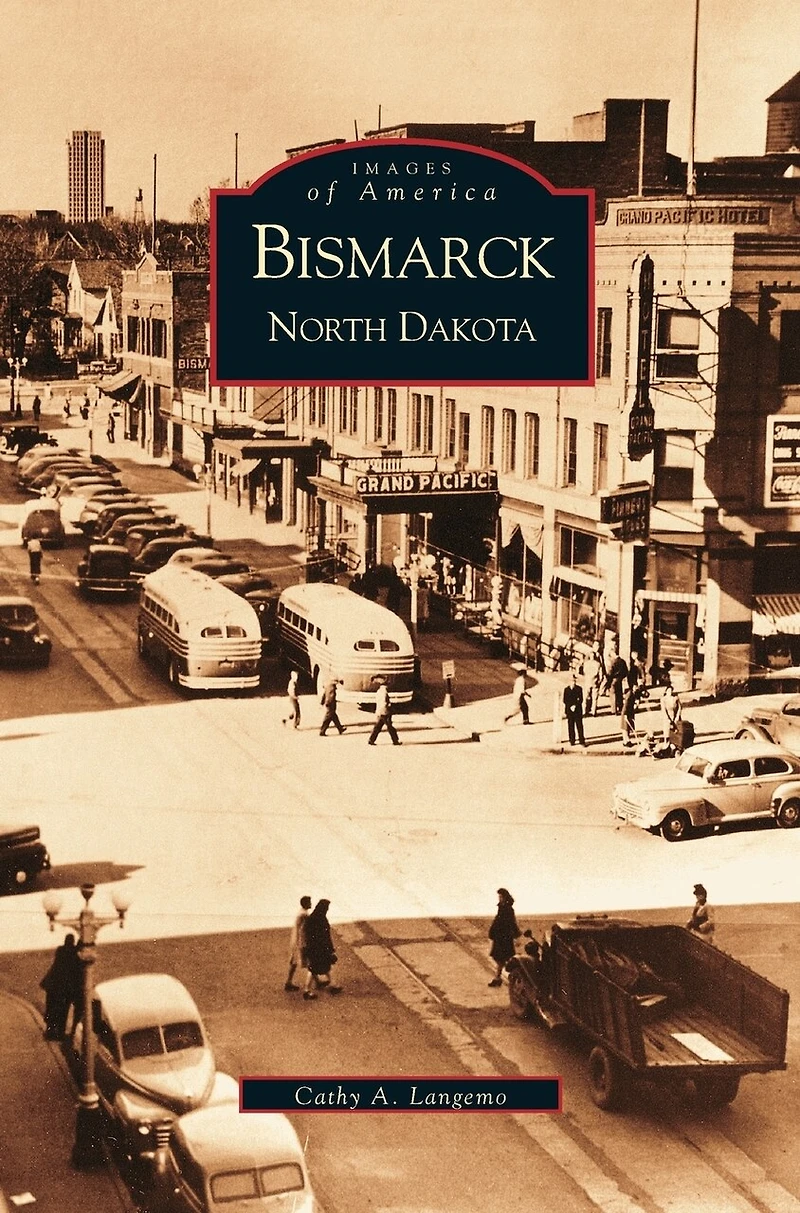
Bismarck, North Dakota
Current price: $36.99

Bismarck, North Dakota
Current price: $36.99
Loading Inventory...
Size: Hardcover
*Product information may vary - to confirm product availability, pricing, shipping and return information please contact Indigo
The late 19th and the 20th centuries brought tremendous changes to Bismarck, as it did to all of North Dakota. The 1880s through the 1910s saw much of the new state's population growth. In this time period, English, Irish, Scandinavian, German, and many other immigrant settlers joined the several Native American tribes that had been in the Bismarck area for centuries. Later arrivals of Germans from Russia resulted in even more diversity in the young city. Originally named Edwinton for Edwin F. Johnson of Vermont, who first suggested the building of a transcontinental railroad, Bismarck became the territorial, state, and county seats of government. With the governmental functions came related businesses and industries, as well as employment opportunities for Bismarck's citizens. Its location on the Missouri River and a main railway line meant that Bismarck was accessible from all directions, and many of today's landmarks and streets are named for those who arrived by water and rail.
The late 19th and the 20th centuries brought tremendous changes to Bismarck, as it did to all of North Dakota. The 1880s through the 1910s saw much of the new state's population growth. In this time period, English, Irish, Scandinavian, German, and many other immigrant settlers joined the several Native American tribes that had been in the Bismarck area for centuries. Later arrivals of Germans from Russia resulted in even more diversity in the young city. Originally named Edwinton for Edwin F. Johnson of Vermont, who first suggested the building of a transcontinental railroad, Bismarck became the territorial, state, and county seats of government. With the governmental functions came related businesses and industries, as well as employment opportunities for Bismarck's citizens. Its location on the Missouri River and a main railway line meant that Bismarck was accessible from all directions, and many of today's landmarks and streets are named for those who arrived by water and rail.
You May Also Like










More About Indigo at Erin Mills Town Centre
The largest book retailer in Canada also offers toys, music, home décor, gifts and lifestyle products. What's Inside...Books, Magazines, CD’s and DVD’s, Toys and Gifts, Home Accents, Electronics, Baby’s and Children’s Section, Bath and Body, Kitchen and Bedroom, Stationary Located outside in the exterior plaza.
5015 Glen Erin Dr, Mississauga, ON L5M 0R7, Canada
Find Indigo at Erin Mills Town Centre in Mississauga ON
Visit Indigo at Erin Mills Town Centre in Mississauga ON