

GIVE THE PERFECT GIFT
Erin Mills Town Centre Gift Cards are the perfect choice for your gift giving needs.Purchase gift cards at kiosks near the food court or centre court, at Guest Services, or click below to purchase online.PURCHASE HEREHome
Black Boys Burning: The 1959 Fire At Arkansas Negro Industrial School
Indigo
Loading Inventory...
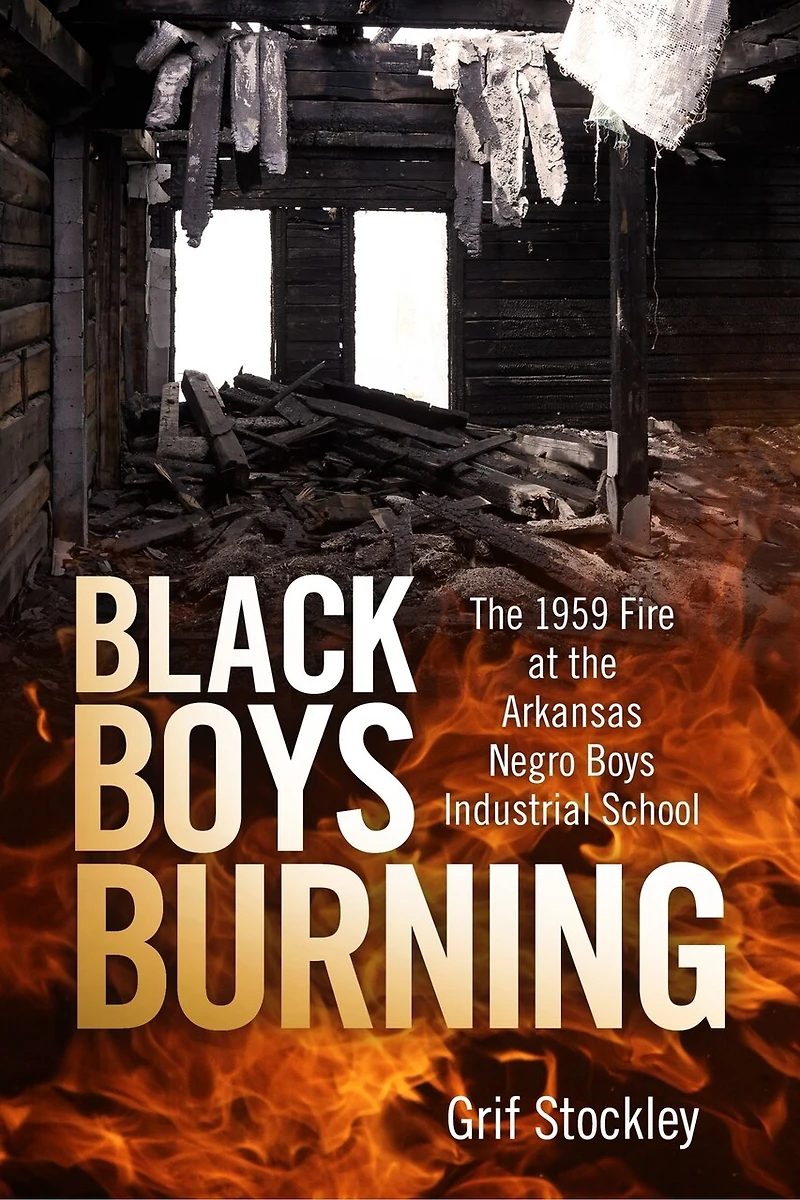
Black Boys Burning: The 1959 Fire At Arkansas Negro Industrial School
Current price: $43.95

Black Boys Burning: The 1959 Fire At Arkansas Negro Industrial School
Current price: $43.95
Loading Inventory...
Size: Hardcover
*Product information may vary - to confirm product availability, pricing, shipping and return information please contact Indigo
On the morning of March 5, 1959, Luvenia Long was listening to gospel music when a news bulletin interrupted her radio program. Fire had engulfed the Arkansas Negro Boys Industrial School in Wrightsville, thirteen miles outside of Little Rock. Her son Lindsey had been confined there since January 14, after a judge for juveniles found him guilty of stealing from a neighborhood store owner. To her horror, Lindsey was not among the forty-eight boys who had clawed their way through the windows of the dormitory to safety. Instead, he was among the twenty-one boys between the ages of thirteen and seventeen who burned to death.
Black Boys Burning presents a focused explanation of how systemic poverty perpetuated by white supremacy sealed the fate of those students. A careful telling of the history of the school and fire, the book provides readers a fresh understanding of the broad implications of white supremacy. Grif Stockley?s research adds to an evolving understanding of the Jim Crow South, Arkansas?s history, the lawyers who capitalized on this tragedy, and the African American victims.
In hindsight, the disaster at Wrightsville could have been predicted. Immediately after the fire, an unsigned editorial in the Arkansas Democrat noted long-term deterioration, including the wiring, of the buildings. After the Central High School desegregation crisis in 1957, the boys? deaths eighteen months later were once again an embarrassment to Arkansas. The fire and its circumstances should have provoked southerners to investigate the realities of their ?separate but equal institutions.? However, white supremacy ruled the investigations, and the grand jury declared the event to be an anomaly.
On the morning of March 5, 1959, Luvenia Long was listening to gospel music when a news bulletin interrupted her radio program. Fire had engulfed the Arkansas Negro Boys Industrial School in Wrightsville, thirteen miles outside of Little Rock. Her son Lindsey had been confined there since January 14, after a judge for juveniles found him guilty of stealing from a neighborhood store owner. To her horror, Lindsey was not among the forty-eight boys who had clawed their way through the windows of the dormitory to safety. Instead, he was among the twenty-one boys between the ages of thirteen and seventeen who burned to death.
Black Boys Burning presents a focused explanation of how systemic poverty perpetuated by white supremacy sealed the fate of those students. A careful telling of the history of the school and fire, the book provides readers a fresh understanding of the broad implications of white supremacy. Grif Stockley?s research adds to an evolving understanding of the Jim Crow South, Arkansas?s history, the lawyers who capitalized on this tragedy, and the African American victims.
In hindsight, the disaster at Wrightsville could have been predicted. Immediately after the fire, an unsigned editorial in the Arkansas Democrat noted long-term deterioration, including the wiring, of the buildings. After the Central High School desegregation crisis in 1957, the boys? deaths eighteen months later were once again an embarrassment to Arkansas. The fire and its circumstances should have provoked southerners to investigate the realities of their ?separate but equal institutions.? However, white supremacy ruled the investigations, and the grand jury declared the event to be an anomaly.
You May Also Like








More About Indigo at Erin Mills Town Centre
The largest book retailer in Canada also offers toys, music, home décor, gifts and lifestyle products. What's Inside...Books, Magazines, CD’s and DVD’s, Toys and Gifts, Home Accents, Electronics, Baby’s and Children’s Section, Bath and Body, Kitchen and Bedroom, Stationary Located outside in the exterior plaza.
5015 Glen Erin Dr, Mississauga, ON L5M 0R7, Canada
Find Indigo at Erin Mills Town Centre in Mississauga ON
Visit Indigo at Erin Mills Town Centre in Mississauga ON