

GIVE THE PERFECT GIFT
Erin Mills Town Centre Gift Cards are the perfect choice for your gift giving needs.Purchase gift cards at kiosks near the food court or centre court, at Guest Services, or click below to purchase online.PURCHASE HEREHome
Black Charlestonians: A Social History, 1822-1885
Indigo
Loading Inventory...
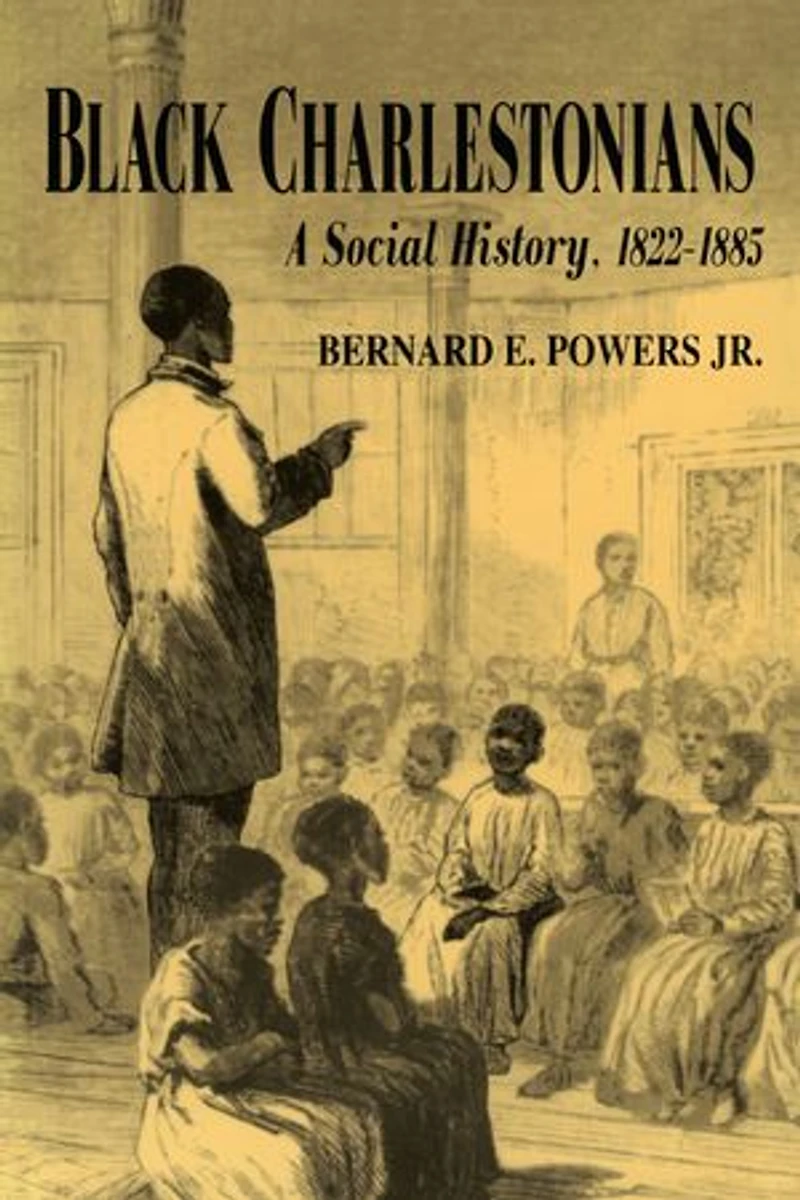
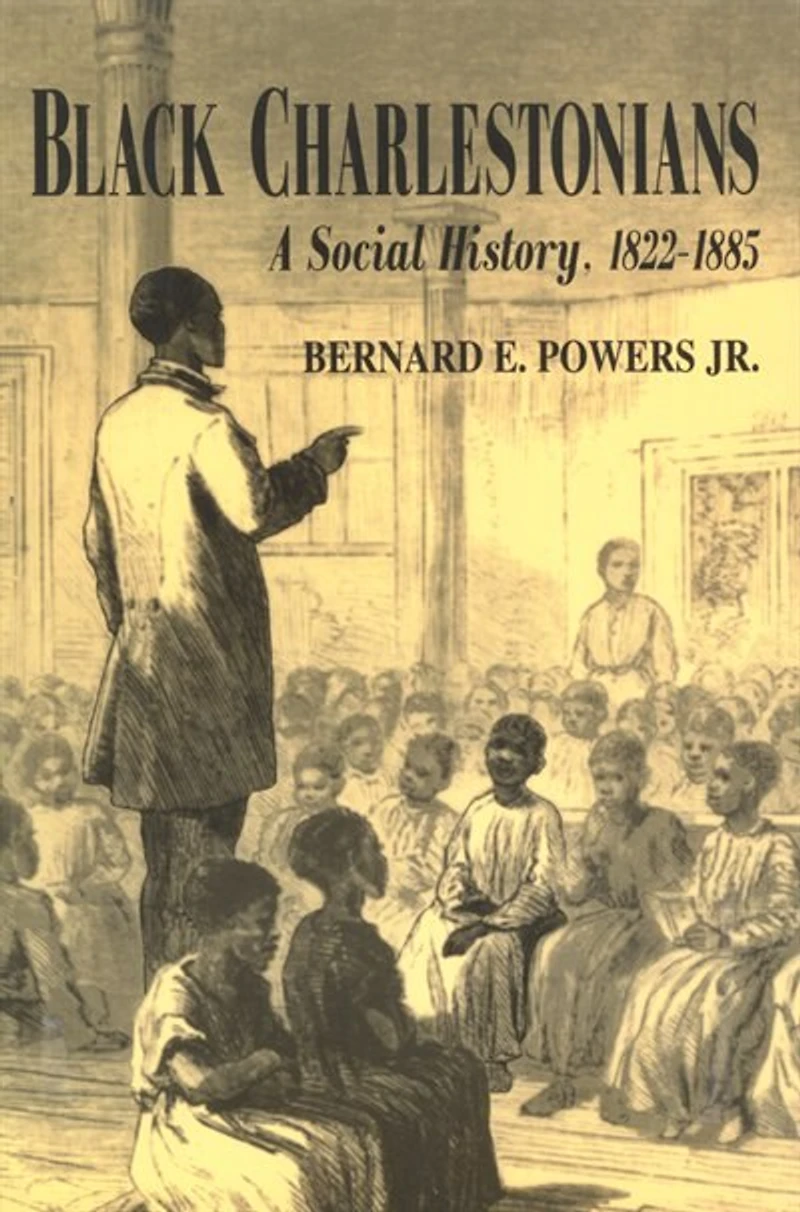
Black Charlestonians: A Social History, 1822-1885
Current price: $35.79
Original price: $44.72

Black Charlestonians: A Social History, 1822-1885
Current price: $35.79
Original price: $44.72
Loading Inventory...
Size: Kobo eBook
*Product information may vary - to confirm product availability, pricing, shipping and return information please contact Indigo
This revisionist work delineates the major social and economic contours of the large black population in the pivotal Southern city of Charleston, South Carolina., historic seaport center for the slave trade. It draws upon census data, manuscript collections, and newspaper accounts to expand our knowledge of this particular community of nineteenth-century black urbanites.
Although the federal government codified the rights of African-Americans into law following the Civil War, it was the initiatives taken by black men and women that actually transformed the theoretical benefits of emancipation into clear achievement.
Because of its large free black population, Charleston provided a case study of black social class stratification and social mobility even before the war. Reconstruction only emphasized that stratification, and Powers examines in detail the aspirations and concessions that shaped the lives of the newly freed blacks, who were led by a black upper class tat sometimes seemed more inclined to emulate white social mores than act as a vanguard for fundamental social change.
Unlike most Reconstruction studies, which concentrate on politics, Black Charlestonians explores the era’s vital socioeconomic challenges for blacks as they emerged into full citizenship in an important city in the South.
Choice’s 1996 Outstanding Academic Books List
This revisionist work delineates the major social and economic contours of the large black population in the pivotal Southern city of Charleston, South Carolina., historic seaport center for the slave trade. It draws upon census data, manuscript collections, and newspaper accounts to expand our knowledge of this particular community of nineteenth-century black urbanites.
Although the federal government codified the rights of African-Americans into law following the Civil War, it was the initiatives taken by black men and women that actually transformed the theoretical benefits of emancipation into clear achievement.
Because of its large free black population, Charleston provided a case study of black social class stratification and social mobility even before the war. Reconstruction only emphasized that stratification, and Powers examines in detail the aspirations and concessions that shaped the lives of the newly freed blacks, who were led by a black upper class tat sometimes seemed more inclined to emulate white social mores than act as a vanguard for fundamental social change.
Unlike most Reconstruction studies, which concentrate on politics, Black Charlestonians explores the era’s vital socioeconomic challenges for blacks as they emerged into full citizenship in an important city in the South.
Choice’s 1996 Outstanding Academic Books List
You May Also Like









More About Indigo at Erin Mills Town Centre
The largest book retailer in Canada also offers toys, music, home décor, gifts and lifestyle products. What's Inside...Books, Magazines, CD’s and DVD’s, Toys and Gifts, Home Accents, Electronics, Baby’s and Children’s Section, Bath and Body, Kitchen and Bedroom, Stationary Located outside in the exterior plaza.
5015 Glen Erin Dr, Mississauga, ON L5M 0R7, Canada
Find Indigo at Erin Mills Town Centre in Mississauga ON
Visit Indigo at Erin Mills Town Centre in Mississauga ON