

GIVE THE PERFECT GIFT
Erin Mills Town Centre Gift Cards are the perfect choice for your gift giving needs.Purchase gift cards at kiosks near the food court or centre court, at Guest Services, or click below to purchase online.PURCHASE HEREHome
Black Cultural Capital: Activism That Spurred African American High Schools
Indigo
Loading Inventory...
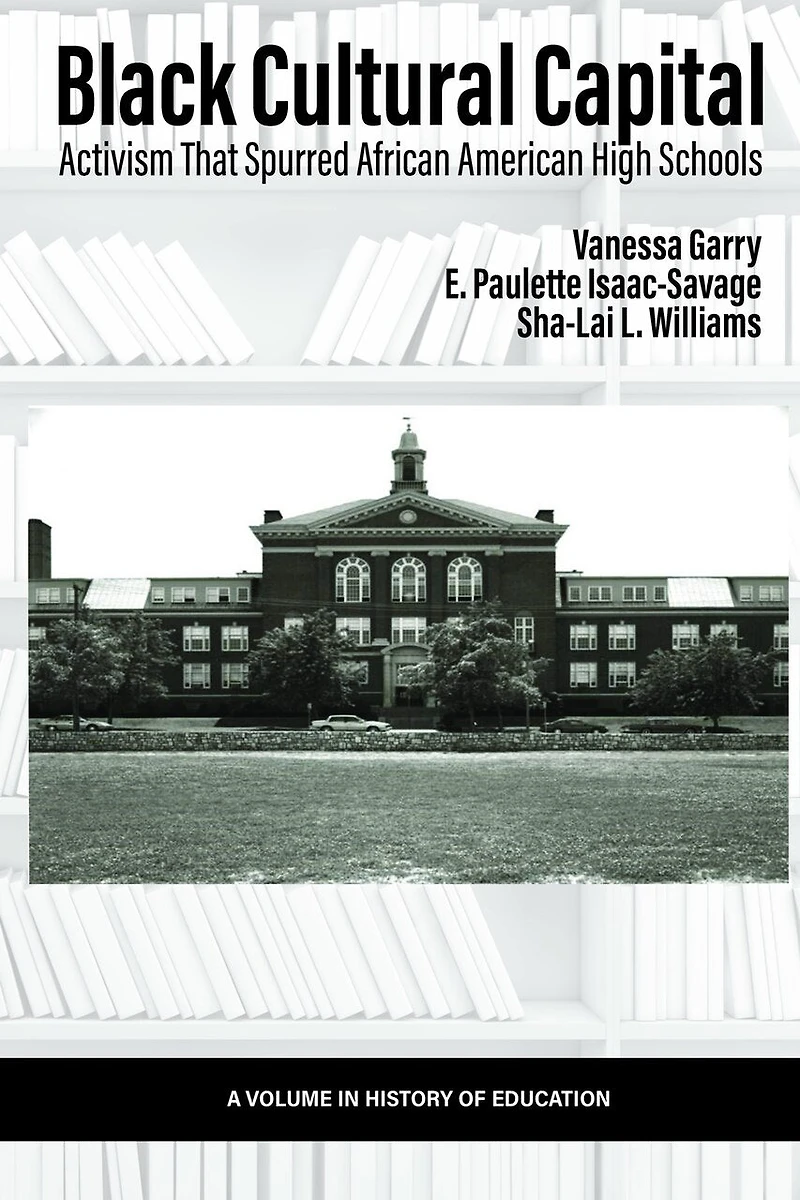

Black Cultural Capital: Activism That Spurred African American High Schools
Current price: $142.99

Black Cultural Capital: Activism That Spurred African American High Schools
Current price: $142.99
Loading Inventory...
Size: Hardcover
*Product information may vary - to confirm product availability, pricing, shipping and return information please contact Indigo
In antebellum America, Black children, even those of tax-paying Blacks in most states could not attend White public schools or in some states any schools. Nevertheless, with the signing of the Emancipation Proclamation in 1863, Blacks assumed they would receive all inalienable rights granted to them as American freedmen. For most, the right to a proper public education for their children was paramount. Nevertheless, White educators often neglected or poorly implemented Black schools, especially secondary schools. With their reluctance to provide schools for Blacks, African American communities organized and petitioned school districts to develop Black schools on par with those for Whites. In the book, Black Cultural Capital: Activism that Spurred African American High Schools, authors describe the role of the Black community in the development of high schools. Their narratives reveal White educators’ unwillingness to implement state laws requiring the education of all children. Their lack of engagement galvanized Blacks to petition boards to adhere to the law. Additionally, they forced school districts to hire Black teachers and provide facilities for Black children equal to those of White children. The fruits of their labor enabled Black children to attend suitable facilities, as well as learn from Black teachers who attended outstanding White and Black colleges and universities. Furthermore, stories of the high schools illustrate how communities sprouted up around them during their heydays as well as, for some, their demise as laws and court decisions eradicated Jim Crow and enabled all Americans to live and learn where they desired.
In antebellum America, Black children, even those of tax-paying Blacks in most states could not attend White public schools or in some states any schools. Nevertheless, with the signing of the Emancipation Proclamation in 1863, Blacks assumed they would receive all inalienable rights granted to them as American freedmen. For most, the right to a proper public education for their children was paramount. Nevertheless, White educators often neglected or poorly implemented Black schools, especially secondary schools. With their reluctance to provide schools for Blacks, African American communities organized and petitioned school districts to develop Black schools on par with those for Whites. In the book, Black Cultural Capital: Activism that Spurred African American High Schools, authors describe the role of the Black community in the development of high schools. Their narratives reveal White educators’ unwillingness to implement state laws requiring the education of all children. Their lack of engagement galvanized Blacks to petition boards to adhere to the law. Additionally, they forced school districts to hire Black teachers and provide facilities for Black children equal to those of White children. The fruits of their labor enabled Black children to attend suitable facilities, as well as learn from Black teachers who attended outstanding White and Black colleges and universities. Furthermore, stories of the high schools illustrate how communities sprouted up around them during their heydays as well as, for some, their demise as laws and court decisions eradicated Jim Crow and enabled all Americans to live and learn where they desired.
You May Also Like









More About Indigo at Erin Mills Town Centre
The largest book retailer in Canada also offers toys, music, home décor, gifts and lifestyle products. What's Inside...Books, Magazines, CD’s and DVD’s, Toys and Gifts, Home Accents, Electronics, Baby’s and Children’s Section, Bath and Body, Kitchen and Bedroom, Stationary Located outside in the exterior plaza.
5015 Glen Erin Dr, Mississauga, ON L5M 0R7, Canada
Find Indigo at Erin Mills Town Centre in Mississauga ON
Visit Indigo at Erin Mills Town Centre in Mississauga ON