

GIVE THE PERFECT GIFT
Erin Mills Town Centre Gift Cards are the perfect choice for your gift giving needs.Purchase gift cards at kiosks near the food court or centre court, at Guest Services, or click below to purchase online.PURCHASE HEREHome
Body Language: Voice, Embodiment, and Textuality in the Hebrew Bible
Indigo
Loading Inventory...
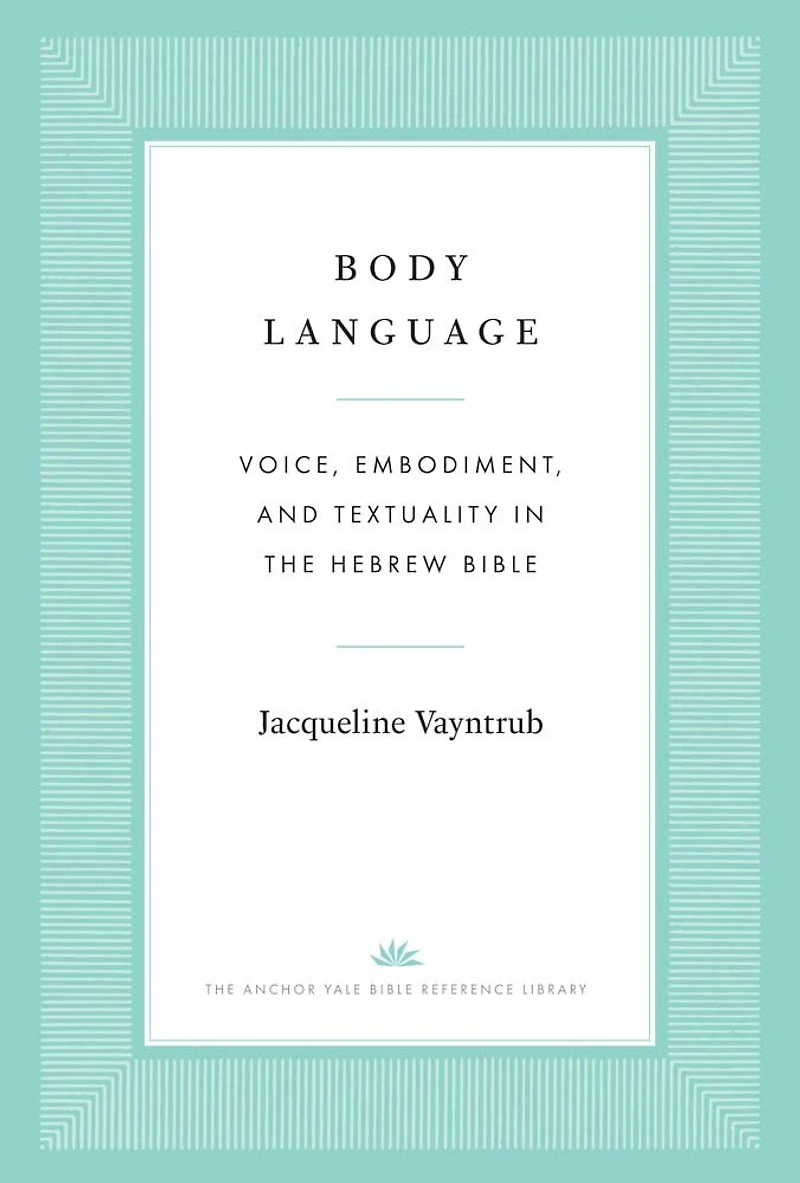
Body Language: Voice, Embodiment, and Textuality in the Hebrew Bible
Current price: $65.00

Body Language: Voice, Embodiment, and Textuality in the Hebrew Bible
Current price: $65.00
Loading Inventory...
Size: Hardcover
*Product information may vary - to confirm product availability, pricing, shipping and return information please contact Indigo
A revelatory study of embodied voice and its function in biblical texts
Performance, transmission, and corporeality were essential to ancient understandings of textuality. Far more than an aide-mémoire, written text constituted a powerful mechanism for capturing and transmitting embodied vocal presence. In this bold and provocative book, Jacqueline Vayntrub demonstrates how embedded concepts of embodied speechmaking shaped a tradition of aesthetics and interpretation in the Hebrew Bible.
For authors and readers alike, biblical texts functioned as vessels containing voices for posterity, preserving otherwise fleeting moments of performance and transporting audiences into an idealized or stylized past. Through incisive readings of passages from diverse genres and examinations of the social and material dimensions of speech in the ancient Near East, Vayntrub offers a striking reconceptualization of the biblical authors’ understanding of literary craft.
A revelatory study of embodied voice and its function in biblical texts
Performance, transmission, and corporeality were essential to ancient understandings of textuality. Far more than an aide-mémoire, written text constituted a powerful mechanism for capturing and transmitting embodied vocal presence. In this bold and provocative book, Jacqueline Vayntrub demonstrates how embedded concepts of embodied speechmaking shaped a tradition of aesthetics and interpretation in the Hebrew Bible.
For authors and readers alike, biblical texts functioned as vessels containing voices for posterity, preserving otherwise fleeting moments of performance and transporting audiences into an idealized or stylized past. Through incisive readings of passages from diverse genres and examinations of the social and material dimensions of speech in the ancient Near East, Vayntrub offers a striking reconceptualization of the biblical authors’ understanding of literary craft.
You May Also Like







More About Indigo at Erin Mills Town Centre
The largest book retailer in Canada also offers toys, music, home décor, gifts and lifestyle products. What's Inside...Books, Magazines, CD’s and DVD’s, Toys and Gifts, Home Accents, Electronics, Baby’s and Children’s Section, Bath and Body, Kitchen and Bedroom, Stationary Located outside in the exterior plaza.
5015 Glen Erin Dr, Mississauga, ON L5M 0R7, Canada
Find Indigo at Erin Mills Town Centre in Mississauga ON
Visit Indigo at Erin Mills Town Centre in Mississauga ON