

GIVE THE PERFECT GIFT
Erin Mills Town Centre Gift Cards are the perfect choice for your gift giving needs.Purchase gift cards at kiosks near the food court or centre court, at Guest Services, or click below to purchase online.PURCHASE HEREHome
Body Parts: A Theological Anthropology
Indigo
Loading Inventory...
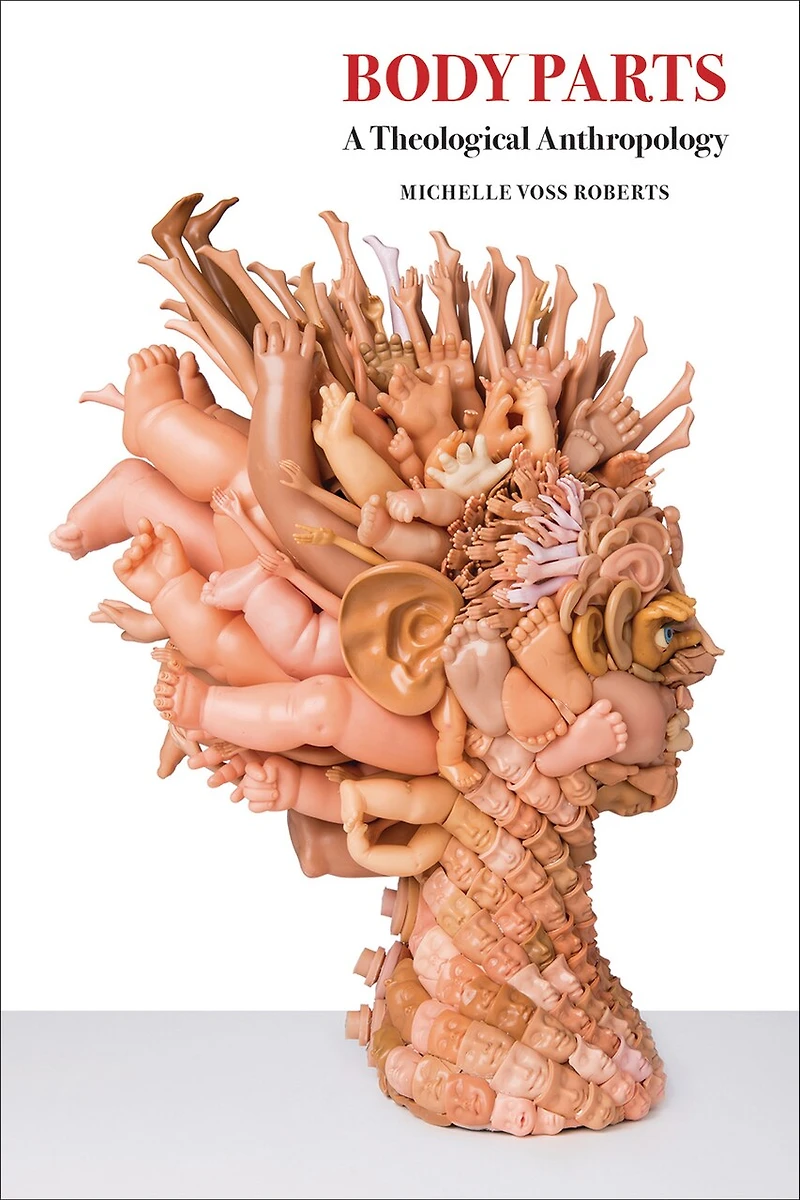
Body Parts: A Theological Anthropology
Current price: $31.19
Original price: $38.99

Body Parts: A Theological Anthropology
Current price: $31.19
Original price: $38.99
Loading Inventory...
Size: Kobo eBook
*Product information may vary - to confirm product availability, pricing, shipping and return information please contact Indigo
Christians have traditionally claimed that humans are created in the image of God ( imago Dei ), but they have consistently defined that image in ways that exclude people from full humanity. The most well-known definition locates the image in the rational soul, which is constructed in such a way that women, children, and many persons with disabilities are found deficient. Body Parts claims the importance of embodiment, difference, and limitation--not only as descriptions of the human condition but also as part of the imago Dei itself. This thesis is inspired by a parallel claim in an Indian tradition that posits the reflection of the divine body in humanity. Its thirty-six parts invite Christians to consider how consciousness, limitations, mental and emotional capacities, organs of sensation and action, and elements are reflections of divinity. Each chapter pursues openings in the Christian theological tradition in order to imagine these sets of "body parts" as the image of God.
Christians have traditionally claimed that humans are created in the image of God ( imago Dei ), but they have consistently defined that image in ways that exclude people from full humanity. The most well-known definition locates the image in the rational soul, which is constructed in such a way that women, children, and many persons with disabilities are found deficient. Body Parts claims the importance of embodiment, difference, and limitation--not only as descriptions of the human condition but also as part of the imago Dei itself. This thesis is inspired by a parallel claim in an Indian tradition that posits the reflection of the divine body in humanity. Its thirty-six parts invite Christians to consider how consciousness, limitations, mental and emotional capacities, organs of sensation and action, and elements are reflections of divinity. Each chapter pursues openings in the Christian theological tradition in order to imagine these sets of "body parts" as the image of God.









More About Indigo at Erin Mills Town Centre
The largest book retailer in Canada also offers toys, music, home décor, gifts and lifestyle products. What's Inside...Books, Magazines, CD’s and DVD’s, Toys and Gifts, Home Accents, Electronics, Baby’s and Children’s Section, Bath and Body, Kitchen and Bedroom, Stationary Located outside in the exterior plaza.
5015 Glen Erin Dr, Mississauga, ON L5M 0R7, Canada
Find Indigo at Erin Mills Town Centre in Mississauga ON
Visit Indigo at Erin Mills Town Centre in Mississauga ON