

GIVE THE PERFECT GIFT
Erin Mills Town Centre Gift Cards are the perfect choice for your gift giving needs.Purchase gift cards at kiosks near the food court or centre court, at Guest Services, or click below to purchase online.PURCHASE HEREHome
Border Optics: Surveillance Cultures on the US-Mexico Frontier
Indigo
Loading Inventory...
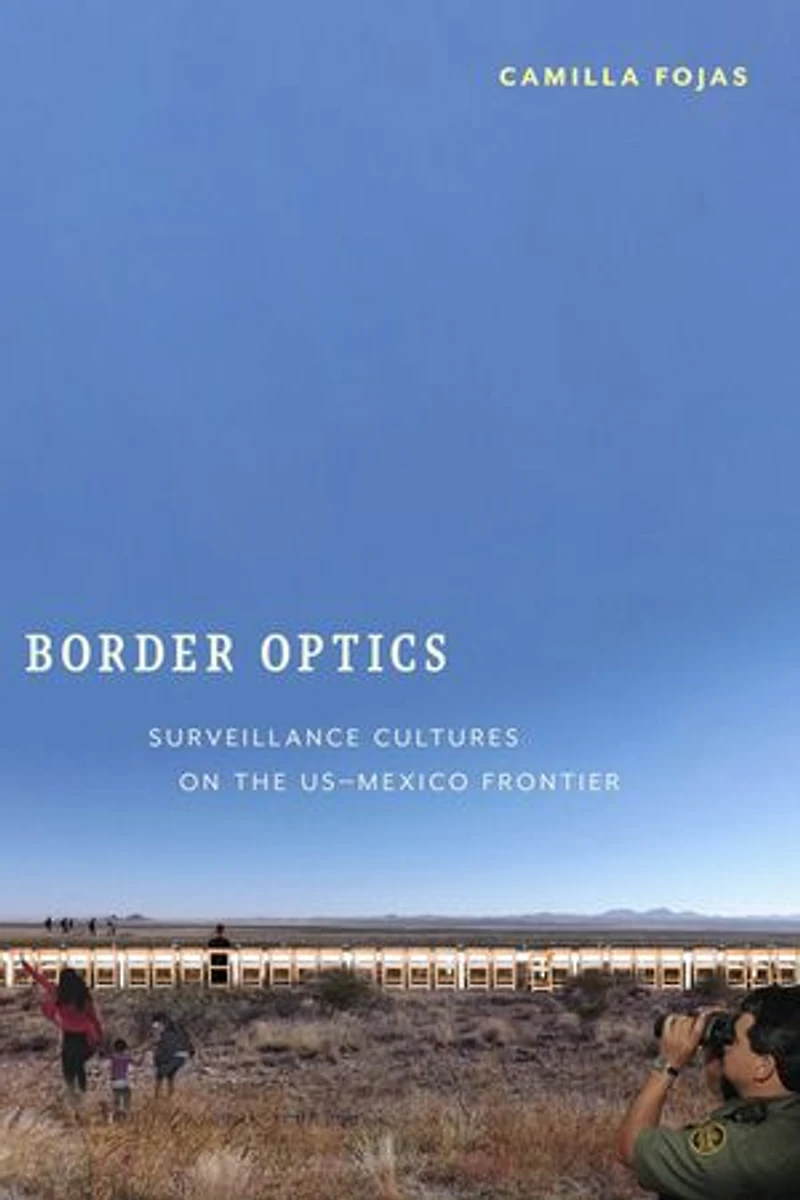
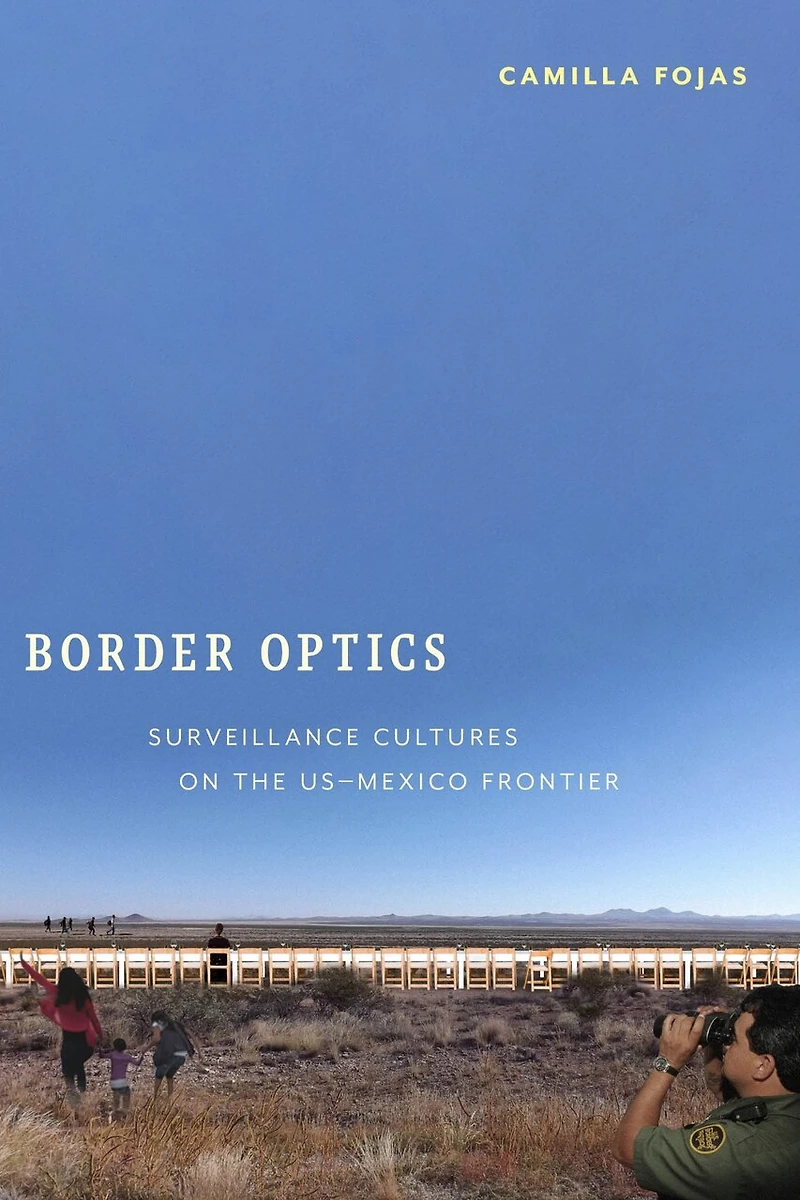
Border Optics: Surveillance Cultures on the US-Mexico Frontier
Current price: $22.89
Original price: $28.50

Border Optics: Surveillance Cultures on the US-Mexico Frontier
Current price: $22.89
Original price: $28.50
Loading Inventory...
Size: Kobo eBook
*Product information may vary - to confirm product availability, pricing, shipping and return information please contact Indigo
Examines how the US-Mexico border is seen through visual codes of surveillance
When Donald Trump promised to ?build a wall? on the U.S.-Mexico border, both supporters and opponents visualized a snaking barrier of concrete cleaving through nearly two thousand miles of arid desert. Though only 4 percent of the US population lives in proximity to the border, imagining what the wall would look like came easily to most Americans, in part because of how images of the border are reproduced and circulated for national audiences.
Border Optics considers the US-Mexico border as one of the most visualized and imagined spaces in the US. As a place of continual crisis, permanent visibility, and territorial defense, the border is rendered as a layered visual space of policing?one that is seen from watchtowers, camera-mounted vehicles, helicopters, surveillance balloons, radar systems, unmanned aerial vehicles, and live streaming websites. It is also a space that is visualized across various forms and genres of media, from maps to geographical surveys, military strategic plans, illustrations, photographs, postcards, novels, film, and television, which combine fascination with the region with the visual codes of surveillance and survey.
Border Optics elaborates on the expanded vision of the border as a consequence of the interface of militarism, technology, and media. Camilla Fojas describes how the perception of the viewing public is controlled through a booming security-industrial complex made up of entertainment media, local and federal police, prisons and detention centers, the aerospace industry, and all manner of security technology industries. The first study to examine visual codes of surveillance within an analysis of the history and culture of the border region, Border Optics is an innovative and groundbreaking examination of security cultures, race, gender, and colonialism.
Examines how the US-Mexico border is seen through visual codes of surveillance
When Donald Trump promised to ?build a wall? on the U.S.-Mexico border, both supporters and opponents visualized a snaking barrier of concrete cleaving through nearly two thousand miles of arid desert. Though only 4 percent of the US population lives in proximity to the border, imagining what the wall would look like came easily to most Americans, in part because of how images of the border are reproduced and circulated for national audiences.
Border Optics considers the US-Mexico border as one of the most visualized and imagined spaces in the US. As a place of continual crisis, permanent visibility, and territorial defense, the border is rendered as a layered visual space of policing?one that is seen from watchtowers, camera-mounted vehicles, helicopters, surveillance balloons, radar systems, unmanned aerial vehicles, and live streaming websites. It is also a space that is visualized across various forms and genres of media, from maps to geographical surveys, military strategic plans, illustrations, photographs, postcards, novels, film, and television, which combine fascination with the region with the visual codes of surveillance and survey.
Border Optics elaborates on the expanded vision of the border as a consequence of the interface of militarism, technology, and media. Camilla Fojas describes how the perception of the viewing public is controlled through a booming security-industrial complex made up of entertainment media, local and federal police, prisons and detention centers, the aerospace industry, and all manner of security technology industries. The first study to examine visual codes of surveillance within an analysis of the history and culture of the border region, Border Optics is an innovative and groundbreaking examination of security cultures, race, gender, and colonialism.
You May Also Like

















More About Indigo at Erin Mills Town Centre
The largest book retailer in Canada also offers toys, music, home décor, gifts and lifestyle products. What's Inside...Books, Magazines, CD’s and DVD’s, Toys and Gifts, Home Accents, Electronics, Baby’s and Children’s Section, Bath and Body, Kitchen and Bedroom, Stationary Located outside in the exterior plaza.
5015 Glen Erin Dr, Mississauga, ON L5M 0R7, Canada
Find Indigo at Erin Mills Town Centre in Mississauga ON
Visit Indigo at Erin Mills Town Centre in Mississauga ON