

GIVE THE PERFECT GIFT
Erin Mills Town Centre Gift Cards are the perfect choice for your gift giving needs.Purchase gift cards at kiosks near the food court or centre court, at Guest Services, or click below to purchase online.PURCHASE HEREHome
Border Rhetorics: Citizenship and Identity on the US-Mexico Frontier
Indigo
Loading Inventory...
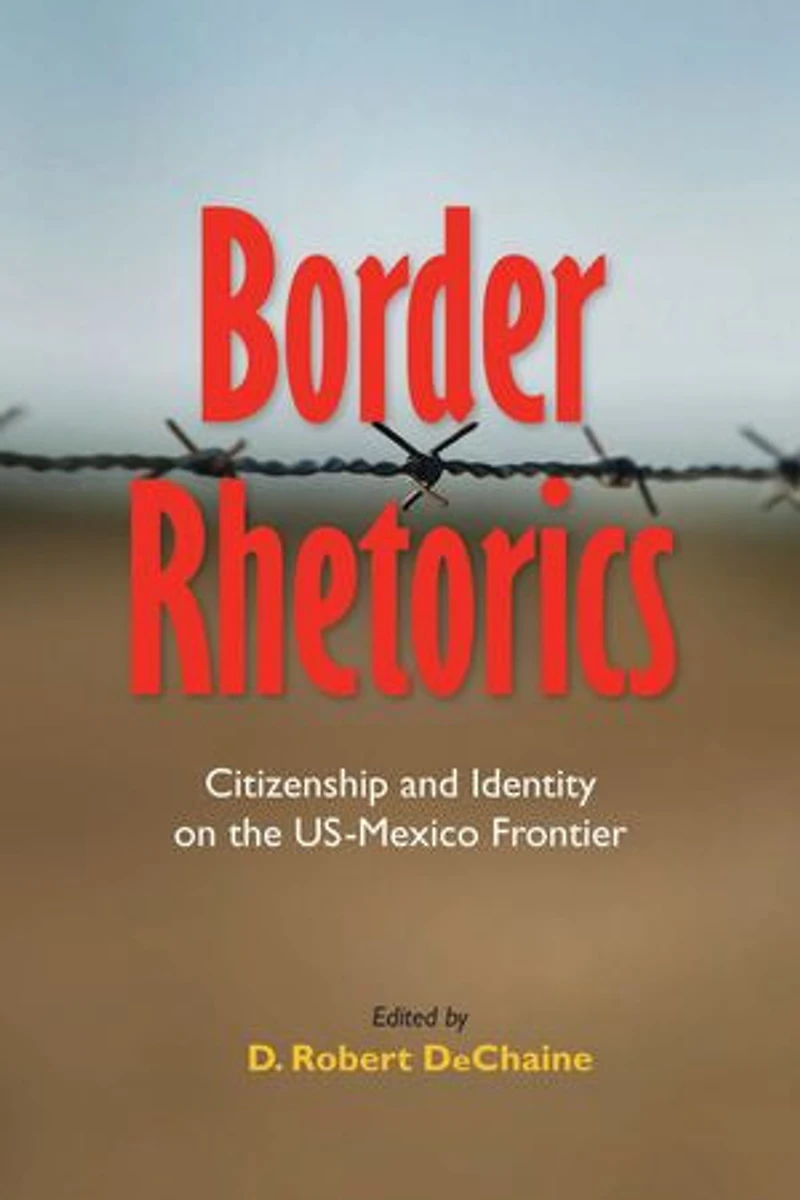
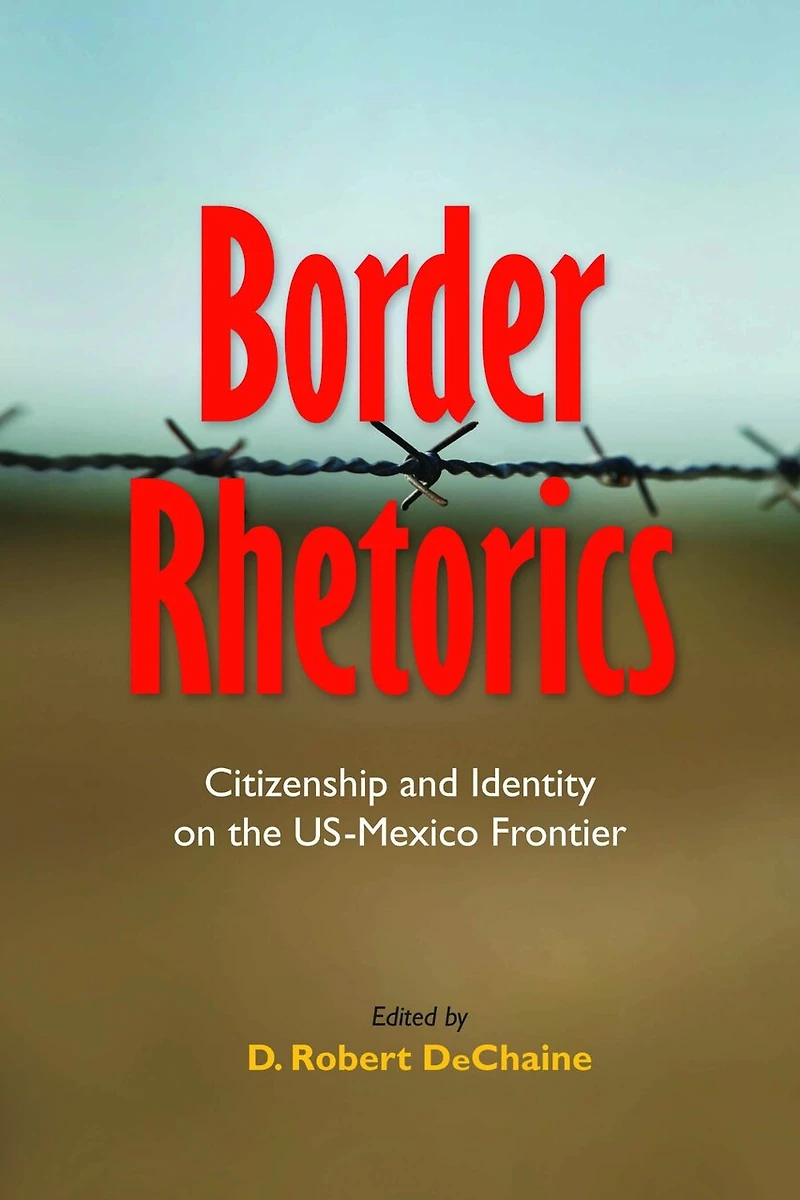
Border Rhetorics: Citizenship and Identity on the US-Mexico Frontier
Current price: $37.99
Original price: $47.43

Border Rhetorics: Citizenship and Identity on the US-Mexico Frontier
Current price: $37.99
Original price: $47.43
Loading Inventory...
Size: Kobo eBook
*Product information may vary - to confirm product availability, pricing, shipping and return information please contact Indigo
Undertakes a wide-ranging examination of the US-Mexico border as it functions in the rhetorical production of civic unity in the United States
A "border" is a powerful and versatile concept, variously invoked as the delineation of geographical territories, as a judicial marker of citizenship, and as an ideological trope for defining inclusion and exclusion. It has implications for both the empowerment and subjugation of any given populace. Both real and imagined, the border separates a zone of physical and symbolic exchange whose geographical, political, economic, and cultural interactions bear profoundly on popular understandings and experiences of citizenship and identity.
The border's rhetorical significance is nowhere more apparent, nor its effects more concentrated, than on the frontier between the United States and Mexico. Often understood as an unruly boundary in dire need of containment from the ravages of criminals, illegal aliens, and other undesirable threats to the national body, this geopolitical locus exemplifies how normative constructions of "proper"; border relations reinforce definitions of US citizenship, which in turn can lead to anxiety, unrest, and violence centered around the struggle to define what it means to be a member of a national political community.
Undertakes a wide-ranging examination of the US-Mexico border as it functions in the rhetorical production of civic unity in the United States
A "border" is a powerful and versatile concept, variously invoked as the delineation of geographical territories, as a judicial marker of citizenship, and as an ideological trope for defining inclusion and exclusion. It has implications for both the empowerment and subjugation of any given populace. Both real and imagined, the border separates a zone of physical and symbolic exchange whose geographical, political, economic, and cultural interactions bear profoundly on popular understandings and experiences of citizenship and identity.
The border's rhetorical significance is nowhere more apparent, nor its effects more concentrated, than on the frontier between the United States and Mexico. Often understood as an unruly boundary in dire need of containment from the ravages of criminals, illegal aliens, and other undesirable threats to the national body, this geopolitical locus exemplifies how normative constructions of "proper"; border relations reinforce definitions of US citizenship, which in turn can lead to anxiety, unrest, and violence centered around the struggle to define what it means to be a member of a national political community.
You May Also Like










More About Indigo at Erin Mills Town Centre
The largest book retailer in Canada also offers toys, music, home décor, gifts and lifestyle products. What's Inside...Books, Magazines, CD’s and DVD’s, Toys and Gifts, Home Accents, Electronics, Baby’s and Children’s Section, Bath and Body, Kitchen and Bedroom, Stationary Located outside in the exterior plaza.
5015 Glen Erin Dr, Mississauga, ON L5M 0R7, Canada
Find Indigo at Erin Mills Town Centre in Mississauga ON
Visit Indigo at Erin Mills Town Centre in Mississauga ON