

GIVE THE PERFECT GIFT
Erin Mills Town Centre Gift Cards are the perfect choice for your gift giving needs.Purchase gift cards at kiosks near the food court or centre court, at Guest Services, or click below to purchase online.PURCHASE HEREHome
Borderlands European History: Essays from the Edge of World
Indigo
Loading Inventory...

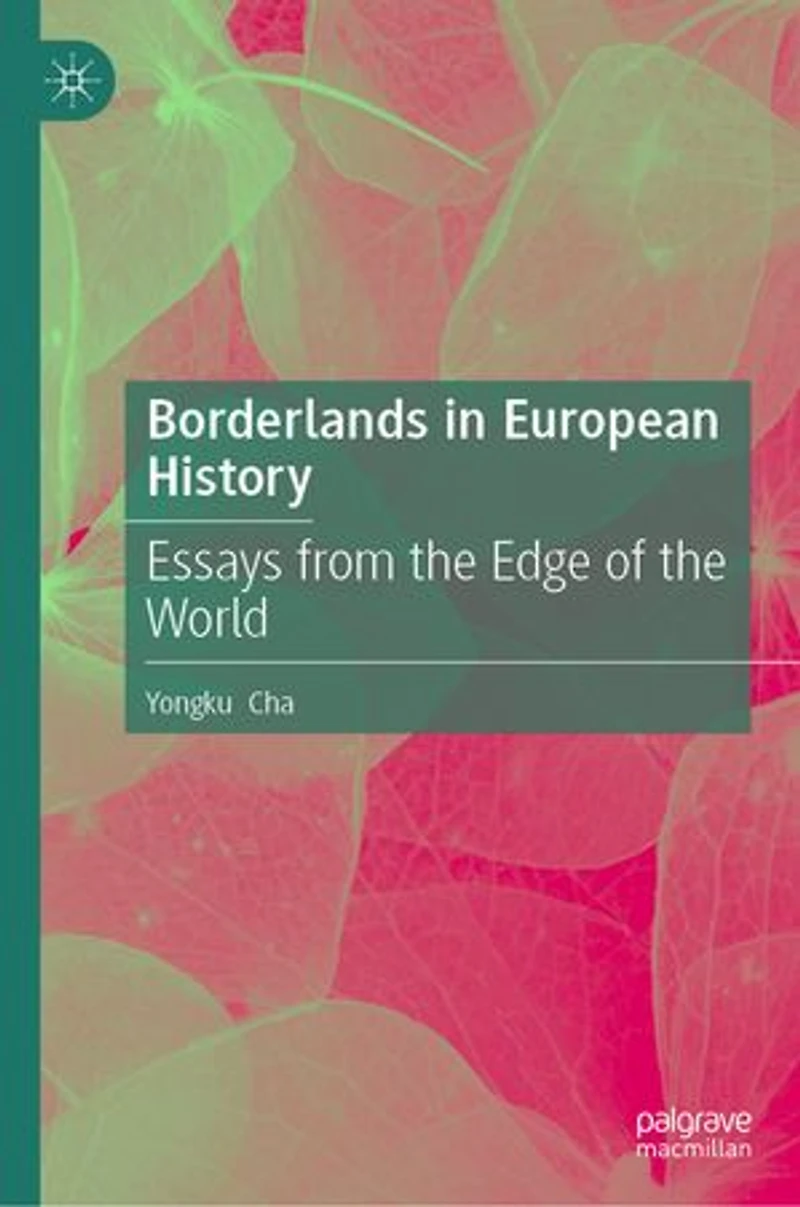
Borderlands European History: Essays from the Edge of World
Current price: $204.50

Borderlands European History: Essays from the Edge of World
Current price: $204.50
Loading Inventory...
Size: Hardcover
*Product information may vary - to confirm product availability, pricing, shipping and return information please contact Indigo
Borders are frequently conceived as defensive lines-rigid edges of sovereignty, fortified margins, or hotspots of conflict. This book challenges that assumption. By rethinking borders not as barriers but as dynamic spaces of encounter, it redefines the very foundations of border studies as a historical discipline. Focusing on Europe and its colonial territories across both pre-modern and modern eras, the author demonstrates how borderlands have repeatedly served as sites of exchange, negotiation, and creativity. Far from being static peripheries, these regions have produced hybrid identities, fostered transboundary solidarities, and yielded unexpected responses in moments of crisis. Through vivid historical examples, the book shows that borders often become generative centers-places where new ideas, communities, and forms of coexistence emerge. Clear, compelling, and rigorously researched, this book offers a crucial corrective to traditional border scholarship. It urges readers to rethink how borders have operated across history, how they have shaped human lives, and why their significance endures today. In a world that witnessed the extraordinary border closures of COVID-19, this work provides a timely and necessary opportunity to reflect anew on what borders truly mean.
Borders are frequently conceived as defensive lines-rigid edges of sovereignty, fortified margins, or hotspots of conflict. This book challenges that assumption. By rethinking borders not as barriers but as dynamic spaces of encounter, it redefines the very foundations of border studies as a historical discipline. Focusing on Europe and its colonial territories across both pre-modern and modern eras, the author demonstrates how borderlands have repeatedly served as sites of exchange, negotiation, and creativity. Far from being static peripheries, these regions have produced hybrid identities, fostered transboundary solidarities, and yielded unexpected responses in moments of crisis. Through vivid historical examples, the book shows that borders often become generative centers-places where new ideas, communities, and forms of coexistence emerge. Clear, compelling, and rigorously researched, this book offers a crucial corrective to traditional border scholarship. It urges readers to rethink how borders have operated across history, how they have shaped human lives, and why their significance endures today. In a world that witnessed the extraordinary border closures of COVID-19, this work provides a timely and necessary opportunity to reflect anew on what borders truly mean.
You May Also Like










More About Indigo at Erin Mills Town Centre
The largest book retailer in Canada also offers toys, music, home décor, gifts and lifestyle products. What's Inside...Books, Magazines, CD’s and DVD’s, Toys and Gifts, Home Accents, Electronics, Baby’s and Children’s Section, Bath and Body, Kitchen and Bedroom, Stationary Located outside in the exterior plaza.
5015 Glen Erin Dr, Mississauga, ON L5M 0R7, Canada
Find Indigo at Erin Mills Town Centre in Mississauga ON
Visit Indigo at Erin Mills Town Centre in Mississauga ON