

GIVE THE PERFECT GIFT
Erin Mills Town Centre Gift Cards are the perfect choice for your gift giving needs.Purchase gift cards at kiosks near the food court or centre court, at Guest Services, or click below to purchase online.PURCHASE HEREHome
Boundary Control: Subnational Authoritarianism Federal Democracies
Indigo
Loading Inventory...
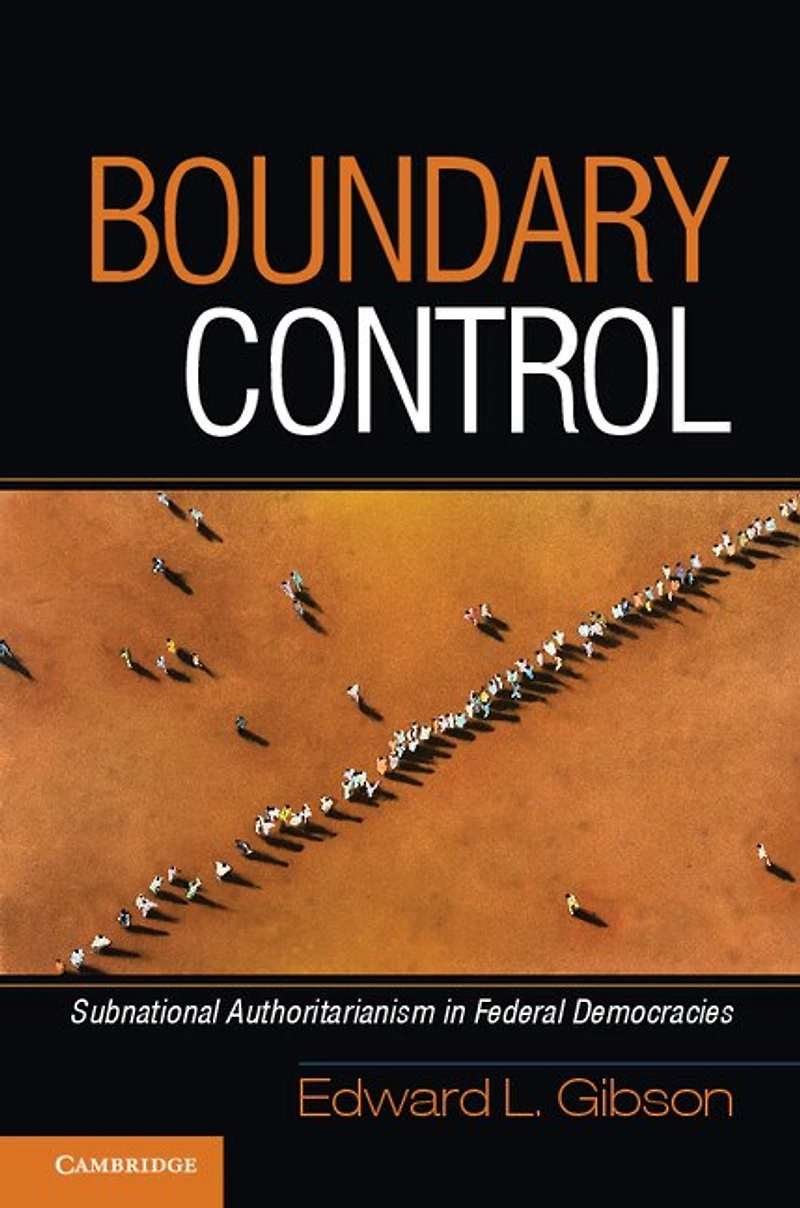
Boundary Control: Subnational Authoritarianism Federal Democracies
Current price: $132.95

Boundary Control: Subnational Authoritarianism Federal Democracies
Current price: $132.95
Loading Inventory...
Size: Hardcover
*Product information may vary - to confirm product availability, pricing, shipping and return information please contact Indigo
The democratization of a national government is only a first step in the diffusion of democracy throughout a country's territory. Even after a national government is democratized, subnational authoritarian “enclaves” often continue to deny rights to citizens of local jurisdictions. Edward L. Gibson offers new theoretical perspectives for the study of democratization in his exploration of this phenomenon. His theory of “boundary control” captures the conflict pattern between incumbents and oppositions when a national democratic government exists alongside authoritarian provinces (or “states”). He also reveals how federalism and the territorial organization of countries shape how subnational authoritarian regimes are built and how they unravel. Through a novel comparison of the late nineteenth-century American “Solid South” with contemporary experiences in Argentina and Mexico, Gibson reveals that the mechanisms of boundary control are reproduced across countries and historical periods. As long as subnational authoritarian governments coexist with national democratic governments, boundary control will be at play.
The democratization of a national government is only a first step in the diffusion of democracy throughout a country's territory. Even after a national government is democratized, subnational authoritarian “enclaves” often continue to deny rights to citizens of local jurisdictions. Edward L. Gibson offers new theoretical perspectives for the study of democratization in his exploration of this phenomenon. His theory of “boundary control” captures the conflict pattern between incumbents and oppositions when a national democratic government exists alongside authoritarian provinces (or “states”). He also reveals how federalism and the territorial organization of countries shape how subnational authoritarian regimes are built and how they unravel. Through a novel comparison of the late nineteenth-century American “Solid South” with contemporary experiences in Argentina and Mexico, Gibson reveals that the mechanisms of boundary control are reproduced across countries and historical periods. As long as subnational authoritarian governments coexist with national democratic governments, boundary control will be at play.
You May Also Like











More About Indigo at Erin Mills Town Centre
The largest book retailer in Canada also offers toys, music, home décor, gifts and lifestyle products. What's Inside...Books, Magazines, CD’s and DVD’s, Toys and Gifts, Home Accents, Electronics, Baby’s and Children’s Section, Bath and Body, Kitchen and Bedroom, Stationary Located outside in the exterior plaza.
5015 Glen Erin Dr, Mississauga, ON L5M 0R7, Canada
Find Indigo at Erin Mills Town Centre in Mississauga ON
Visit Indigo at Erin Mills Town Centre in Mississauga ON