

GIVE THE PERFECT GIFT
Erin Mills Town Centre Gift Cards are the perfect choice for your gift giving needs.Purchase gift cards at kiosks near the food court or centre court, at Guest Services, or click below to purchase online.PURCHASE HEREHome
Bounded Integration: The Religion-State Relationship and Democratic Performance Turkey Israel
Indigo
Loading Inventory...
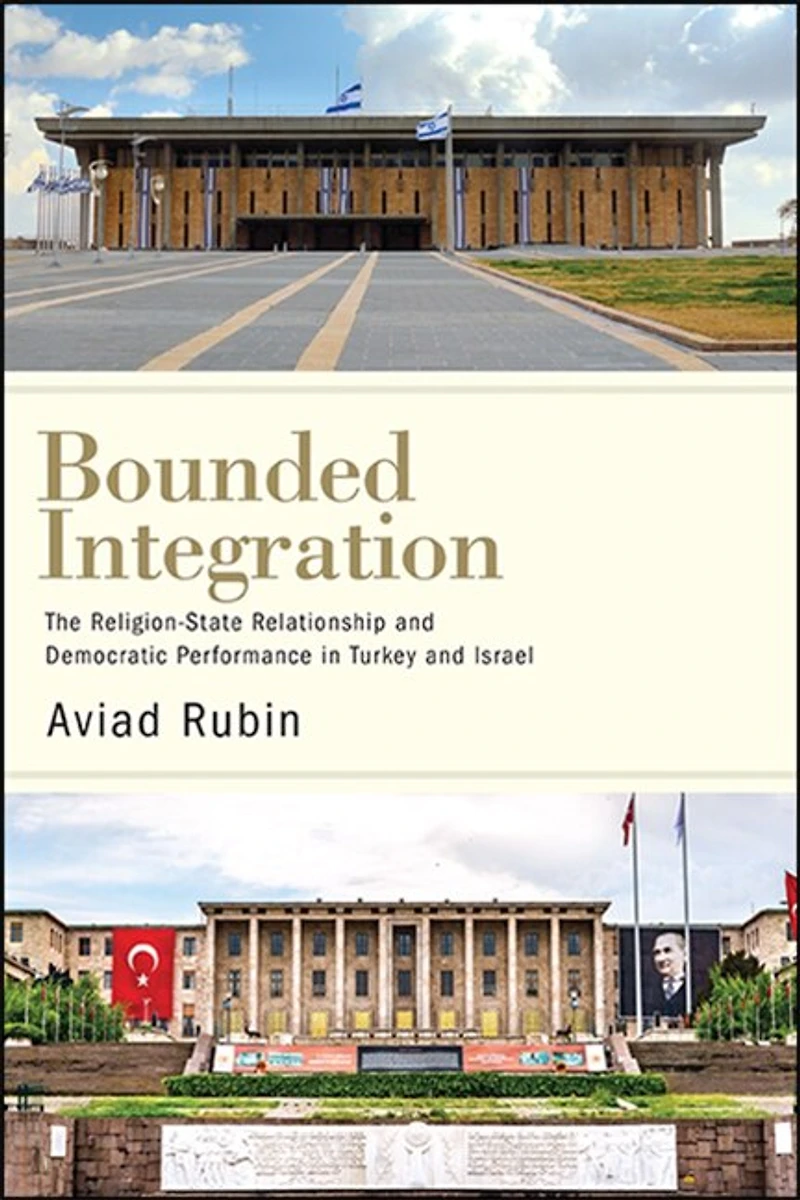
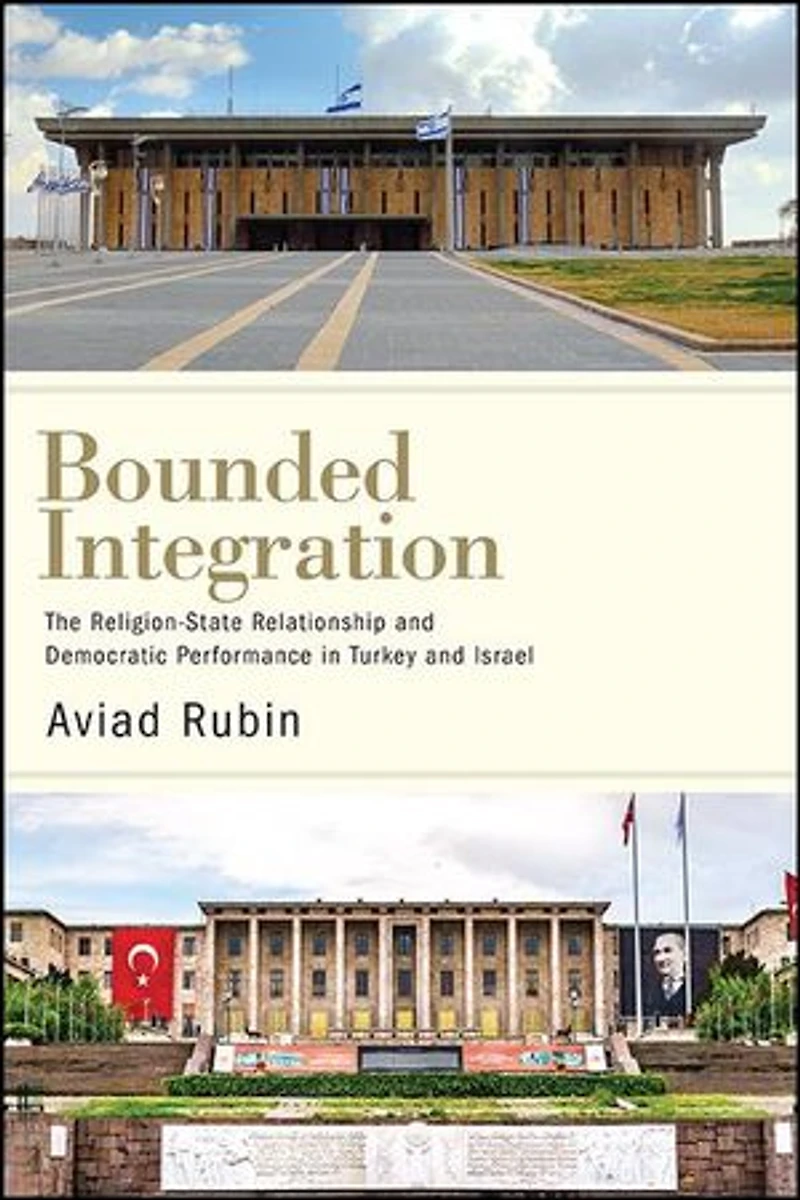
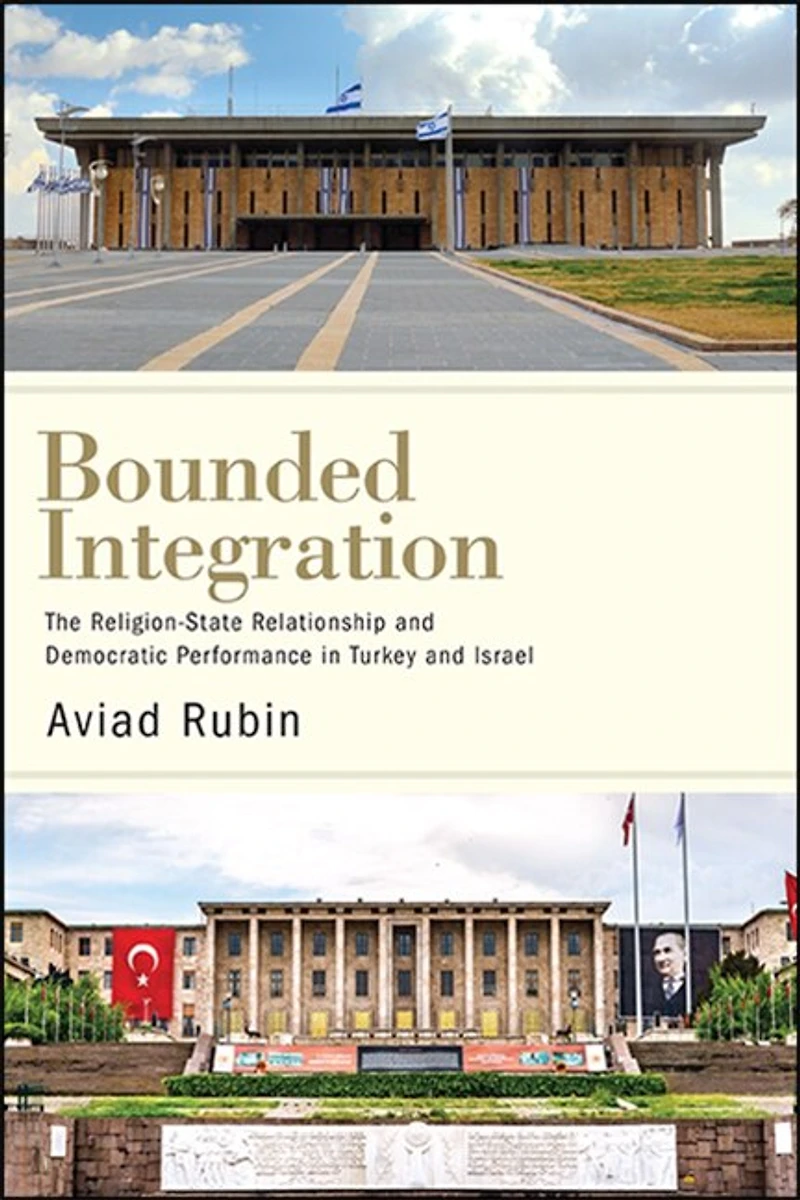
Bounded Integration: The Religion-State Relationship and Democratic Performance Turkey Israel
Current price: $135.95

Bounded Integration: The Religion-State Relationship and Democratic Performance Turkey Israel
Current price: $135.95
Loading Inventory...
Size: Hardcover
*Product information may vary - to confirm product availability, pricing, shipping and return information please contact Indigo
reveals the influence this dynamic interaction has had on democratic performance in both countries. In societies where a dominant religion serves as an important component of individual and collective identity, the imposition of secular policies from above may not facilitate democratization but may rather impede the embedding of democracy in society. Moreover, the inclusion or exclusion of religion following statehood may facilitate a certain type of path-dependent political culture, one with long-term political consequences. Aviad Rubin's refreshing analytical approach comparing and contrasting the region's only two longstanding democratic entities and the dynamics of religion and the state in two different religions, Islam and Judaism, facilitates generalizable lessons for emergent political regimes in the post–Arab Spring Middle East.
reveals the influence this dynamic interaction has had on democratic performance in both countries. In societies where a dominant religion serves as an important component of individual and collective identity, the imposition of secular policies from above may not facilitate democratization but may rather impede the embedding of democracy in society. Moreover, the inclusion or exclusion of religion following statehood may facilitate a certain type of path-dependent political culture, one with long-term political consequences. Aviad Rubin's refreshing analytical approach comparing and contrasting the region's only two longstanding democratic entities and the dynamics of religion and the state in two different religions, Islam and Judaism, facilitates generalizable lessons for emergent political regimes in the post–Arab Spring Middle East.
You May Also Like








More About Indigo at Erin Mills Town Centre
The largest book retailer in Canada also offers toys, music, home décor, gifts and lifestyle products. What's Inside...Books, Magazines, CD’s and DVD’s, Toys and Gifts, Home Accents, Electronics, Baby’s and Children’s Section, Bath and Body, Kitchen and Bedroom, Stationary Located outside in the exterior plaza.
5015 Glen Erin Dr, Mississauga, ON L5M 0R7, Canada
Find Indigo at Erin Mills Town Centre in Mississauga ON
Visit Indigo at Erin Mills Town Centre in Mississauga ON