

GIVE THE PERFECT GIFT
Erin Mills Town Centre Gift Cards are the perfect choice for your gift giving needs.Purchase gift cards at kiosks near the food court or centre court, at Guest Services, or click below to purchase online.PURCHASE HEREHome
Brain and Lung Crosstalk
Indigo
Loading Inventory...
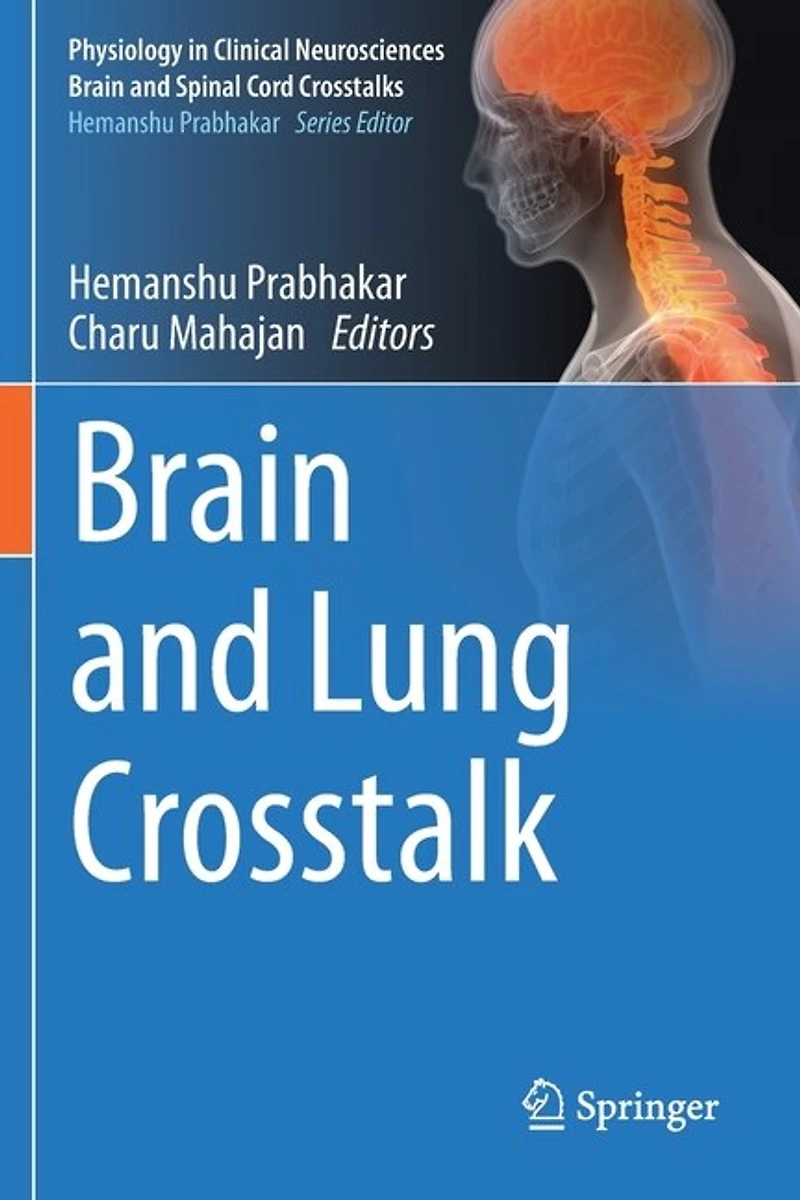
Brain and Lung Crosstalk
Current price: $160.95

Brain and Lung Crosstalk
Current price: $160.95
Loading Inventory...
Size: Paperback
*Product information may vary - to confirm product availability, pricing, shipping and return information please contact Indigo
The central nervous system, which includes the brain and spinal cord, has a high metabolic demand. The physiology of the brain is such that it is easily affected by alterations in other systems, which in turn can compromise cerebral blood flow and oxygenation. Together the brain and spinal cord control the automatic function of our body systems. While other systems of body controls individual functions, central nervous system at the same time does many different functions, especially, controlling the function of other systems. This interaction between the brain and other systems is important when it comes to understanding how injuries to the brain can, at times, produce complications in remote organs or systems of the body, such as the lungs. This book explains the lesser-known crosstalks between acutely or chronically affected brain and lung, describing the pathophysiology of the lung following brain injury and discussing in detail the conflicts between the brain and lungs in relation to the tidal volumes, positive end-expiratory pressures, arterial carbon dioxide and oxygen levels, recruitment maneuvers and positioning, as well as potential therapeutic targets.
The central nervous system, which includes the brain and spinal cord, has a high metabolic demand. The physiology of the brain is such that it is easily affected by alterations in other systems, which in turn can compromise cerebral blood flow and oxygenation. Together the brain and spinal cord control the automatic function of our body systems. While other systems of body controls individual functions, central nervous system at the same time does many different functions, especially, controlling the function of other systems. This interaction between the brain and other systems is important when it comes to understanding how injuries to the brain can, at times, produce complications in remote organs or systems of the body, such as the lungs. This book explains the lesser-known crosstalks between acutely or chronically affected brain and lung, describing the pathophysiology of the lung following brain injury and discussing in detail the conflicts between the brain and lungs in relation to the tidal volumes, positive end-expiratory pressures, arterial carbon dioxide and oxygen levels, recruitment maneuvers and positioning, as well as potential therapeutic targets.
You May Also Like














More About Indigo at Erin Mills Town Centre
The largest book retailer in Canada also offers toys, music, home décor, gifts and lifestyle products. What's Inside...Books, Magazines, CD’s and DVD’s, Toys and Gifts, Home Accents, Electronics, Baby’s and Children’s Section, Bath and Body, Kitchen and Bedroom, Stationary Located outside in the exterior plaza.
5015 Glen Erin Dr, Mississauga, ON L5M 0R7, Canada
Find Indigo at Erin Mills Town Centre in Mississauga ON
Visit Indigo at Erin Mills Town Centre in Mississauga ON