

GIVE THE PERFECT GIFT
Erin Mills Town Centre Gift Cards are the perfect choice for your gift giving needs.Purchase gift cards at kiosks near the food court or centre court, at Guest Services, or click below to purchase online.PURCHASE HEREHome
Brazilian Mobilities
Indigo
Loading Inventory...
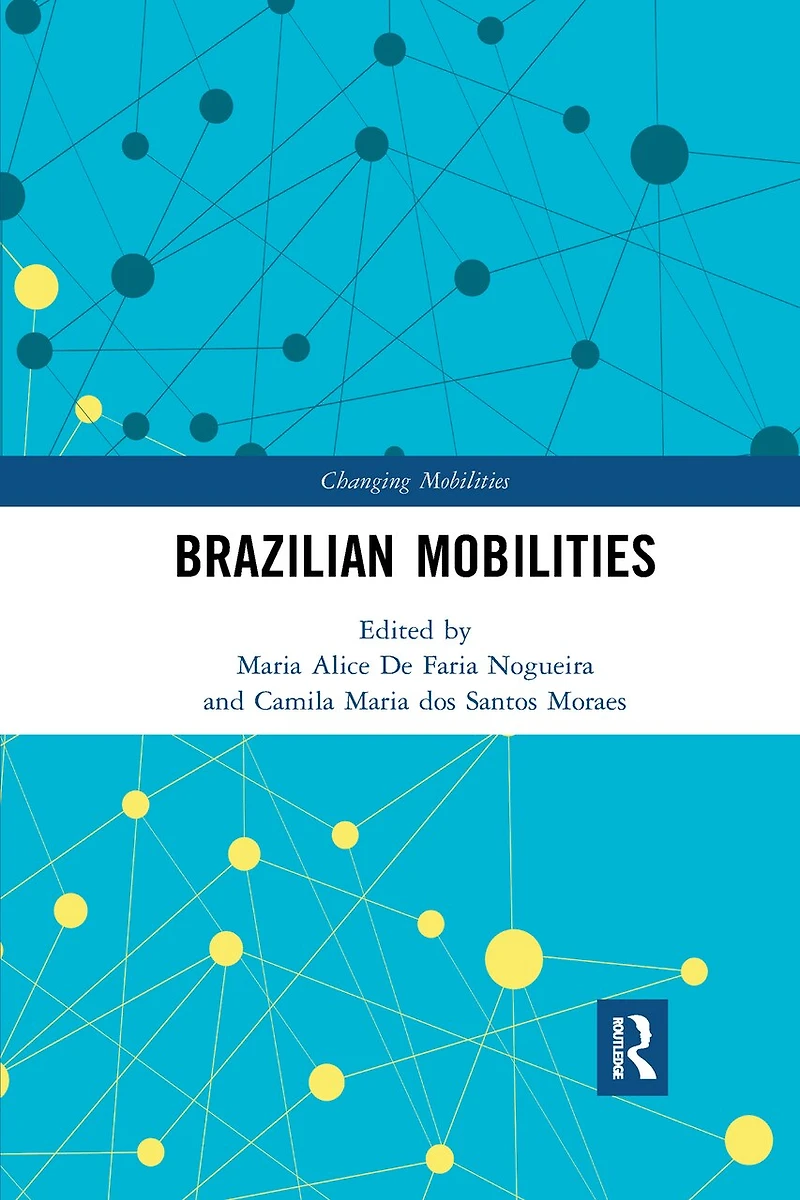
Brazilian Mobilities
Current price: $81.42

Brazilian Mobilities
Current price: $81.42
Loading Inventory...
Size: Kobo eBook
*Product information may vary - to confirm product availability, pricing, shipping and return information please contact Indigo
Brazilian Mobilities presents an overview of the diversity of mobility studies developed in Brazil. It builds a picture of a strong Latin-American perspective emerging in the field of mobilities research, which provides unique insight into the complex dynamics of mobilities in the emerging countries from the Global South.
Addressing such different areas as tourism, urbanization, media studies, social inequalities, marketing and mega-events, transport and technology, among others, the contributors use the new mobilities paradigm, or NMP (Sheller & Urry, 2006) as a starting point to reflect about the social changes experienced in the country and they also engage with newer literature on mobilities, including work done by Brazilian and Latin-American authors depending on the subject of each individual chapter.
Illustrating to scholars the uniqueness and complexity of the Brazilian social-political and economic context, the book was organized in order to be a representative sample of the studies carried out in Brazil, as well as to contribute to other academic investigations on (im)mobilities and different social realities in emerging countries.
Brazilian Mobilities presents an overview of the diversity of mobility studies developed in Brazil. It builds a picture of a strong Latin-American perspective emerging in the field of mobilities research, which provides unique insight into the complex dynamics of mobilities in the emerging countries from the Global South.
Addressing such different areas as tourism, urbanization, media studies, social inequalities, marketing and mega-events, transport and technology, among others, the contributors use the new mobilities paradigm, or NMP (Sheller & Urry, 2006) as a starting point to reflect about the social changes experienced in the country and they also engage with newer literature on mobilities, including work done by Brazilian and Latin-American authors depending on the subject of each individual chapter.
Illustrating to scholars the uniqueness and complexity of the Brazilian social-political and economic context, the book was organized in order to be a representative sample of the studies carried out in Brazil, as well as to contribute to other academic investigations on (im)mobilities and different social realities in emerging countries.
You May Also Like







More About Indigo at Erin Mills Town Centre
The largest book retailer in Canada also offers toys, music, home décor, gifts and lifestyle products. What's Inside...Books, Magazines, CD’s and DVD’s, Toys and Gifts, Home Accents, Electronics, Baby’s and Children’s Section, Bath and Body, Kitchen and Bedroom, Stationary Located outside in the exterior plaza.
5015 Glen Erin Dr, Mississauga, ON L5M 0R7, Canada
Find Indigo at Erin Mills Town Centre in Mississauga ON
Visit Indigo at Erin Mills Town Centre in Mississauga ON