

GIVE THE PERFECT GIFT
Erin Mills Town Centre Gift Cards are the perfect choice for your gift giving needs.Purchase gift cards at kiosks near the food court or centre court, at Guest Services, or click below to purchase online.PURCHASE HEREHome
Brazilian Socio-Economic Dynamics: Contexts and Contemporary Realities
Indigo
Loading Inventory...
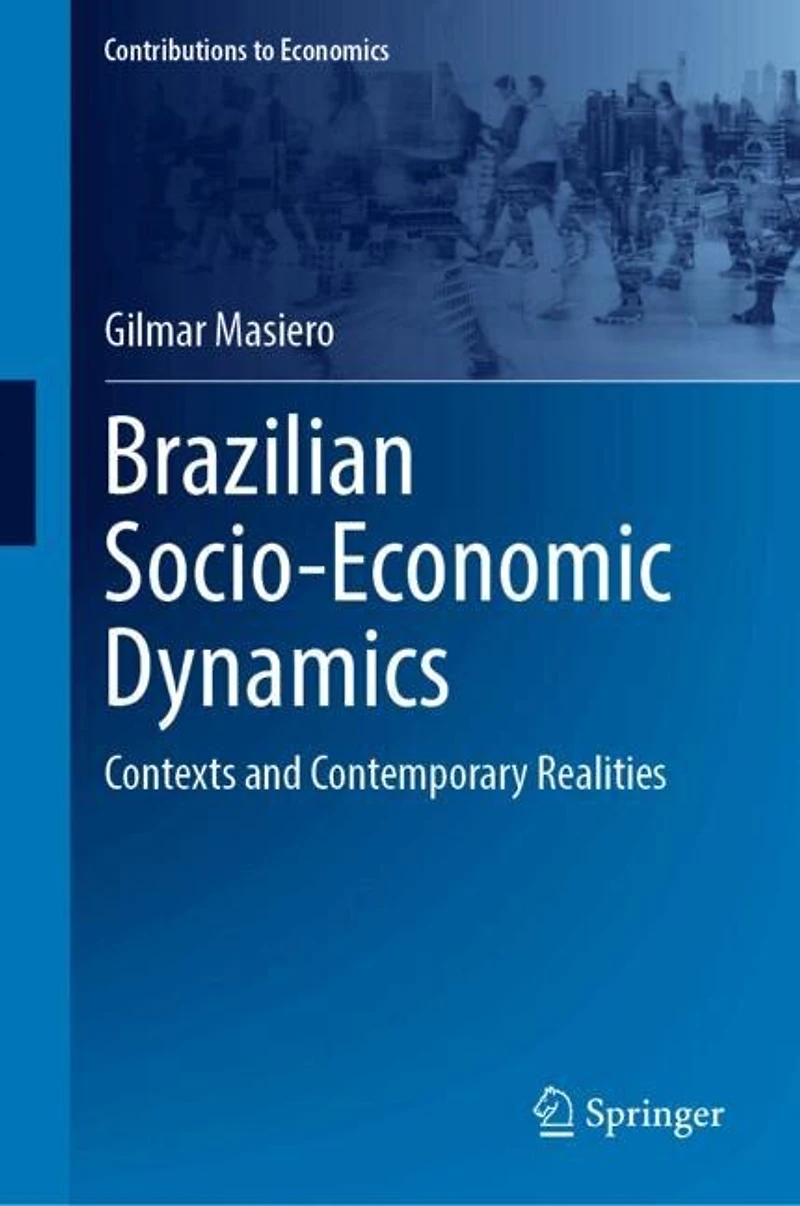
Brazilian Socio-Economic Dynamics: Contexts and Contemporary Realities
Current price: $189.95

Brazilian Socio-Economic Dynamics: Contexts and Contemporary Realities
Current price: $189.95
Loading Inventory...
Size: Hardcover
*Product information may vary - to confirm product availability, pricing, shipping and return information please contact Indigo
This book presents a detailed study of Brazil's structural problems and offers suggestions for managing them. It is organized into two parts. The first part provides a foundation in Brazilian socio-economic dynamics, discussing regional diversity, economic inequalities, access to education, and global commodity supplies from the country's agribusiness. The second part describes contemporary realities in the business and management sector, such as entrepreneurship, small businesses, and incubators, the country's financial system, its international presence, and its present and future challenges. The need for academic literature to support discussions on Brazilian issues is also addressed. The original research presented here may be helpful as a supplementary text in instructional settings.
This book presents a detailed study of Brazil's structural problems and offers suggestions for managing them. It is organized into two parts. The first part provides a foundation in Brazilian socio-economic dynamics, discussing regional diversity, economic inequalities, access to education, and global commodity supplies from the country's agribusiness. The second part describes contemporary realities in the business and management sector, such as entrepreneurship, small businesses, and incubators, the country's financial system, its international presence, and its present and future challenges. The need for academic literature to support discussions on Brazilian issues is also addressed. The original research presented here may be helpful as a supplementary text in instructional settings.
You May Also Like







More About Indigo at Erin Mills Town Centre
The largest book retailer in Canada also offers toys, music, home décor, gifts and lifestyle products. What's Inside...Books, Magazines, CD’s and DVD’s, Toys and Gifts, Home Accents, Electronics, Baby’s and Children’s Section, Bath and Body, Kitchen and Bedroom, Stationary Located outside in the exterior plaza.
5015 Glen Erin Dr, Mississauga, ON L5M 0R7, Canada
Find Indigo at Erin Mills Town Centre in Mississauga ON
Visit Indigo at Erin Mills Town Centre in Mississauga ON