

GIVE THE PERFECT GIFT
Erin Mills Town Centre Gift Cards are the perfect choice for your gift giving needs.Purchase gift cards at kiosks near the food court or centre court, at Guest Services, or click below to purchase online.PURCHASE HEREHome
Breakeven Inflation Analysis
Indigo
Loading Inventory...
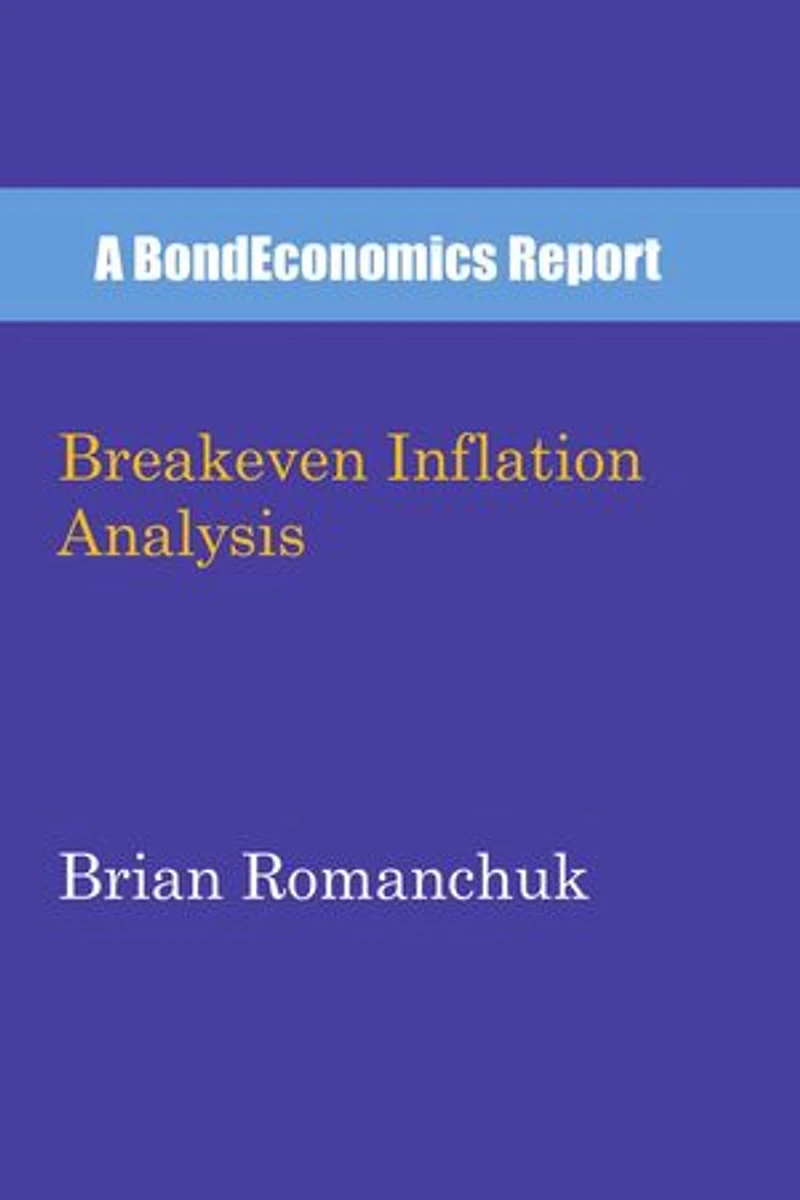
Breakeven Inflation Analysis
Current price: $8.99

Breakeven Inflation Analysis
Current price: $8.99
Loading Inventory...
Size: Kobo eBook
*Product information may vary - to confirm product availability, pricing, shipping and return information please contact Indigo
The great inflation of the 1970s in the developed countries provoked strong economic (and political) reactions. In finance, investors searched for ways to protect themselves from inflation. The United Kingdom launched the first modern inflation-linked bonds in 1981. In addition to being of interest to investors looking for protection against inflation, these bonds also provide a market-based measure of inflation expectations. Since investors have "skin in the game," the resulting forecasts might be better than a purely survey-based inflation forecast. More reliable inflation forecasts should be useful for policymakers that aim to control inflation.
This report discusses the breakeven inflation rate that is implied by pricing in the fixed income markets. For those with a casual interest in the subject, it is probably good enough to view those inflation breakeven rates as a market-implied forecast for inflation. However, if one wants to delve into the analysis, it is necessary to come to grips with the complications in the subject. Is the forecast biased? Are there technical factors in the bond market that affect pricing? The objective of this report is to offer an intermediate-level introduction to these issues. The target audience is either those with an interest in finance and who are unfamiliar with inflation-linked bonds or economists who want to understand better the factors that affect inflation breakeven rates.
The great inflation of the 1970s in the developed countries provoked strong economic (and political) reactions. In finance, investors searched for ways to protect themselves from inflation. The United Kingdom launched the first modern inflation-linked bonds in 1981. In addition to being of interest to investors looking for protection against inflation, these bonds also provide a market-based measure of inflation expectations. Since investors have "skin in the game," the resulting forecasts might be better than a purely survey-based inflation forecast. More reliable inflation forecasts should be useful for policymakers that aim to control inflation.
This report discusses the breakeven inflation rate that is implied by pricing in the fixed income markets. For those with a casual interest in the subject, it is probably good enough to view those inflation breakeven rates as a market-implied forecast for inflation. However, if one wants to delve into the analysis, it is necessary to come to grips with the complications in the subject. Is the forecast biased? Are there technical factors in the bond market that affect pricing? The objective of this report is to offer an intermediate-level introduction to these issues. The target audience is either those with an interest in finance and who are unfamiliar with inflation-linked bonds or economists who want to understand better the factors that affect inflation breakeven rates.
You May Also Like










More About Indigo at Erin Mills Town Centre
The largest book retailer in Canada also offers toys, music, home décor, gifts and lifestyle products. What's Inside...Books, Magazines, CD’s and DVD’s, Toys and Gifts, Home Accents, Electronics, Baby’s and Children’s Section, Bath and Body, Kitchen and Bedroom, Stationary Located outside in the exterior plaza.
5015 Glen Erin Dr, Mississauga, ON L5M 0R7, Canada
Find Indigo at Erin Mills Town Centre in Mississauga ON
Visit Indigo at Erin Mills Town Centre in Mississauga ON