

GIVE THE PERFECT GIFT
Erin Mills Town Centre Gift Cards are the perfect choice for your gift giving needs.Purchase gift cards at kiosks near the food court or centre court, at Guest Services, or click below to purchase online.PURCHASE HEREHome
Breast and Axilla Localisation Techniques: Current Trends, Techniques Tips
Indigo
Loading Inventory...
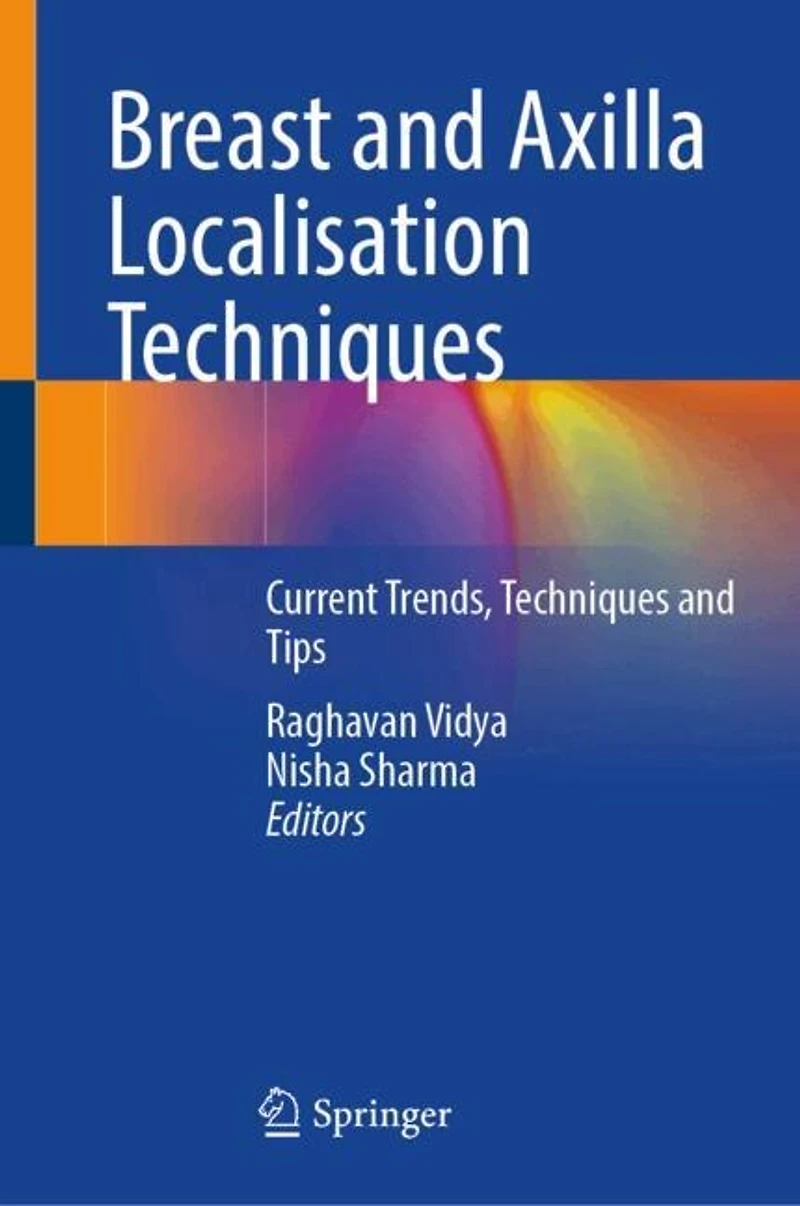
Breast and Axilla Localisation Techniques: Current Trends, Techniques Tips
Current price: $233.95

Breast and Axilla Localisation Techniques: Current Trends, Techniques Tips
Current price: $233.95
Loading Inventory...
Size: Hardcover
*Product information may vary - to confirm product availability, pricing, shipping and return information please contact Indigo
Breast cancer remains one of the most common cancers worldwide, with surgery still serving as the primary treatment modality. Up to 30% of breast cancers are impalpable at diagnosis, necessitating lesion localisation. Currently, wire-guided localisation remains the gold standard for managing non-palpable lesions. However, inherent limitations of this technique, combined with recent technological advances, have driven a progressive shift toward non-wire localisation methods. Similarly, the management of axillary tumours has evolved, moving from radical axillary surgery toward more conservative approaches, such as targeted axillary dissection. This book, the first dedicated solely to these topics, provides an up-to-date guide on current trends, advanced knowledge, and practical skills. To support practitioners-including surgeons, radiologists, radiographers, and multidisciplinary teams-in updating their skills for daily clinical practice, this work provides a comprehensive overview of current trends, emerging knowledge, and practical tips.
Breast cancer remains one of the most common cancers worldwide, with surgery still serving as the primary treatment modality. Up to 30% of breast cancers are impalpable at diagnosis, necessitating lesion localisation. Currently, wire-guided localisation remains the gold standard for managing non-palpable lesions. However, inherent limitations of this technique, combined with recent technological advances, have driven a progressive shift toward non-wire localisation methods. Similarly, the management of axillary tumours has evolved, moving from radical axillary surgery toward more conservative approaches, such as targeted axillary dissection. This book, the first dedicated solely to these topics, provides an up-to-date guide on current trends, advanced knowledge, and practical skills. To support practitioners-including surgeons, radiologists, radiographers, and multidisciplinary teams-in updating their skills for daily clinical practice, this work provides a comprehensive overview of current trends, emerging knowledge, and practical tips.
You May Also Like















More About Indigo at Erin Mills Town Centre
The largest book retailer in Canada also offers toys, music, home décor, gifts and lifestyle products. What's Inside...Books, Magazines, CD’s and DVD’s, Toys and Gifts, Home Accents, Electronics, Baby’s and Children’s Section, Bath and Body, Kitchen and Bedroom, Stationary Located outside in the exterior plaza.
5015 Glen Erin Dr, Mississauga, ON L5M 0R7, Canada
Find Indigo at Erin Mills Town Centre in Mississauga ON
Visit Indigo at Erin Mills Town Centre in Mississauga ON