

GIVE THE PERFECT GIFT
Erin Mills Town Centre Gift Cards are the perfect choice for your gift giving needs.Purchase gift cards at kiosks near the food court or centre court, at Guest Services, or click below to purchase online.PURCHASE HEREHome
Bridges, Borders, and Breaks: History, Narrative, and Nation in Twenty-First-Century Chicana/o Literary Criticism
Indigo
Loading Inventory...
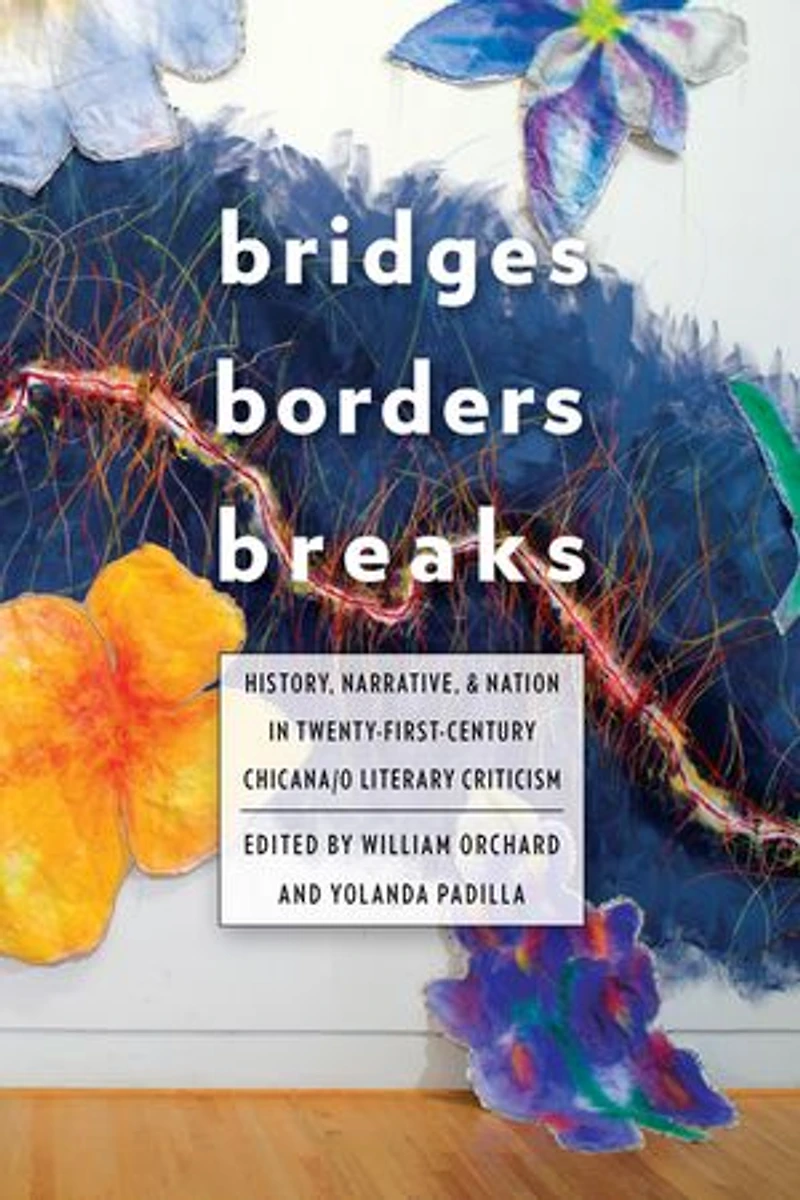
Bridges, Borders, and Breaks: History, Narrative, and Nation in Twenty-First-Century Chicana/o Literary Criticism
Current price: $62.39
Original price: $77.99

Bridges, Borders, and Breaks: History, Narrative, and Nation in Twenty-First-Century Chicana/o Literary Criticism
Current price: $62.39
Original price: $77.99
Loading Inventory...
Size: Kobo eBook
*Product information may vary - to confirm product availability, pricing, shipping and return information please contact Indigo
This volume reassesses the field of Chicana/o literary studies in light of the rise of Latina/o studies, the recovery of a large body of early literature by Mexican Americans, and the "transnational turn" in American studies. The chapters reveal how "Chicano" defines a literary critical sensibility as well as a political one and show how this view can yield new insights about the status of Mexican Americans, the legacies of colonialism, and the ongoing prospects for social justice.
Chicana/o literary representations emerge as significant examples of the local that interrogate globalization's attempts to erase difference. They also highlight how Chicana/o literary studies' interests in racial justice and the minority experience have produced important intersections with new disciplines while also retaining a distinctive character. The recalibration of Chicana/o literary studies in light of these shifts raises important methodological and disciplinary questions, which these chapters address as they introduce the new tools required for the study of Chicana/o literature at this critical juncture.
This volume reassesses the field of Chicana/o literary studies in light of the rise of Latina/o studies, the recovery of a large body of early literature by Mexican Americans, and the "transnational turn" in American studies. The chapters reveal how "Chicano" defines a literary critical sensibility as well as a political one and show how this view can yield new insights about the status of Mexican Americans, the legacies of colonialism, and the ongoing prospects for social justice.
Chicana/o literary representations emerge as significant examples of the local that interrogate globalization's attempts to erase difference. They also highlight how Chicana/o literary studies' interests in racial justice and the minority experience have produced important intersections with new disciplines while also retaining a distinctive character. The recalibration of Chicana/o literary studies in light of these shifts raises important methodological and disciplinary questions, which these chapters address as they introduce the new tools required for the study of Chicana/o literature at this critical juncture.
You May Also Like









More About Indigo at Erin Mills Town Centre
The largest book retailer in Canada also offers toys, music, home décor, gifts and lifestyle products. What's Inside...Books, Magazines, CD’s and DVD’s, Toys and Gifts, Home Accents, Electronics, Baby’s and Children’s Section, Bath and Body, Kitchen and Bedroom, Stationary Located outside in the exterior plaza.
5015 Glen Erin Dr, Mississauga, ON L5M 0R7, Canada
Find Indigo at Erin Mills Town Centre in Mississauga ON
Visit Indigo at Erin Mills Town Centre in Mississauga ON