

GIVE THE PERFECT GIFT
Erin Mills Town Centre Gift Cards are the perfect choice for your gift giving needs.Purchase gift cards at kiosks near the food court or centre court, at Guest Services, or click below to purchase online.PURCHASE HEREHome
Brill's Companion to Classics and Early Anthropology
Indigo
Loading Inventory...
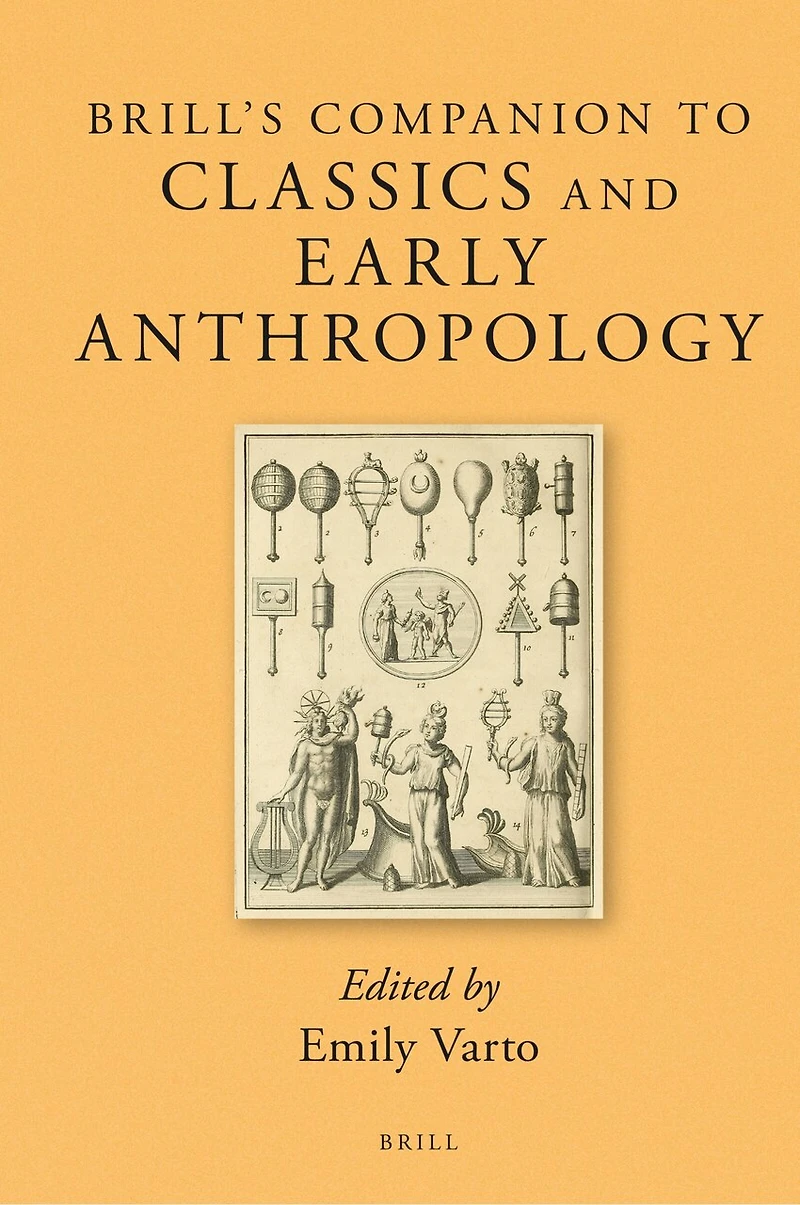
Brill's Companion to Classics and Early Anthropology
Current price: $331.99

Brill's Companion to Classics and Early Anthropology
Current price: $331.99
Loading Inventory...
Size: Hardcover
*Product information may vary - to confirm product availability, pricing, shipping and return information please contact Indigo
The chapters in Brill’s Companion to Classics and Early Anthropology explore key points of interaction between classics and anthropology from the eighteenth to the mid-twentieth century. Ancient Greece and Rome played varying roles in early anthropological thinking, from the observations of colonial officials and missionaries, through the ethnography and evolutionary ethnology of the late nineteenth century, and into the professionalized social sciences of the twentieth century. The chapters illuminate these roles and uncover an intellectual history of fission and fusion, exposing common interests and opposing methodologies, shared theories and conflicting datasets, close collaborations and adversarial estrangements. In augmenting and reevaluating this history, the volume offers a new and nuanced picture of the early formative relationship between the two disciplines.
The chapters in Brill’s Companion to Classics and Early Anthropology explore key points of interaction between classics and anthropology from the eighteenth to the mid-twentieth century. Ancient Greece and Rome played varying roles in early anthropological thinking, from the observations of colonial officials and missionaries, through the ethnography and evolutionary ethnology of the late nineteenth century, and into the professionalized social sciences of the twentieth century. The chapters illuminate these roles and uncover an intellectual history of fission and fusion, exposing common interests and opposing methodologies, shared theories and conflicting datasets, close collaborations and adversarial estrangements. In augmenting and reevaluating this history, the volume offers a new and nuanced picture of the early formative relationship between the two disciplines.
You May Also Like









More About Indigo at Erin Mills Town Centre
The largest book retailer in Canada also offers toys, music, home décor, gifts and lifestyle products. What's Inside...Books, Magazines, CD’s and DVD’s, Toys and Gifts, Home Accents, Electronics, Baby’s and Children’s Section, Bath and Body, Kitchen and Bedroom, Stationary Located outside in the exterior plaza.
5015 Glen Erin Dr, Mississauga, ON L5M 0R7, Canada
Find Indigo at Erin Mills Town Centre in Mississauga ON
Visit Indigo at Erin Mills Town Centre in Mississauga ON