

GIVE THE PERFECT GIFT
Erin Mills Town Centre Gift Cards are the perfect choice for your gift giving needs.Purchase gift cards at kiosks near the food court or centre court, at Guest Services, or click below to purchase online.PURCHASE HEREHome
British Think Tanks After the 2008 Global Financial Crisis
Indigo
Loading Inventory...
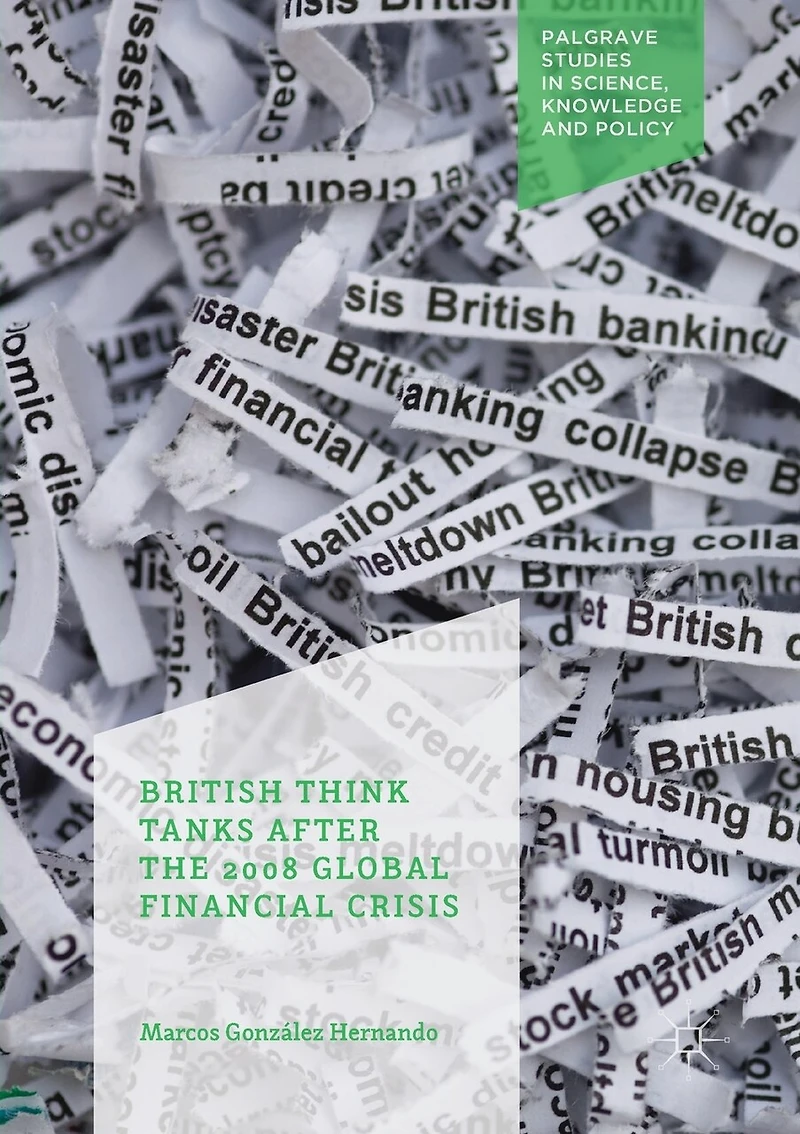
British Think Tanks After the 2008 Global Financial Crisis
Current price: $145.95

British Think Tanks After the 2008 Global Financial Crisis
Current price: $145.95
Loading Inventory...
Size: Paperback
*Product information may vary - to confirm product availability, pricing, shipping and return information please contact Indigo
This book examines the intellectual and institutional transformations of four British think tanks in the aftermath of the 2008 global financial crisis. In the context of a crisis of expert authority, González Hernando demonstrates how these organisations modified their mode of public engagement to be seen as authoritative as possible by an ever more mistrustful public. British Think Tanks After the 2008 Global Financial Crisis connects sociological thinking on knowledge with research on policy change and the economic debate, through careful analysis of interviews, public accounts, and the 'products' of think tanks themselves. González Hernando argues that demands for knowledge and advice that arose after the crisis energised the work of all four think tanks while also exposing internal tensions, affecting their sources of funding, transforming their institutional structure, and shaping how they engage with their audiences. It will appeal to students and scholars of sociology of knowledge, political sociology, policy studies, economic history, communication, political economy, organisational sociology, and British politics
This book examines the intellectual and institutional transformations of four British think tanks in the aftermath of the 2008 global financial crisis. In the context of a crisis of expert authority, González Hernando demonstrates how these organisations modified their mode of public engagement to be seen as authoritative as possible by an ever more mistrustful public. British Think Tanks After the 2008 Global Financial Crisis connects sociological thinking on knowledge with research on policy change and the economic debate, through careful analysis of interviews, public accounts, and the 'products' of think tanks themselves. González Hernando argues that demands for knowledge and advice that arose after the crisis energised the work of all four think tanks while also exposing internal tensions, affecting their sources of funding, transforming their institutional structure, and shaping how they engage with their audiences. It will appeal to students and scholars of sociology of knowledge, political sociology, policy studies, economic history, communication, political economy, organisational sociology, and British politics
You May Also Like








More About Indigo at Erin Mills Town Centre
The largest book retailer in Canada also offers toys, music, home décor, gifts and lifestyle products. What's Inside...Books, Magazines, CD’s and DVD’s, Toys and Gifts, Home Accents, Electronics, Baby’s and Children’s Section, Bath and Body, Kitchen and Bedroom, Stationary Located outside in the exterior plaza.
5015 Glen Erin Dr, Mississauga, ON L5M 0R7, Canada
Find Indigo at Erin Mills Town Centre in Mississauga ON
Visit Indigo at Erin Mills Town Centre in Mississauga ON