

GIVE THE PERFECT GIFT
Erin Mills Town Centre Gift Cards are the perfect choice for your gift giving needs.Purchase gift cards at kiosks near the food court or centre court, at Guest Services, or click below to purchase online.PURCHASE HEREHome
Building the Worlds That Kill Us: Disease, Death, and Inequality American History
Indigo
Loading Inventory...

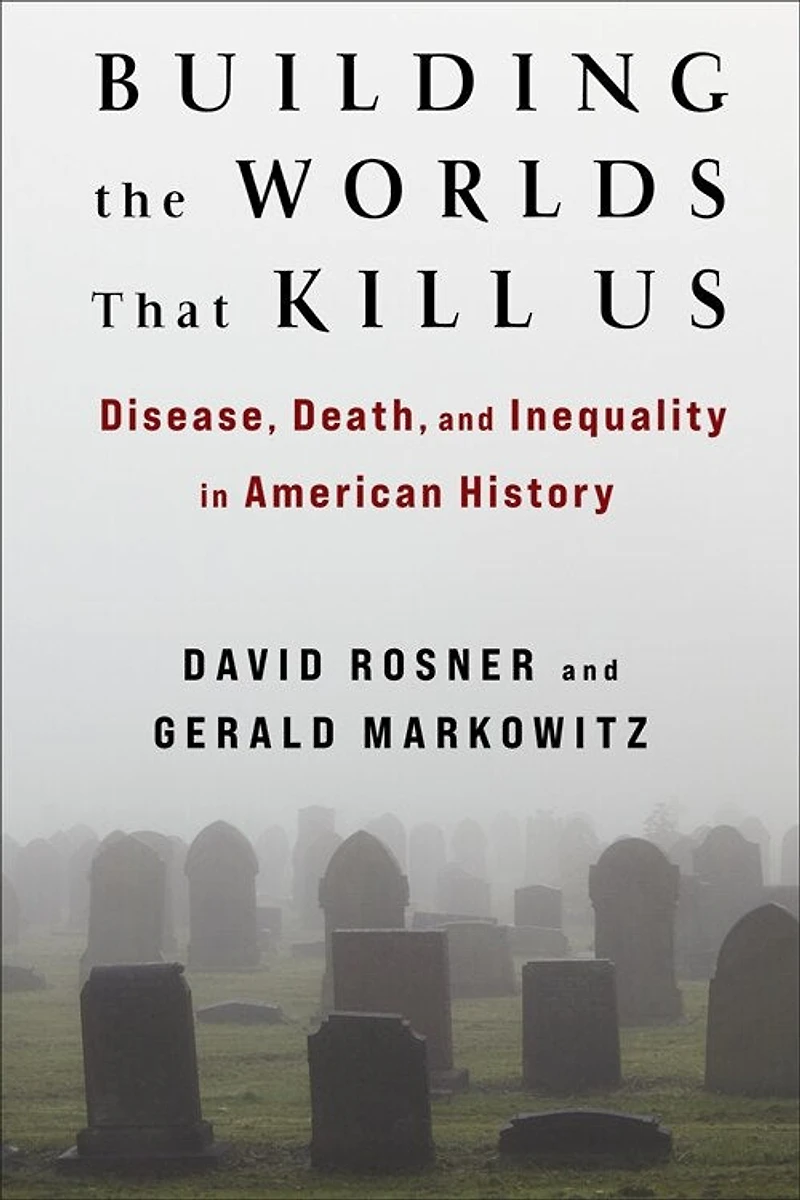

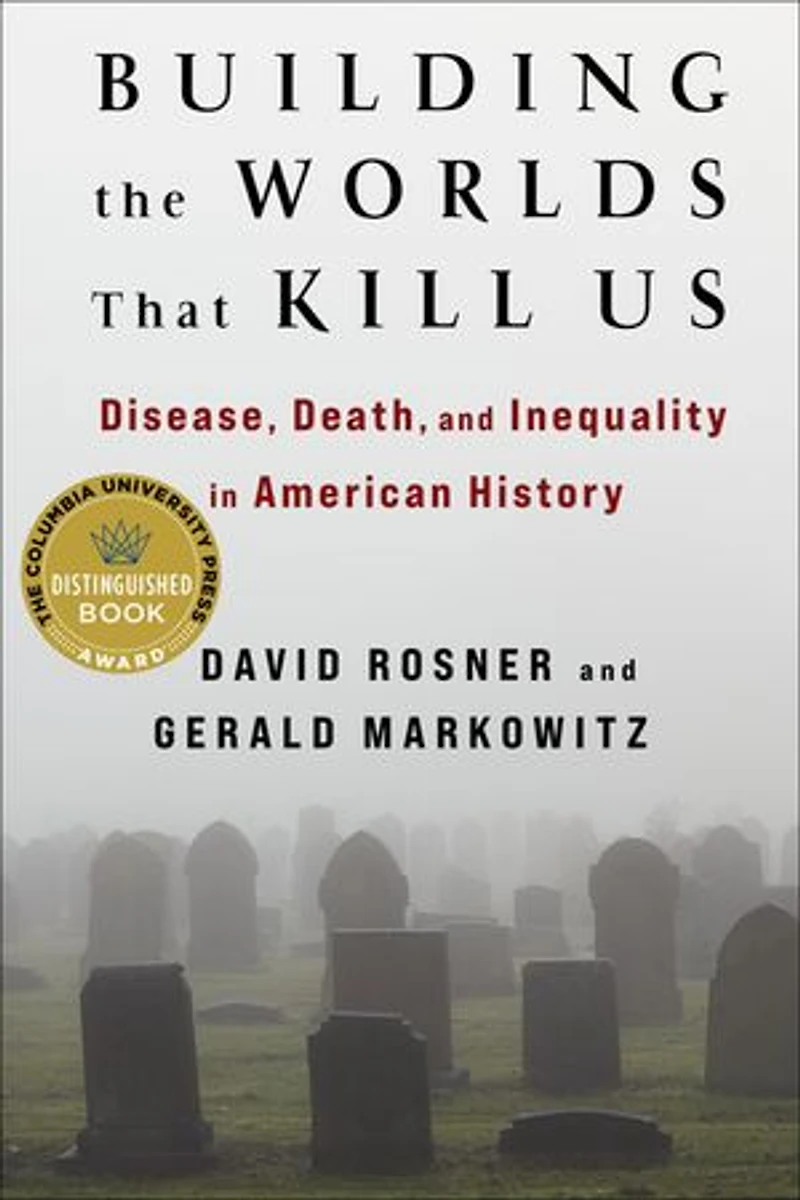

Building the Worlds That Kill Us: Disease, Death, and Inequality American History
Current price: $61.00

Building the Worlds That Kill Us: Disease, Death, and Inequality American History
Current price: $61.00
Loading Inventory...
Size: Hardcover (2019)
*Product information may vary - to confirm product availability, pricing, shipping and return information please contact Indigo
Across American history, the question of whose lives are long and healthy and whose lives are short and sick has always been shaped by the social and economic order. From the dispossession of Indigenous people and the horrors of slavery to infectious diseases spreading in overcrowded tenements and the vast environmental contamination caused by industrialization, and through climate change and pandemics in the twenty-first century, those in power have left others behind.
Through the lens of death and disease, Building the Worlds That Kill Us provides a new way of understanding the history of the United States from the colonial era to the present. David Rosner and Gerald Markowitz demonstrate that the changing rates and kinds of illnesses reflect social, political, and economic structures and inequalities of race, class, and gender. These deep inequities determine the disparate health experiences of rich and poor, Black and white, men and women, immigrant and native-born, boss and worker, Indigenous and settler. This book underscores that powerful people and institutions have always seen some lives as more valuable than others, and it emphasizes how those who have been most affected by the disparities in rates of disease and death have challenged and changed these systems. Ultimately, this history shows that unequal outcomes are a choice—and we can instead collectively make decisions that foster life and health.
Across American history, the question of whose lives are long and healthy and whose lives are short and sick has always been shaped by the social and economic order. From the dispossession of Indigenous people and the horrors of slavery to infectious diseases spreading in overcrowded tenements and the vast environmental contamination caused by industrialization, and through climate change and pandemics in the twenty-first century, those in power have left others behind.
Through the lens of death and disease, Building the Worlds That Kill Us provides a new way of understanding the history of the United States from the colonial era to the present. David Rosner and Gerald Markowitz demonstrate that the changing rates and kinds of illnesses reflect social, political, and economic structures and inequalities of race, class, and gender. These deep inequities determine the disparate health experiences of rich and poor, Black and white, men and women, immigrant and native-born, boss and worker, Indigenous and settler. This book underscores that powerful people and institutions have always seen some lives as more valuable than others, and it emphasizes how those who have been most affected by the disparities in rates of disease and death have challenged and changed these systems. Ultimately, this history shows that unequal outcomes are a choice—and we can instead collectively make decisions that foster life and health.
You May Also Like
















More About Indigo at Erin Mills Town Centre
The largest book retailer in Canada also offers toys, music, home décor, gifts and lifestyle products. What's Inside...Books, Magazines, CD’s and DVD’s, Toys and Gifts, Home Accents, Electronics, Baby’s and Children’s Section, Bath and Body, Kitchen and Bedroom, Stationary Located outside in the exterior plaza.
5015 Glen Erin Dr, Mississauga, ON L5M 0R7, Canada
Find Indigo at Erin Mills Town Centre in Mississauga ON
Visit Indigo at Erin Mills Town Centre in Mississauga ON