

GIVE THE PERFECT GIFT
Erin Mills Town Centre Gift Cards are the perfect choice for your gift giving needs.Purchase gift cards at kiosks near the food court or centre court, at Guest Services, or click below to purchase online.PURCHASE HEREHome
By the Numbers: Numeracy Religion and Quantitative Transformation of Early Modern England
Indigo
Loading Inventory...
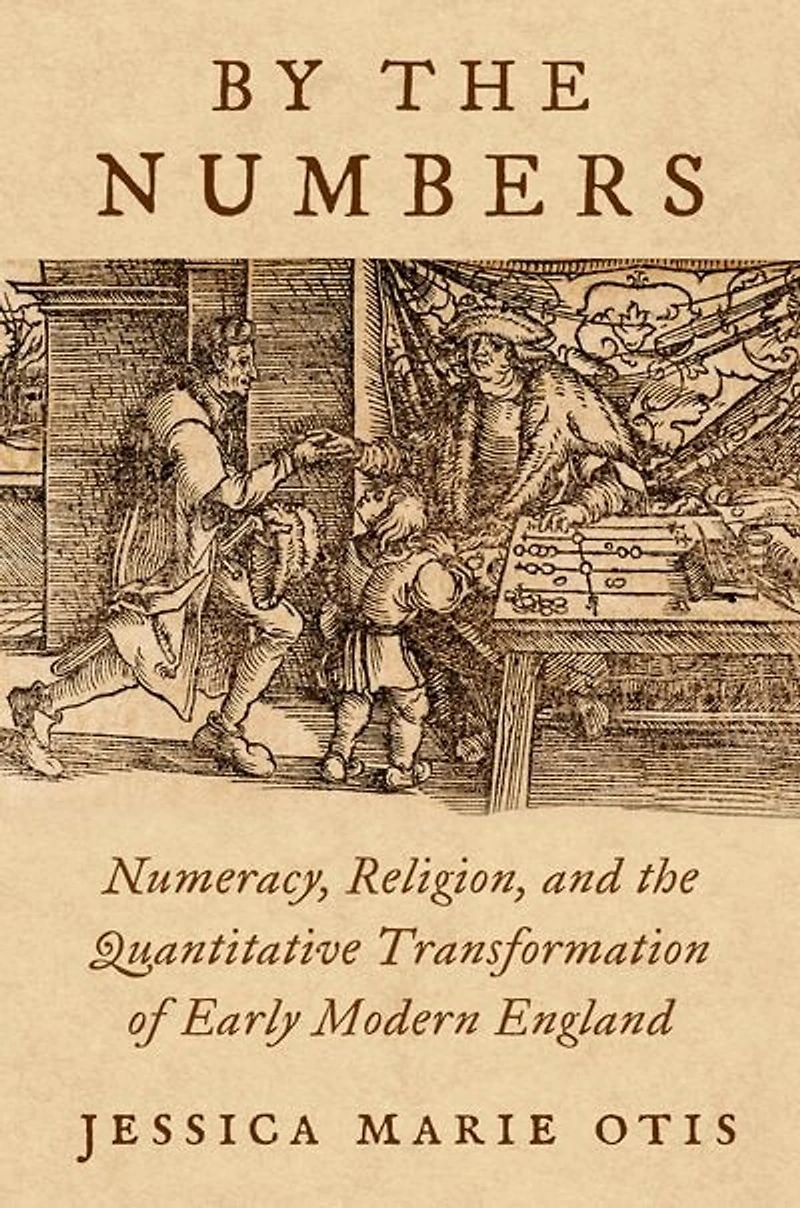
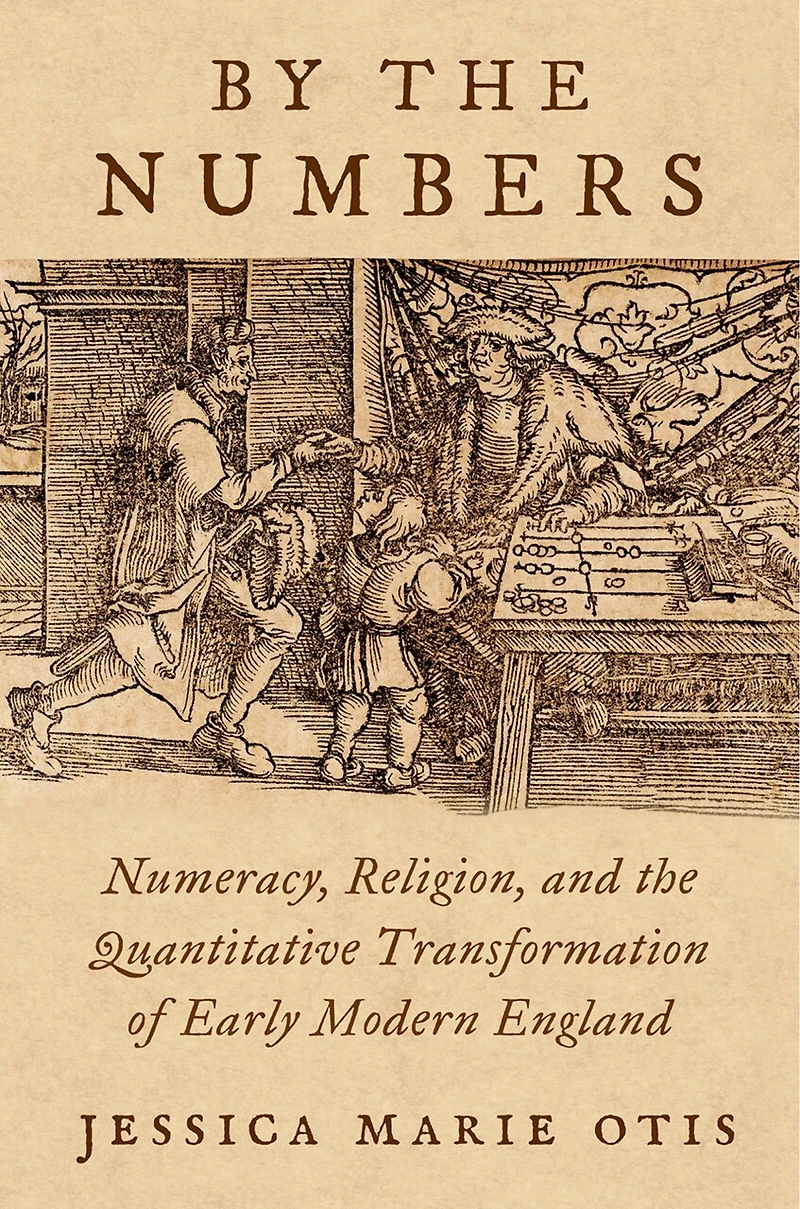
By the Numbers: Numeracy Religion and Quantitative Transformation of Early Modern England
Current price: $130.00

By the Numbers: Numeracy Religion and Quantitative Transformation of Early Modern England
Current price: $130.00
Loading Inventory...
Size: Hardcover
*Product information may vary - to confirm product availability, pricing, shipping and return information please contact Indigo
During the sixteenth and seventeenth centuries, English numerical practices underwent a complex transformation with wide-ranging impacts on English society. At the beginning of the early modern period, English men and women believed that God had made humans universally numerate, although numbers were not central to their everyday lives. Over the next two centuries, rising literacy rates and the increasing availability of printed books revolutionized modes of arithmetical practice and education. Ordinary English people began to use numbers and quantification to explain abstract phenomena as diverse as the relativity of time, the probability of chance events, and the constitution of human populations. These changes reflected their participation in broader early modern European cultural and intellectual developments such as the Reformation and the Scientific Revolution. By the eighteenth century, English men and women still believed they lived in a world made by God, but it was also a world made--and made understandable--by numbers.
During the sixteenth and seventeenth centuries, English numerical practices underwent a complex transformation with wide-ranging impacts on English society. At the beginning of the early modern period, English men and women believed that God had made humans universally numerate, although numbers were not central to their everyday lives. Over the next two centuries, rising literacy rates and the increasing availability of printed books revolutionized modes of arithmetical practice and education. Ordinary English people began to use numbers and quantification to explain abstract phenomena as diverse as the relativity of time, the probability of chance events, and the constitution of human populations. These changes reflected their participation in broader early modern European cultural and intellectual developments such as the Reformation and the Scientific Revolution. By the eighteenth century, English men and women still believed they lived in a world made by God, but it was also a world made--and made understandable--by numbers.
You May Also Like








More About Indigo at Erin Mills Town Centre
The largest book retailer in Canada also offers toys, music, home décor, gifts and lifestyle products. What's Inside...Books, Magazines, CD’s and DVD’s, Toys and Gifts, Home Accents, Electronics, Baby’s and Children’s Section, Bath and Body, Kitchen and Bedroom, Stationary Located outside in the exterior plaza.
5015 Glen Erin Dr, Mississauga, ON L5M 0R7, Canada
Find Indigo at Erin Mills Town Centre in Mississauga ON
Visit Indigo at Erin Mills Town Centre in Mississauga ON