

GIVE THE PERFECT GIFT
Erin Mills Town Centre Gift Cards are the perfect choice for your gift giving needs.Purchase gift cards at kiosks near the food court or centre court, at Guest Services, or click below to purchase online.PURCHASE HEREHome
Byzantium a Changing World
Indigo
Loading Inventory...
Byzantium a Changing World
Current price: $189.00

Byzantium a Changing World
Current price: $189.00
Loading Inventory...
Size: Hardcover
*Product information may vary - to confirm product availability, pricing, shipping and return information please contact Indigo
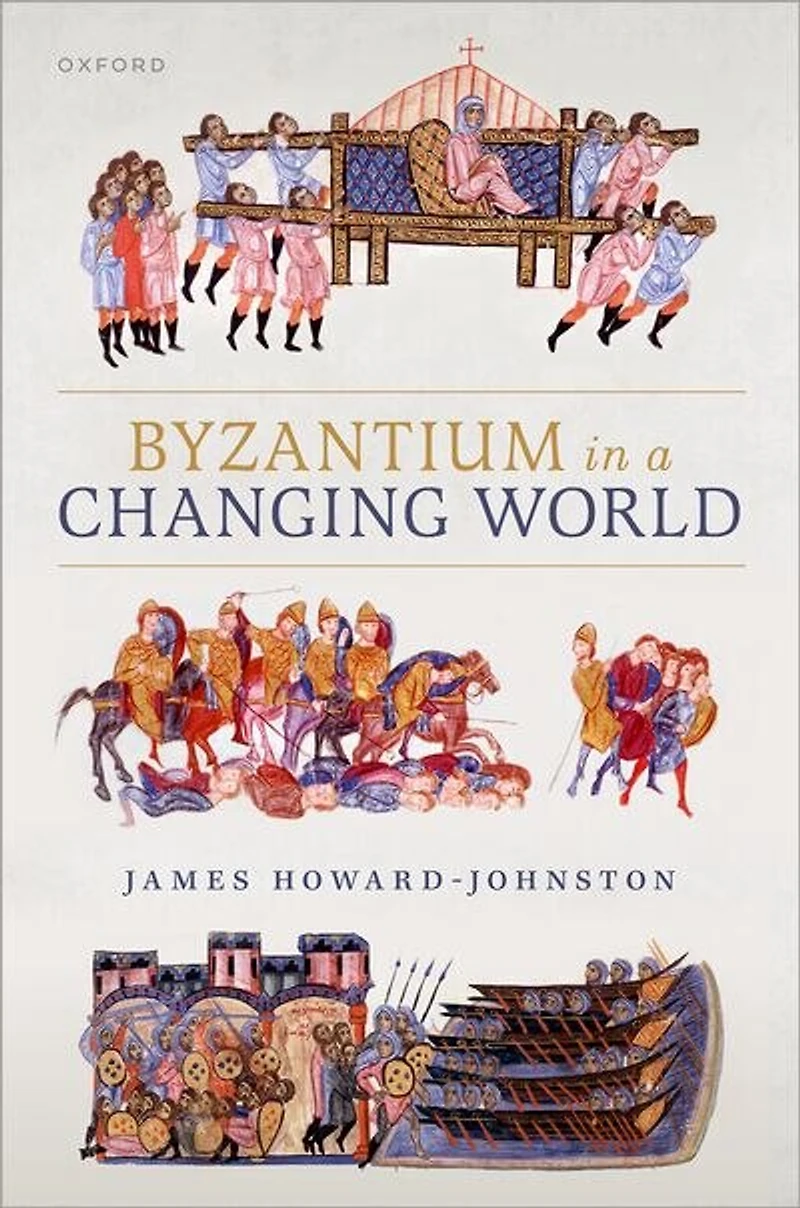
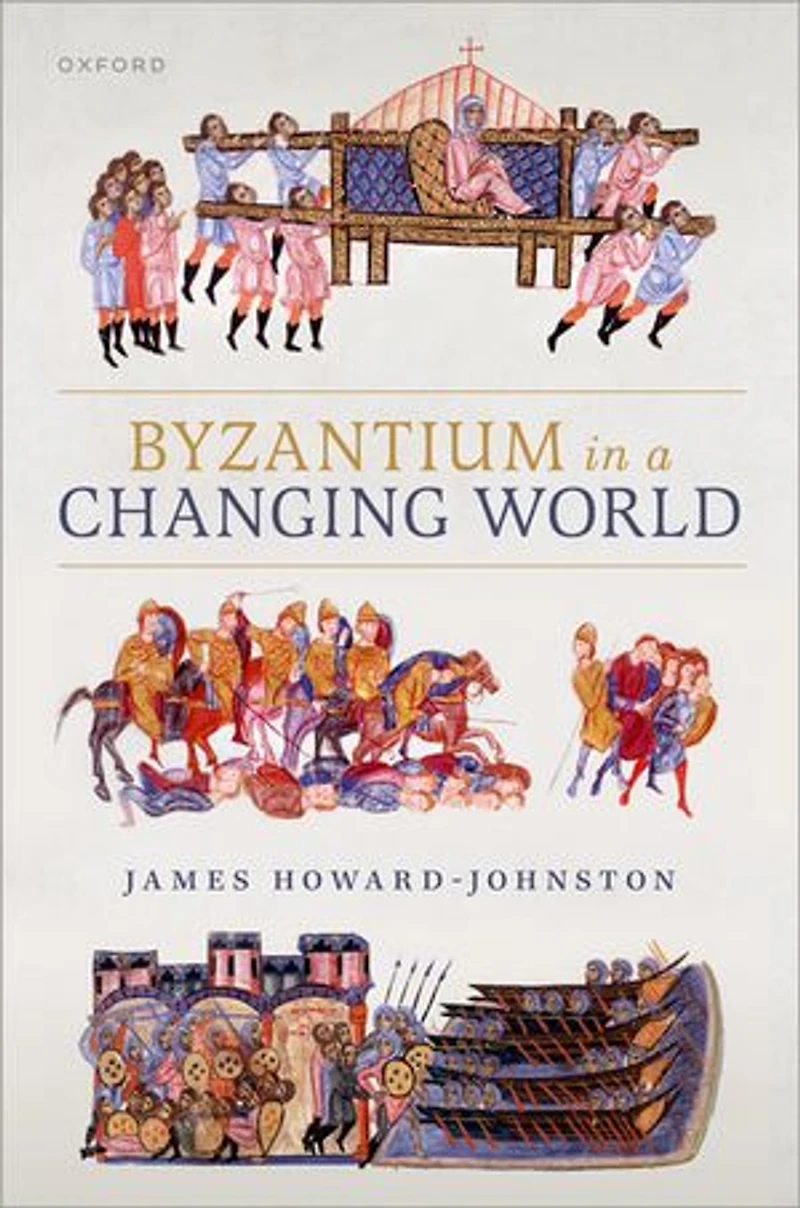
Byzantium is commonly taken to be a somewhat exotic entity on the margin of medieval Europe--bureaucratic, Greek- rather than Latin-speaking, Orthodox rather than Catholic, wealthy and effete, relying on cunning rather than martial exploits to foil its enemies. Since the great majority of primary sources emanate from the polity's capital, it is viewed from the inside out and from the top down. Byzantium in a Changing World takes a very different approach, viewing Byzantium and its east Roman predecessor from the outside, as they cope with all manner of external threats, above all the Sasanian empire and later the Arabs after they destroyed the ancient world order in the seventh century. What emerges is the history of a state which managed to preserve its ideology, its culture, its religion, and its fundamental structures as it was assailed from without. In addition to the two great eastern adversaries, a succession of predatory powers was fought off: Huns and Avars in late antiquity, followed by Bulgars in the dark age, joined by Hungarians, Pechenegs, and Rus in the following era of revival. In this accessible introduction to the history of Byzantium, with six chronologically organised chapters covering the period from Late Antiquity until the fall of the Byzantine Empire in 1453, James Howard-Johnston argues that Byzantium geared itself to war in the seventh century, that the peasant village emerged as the basis of the social order, and that it was a guerrilla style of warfare combined with well-targeted diplomatic activity which ensured the state's survival and subsequent revival.
Byzantium is commonly taken to be a somewhat exotic entity on the margin of medieval Europe--bureaucratic, Greek- rather than Latin-speaking, Orthodox rather than Catholic, wealthy and effete, relying on cunning rather than martial exploits to foil its enemies. Since the great majority of primary sources emanate from the polity's capital, it is viewed from the inside out and from the top down. Byzantium in a Changing World takes a very different approach, viewing Byzantium and its east Roman predecessor from the outside, as they cope with all manner of external threats, above all the Sasanian empire and later the Arabs after they destroyed the ancient world order in the seventh century. What emerges is the history of a state which managed to preserve its ideology, its culture, its religion, and its fundamental structures as it was assailed from without. In addition to the two great eastern adversaries, a succession of predatory powers was fought off: Huns and Avars in late antiquity, followed by Bulgars in the dark age, joined by Hungarians, Pechenegs, and Rus in the following era of revival. In this accessible introduction to the history of Byzantium, with six chronologically organised chapters covering the period from Late Antiquity until the fall of the Byzantine Empire in 1453, James Howard-Johnston argues that Byzantium geared itself to war in the seventh century, that the peasant village emerged as the basis of the social order, and that it was a guerrilla style of warfare combined with well-targeted diplomatic activity which ensured the state's survival and subsequent revival.
You May Also Like









More About Indigo at Erin Mills Town Centre
The largest book retailer in Canada also offers toys, music, home décor, gifts and lifestyle products. What's Inside...Books, Magazines, CD’s and DVD’s, Toys and Gifts, Home Accents, Electronics, Baby’s and Children’s Section, Bath and Body, Kitchen and Bedroom, Stationary Located outside in the exterior plaza.
5015 Glen Erin Dr, Mississauga, ON L5M 0R7, Canada
Find Indigo at Erin Mills Town Centre in Mississauga ON
Visit Indigo at Erin Mills Town Centre in Mississauga ON