

GIVE THE PERFECT GIFT
Erin Mills Town Centre Gift Cards are the perfect choice for your gift giving needs.Purchase gift cards at kiosks near the food court or centre court, at Guest Services, or click below to purchase online.PURCHASE HEREHome
Byzantium: Economy, Society, Institutions 600-1100
Indigo
Loading Inventory...
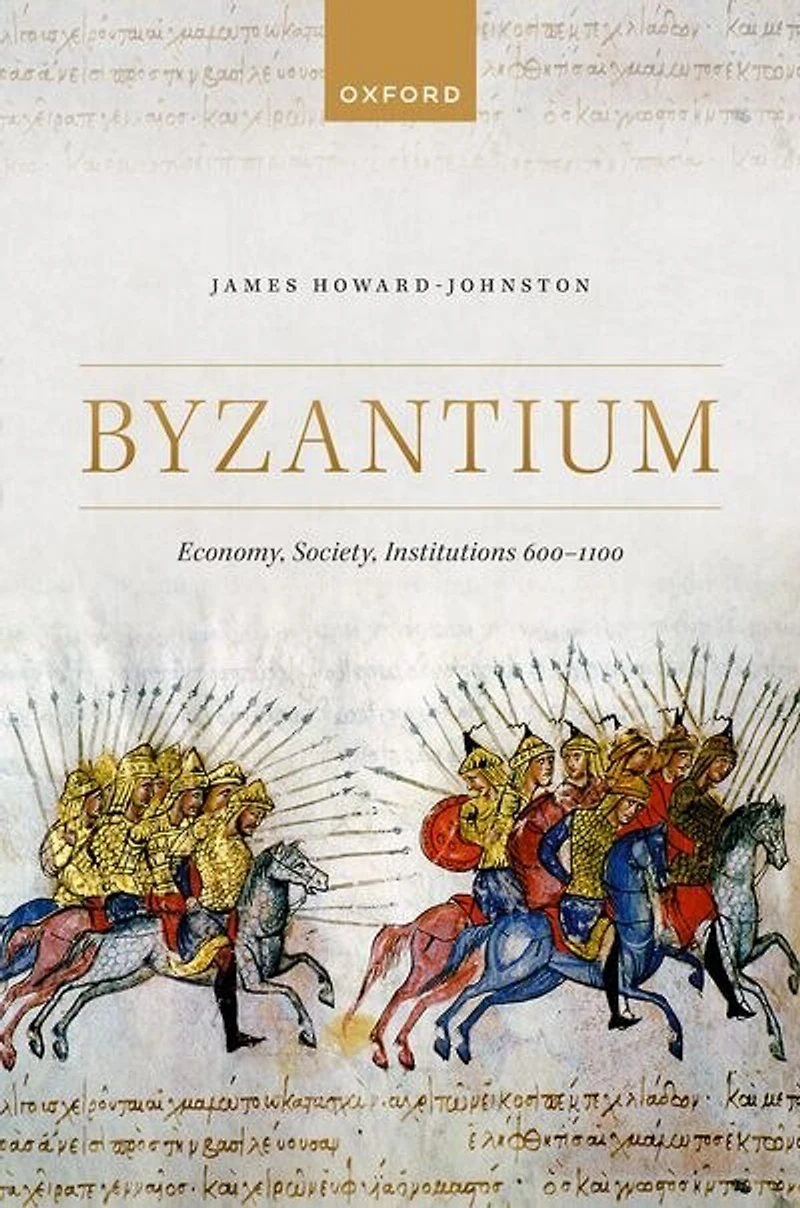
Byzantium: Economy, Society, Institutions 600-1100
Current price: $200.00

Byzantium: Economy, Society, Institutions 600-1100
Current price: $200.00
Loading Inventory...
Size: Hardcover
*Product information may vary - to confirm product availability, pricing, shipping and return information please contact Indigo
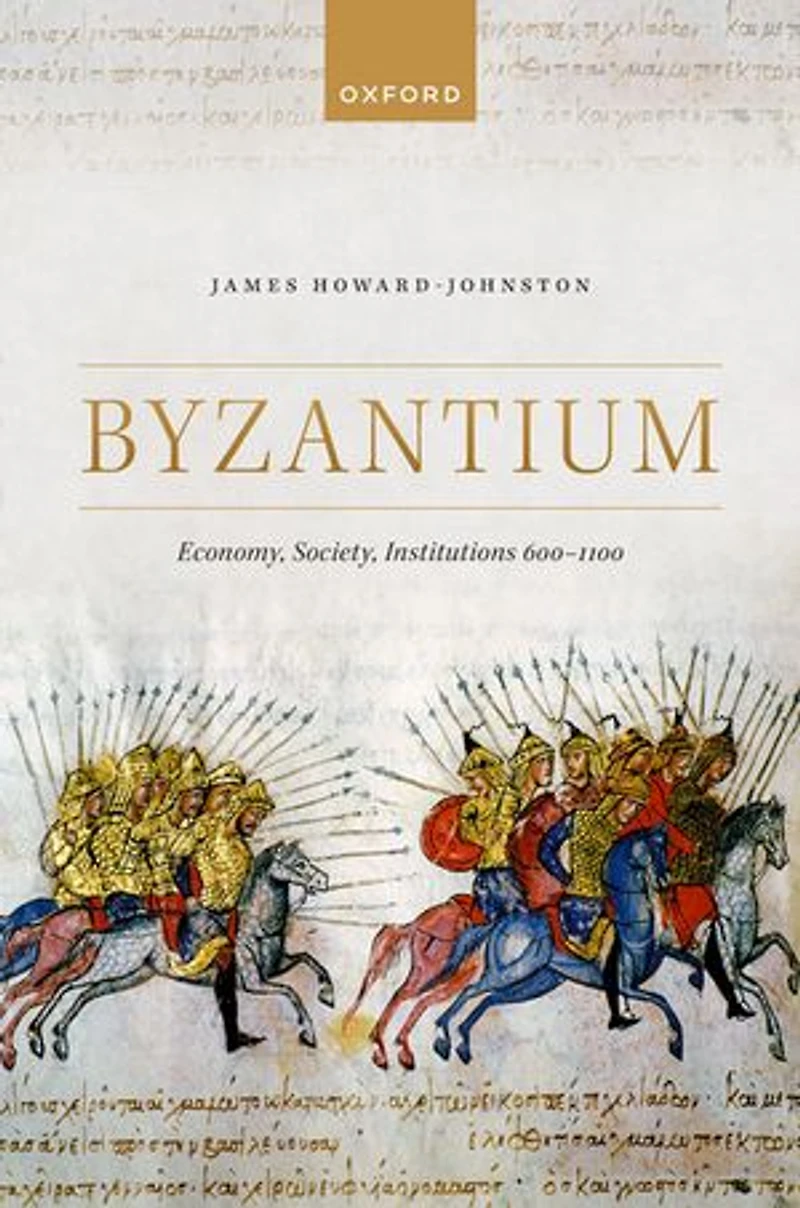
Byzantium was a strange entity--a relic of classical antiquity which survived deep into the Middle Ages. Drawing on a lifetime's work in the field of Byzantine studies, James Howard-Johnston aims to explain Byzantium's longevity, first as a state geared to fighting a two-centuries long guerrilla war of defence, then as an increasingly confident regional power. It is only by analysing its economic, social, and institutional structures that this strange medieval afterlife of the rump of the Roman empire can be understood. This collection of linked essays outlines the fundamental features of Byzantium, with a focus on the seventh to eleventh centuries. The essays delve below the agitated surface of political, religious, and intellectual history to home in on (1) alterations in economic conditions; and (2) structural change in the social order and apparatus of government. The economic foundations of society and state are examined over the long term, with emphasis placed on mercantile enterprise throughout. Howard-Johnston identifies warfare as the prime driver of social and institutional change in a first phase (seventh to eighth centuries), when the peasant villager rose to a dominant position in the collective mindset and the administration was centralised and militarised as never before. A second phase of change is then highlighted, after the mid-ninth century when Byzantium's security was assured. Military and administrative arrangements were adapted as the empire expanded. The service aristocracy which had developed in the dark centuries began to assert itself to the detriment of the peasantry, but was, Howard-Johnston argues, countered reasonably effectively by new legislation. There was a renaissance in cultural life, most marked in the intellectual sphere in the eleventh century. Finally, the sharp decline in Byzantium's military fortunes from the mid-eleventh century is attributed to external factors rather than internal weakness.
Byzantium was a strange entity--a relic of classical antiquity which survived deep into the Middle Ages. Drawing on a lifetime's work in the field of Byzantine studies, James Howard-Johnston aims to explain Byzantium's longevity, first as a state geared to fighting a two-centuries long guerrilla war of defence, then as an increasingly confident regional power. It is only by analysing its economic, social, and institutional structures that this strange medieval afterlife of the rump of the Roman empire can be understood. This collection of linked essays outlines the fundamental features of Byzantium, with a focus on the seventh to eleventh centuries. The essays delve below the agitated surface of political, religious, and intellectual history to home in on (1) alterations in economic conditions; and (2) structural change in the social order and apparatus of government. The economic foundations of society and state are examined over the long term, with emphasis placed on mercantile enterprise throughout. Howard-Johnston identifies warfare as the prime driver of social and institutional change in a first phase (seventh to eighth centuries), when the peasant villager rose to a dominant position in the collective mindset and the administration was centralised and militarised as never before. A second phase of change is then highlighted, after the mid-ninth century when Byzantium's security was assured. Military and administrative arrangements were adapted as the empire expanded. The service aristocracy which had developed in the dark centuries began to assert itself to the detriment of the peasantry, but was, Howard-Johnston argues, countered reasonably effectively by new legislation. There was a renaissance in cultural life, most marked in the intellectual sphere in the eleventh century. Finally, the sharp decline in Byzantium's military fortunes from the mid-eleventh century is attributed to external factors rather than internal weakness.
You May Also Like









More About Indigo at Erin Mills Town Centre
The largest book retailer in Canada also offers toys, music, home décor, gifts and lifestyle products. What's Inside...Books, Magazines, CD’s and DVD’s, Toys and Gifts, Home Accents, Electronics, Baby’s and Children’s Section, Bath and Body, Kitchen and Bedroom, Stationary Located outside in the exterior plaza.
5015 Glen Erin Dr, Mississauga, ON L5M 0R7, Canada
Find Indigo at Erin Mills Town Centre in Mississauga ON
Visit Indigo at Erin Mills Town Centre in Mississauga ON