

GIVE THE PERFECT GIFT
Erin Mills Town Centre Gift Cards are the perfect choice for your gift giving needs.Purchase gift cards at kiosks near the food court or centre court, at Guest Services, or click below to purchase online.PURCHASE HEREHome
C&A: A Family Business in Germany, the Netherlands and the United Kingdom 1911-1961
Indigo
Loading Inventory...
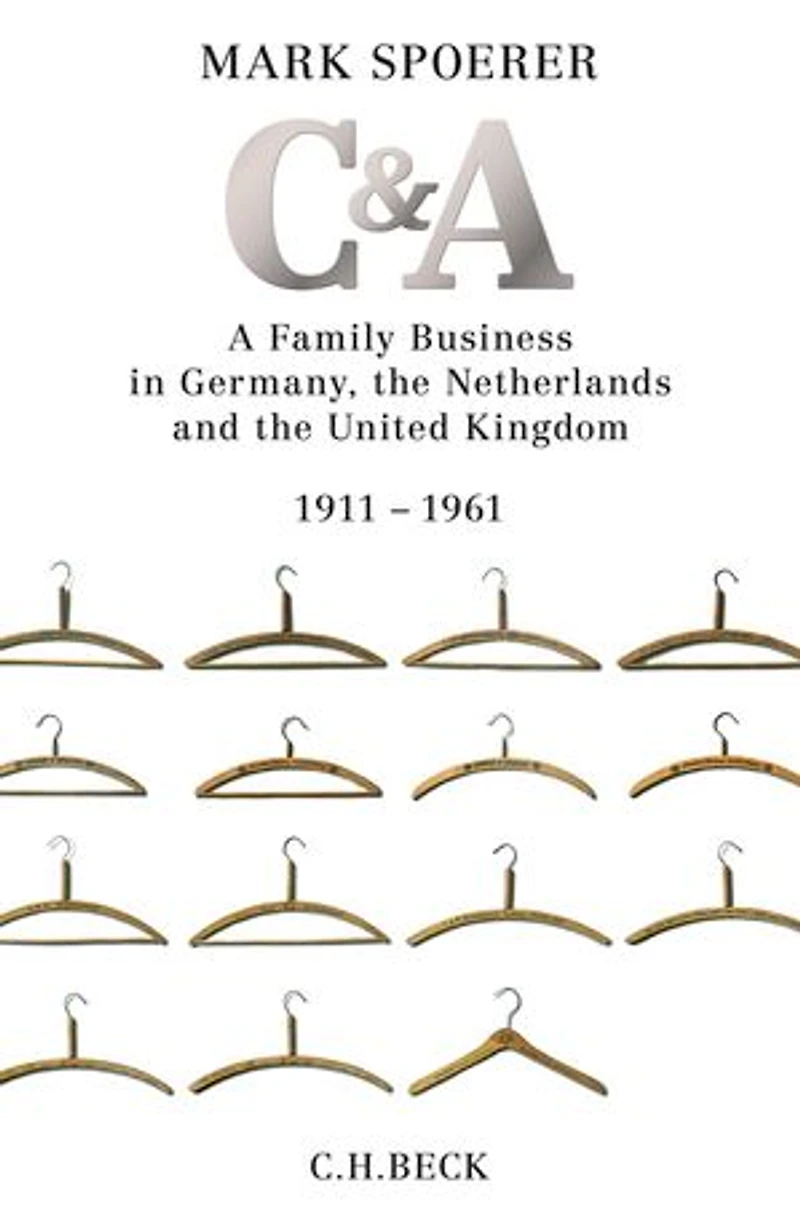
C&A: A Family Business in Germany, the Netherlands and the United Kingdom 1911-1961
Current price: $43.59

C&A: A Family Business in Germany, the Netherlands and the United Kingdom 1911-1961
Current price: $43.59
Loading Inventory...
Size: Kobo eBook
*Product information may vary - to confirm product availability, pricing, shipping and return information please contact Indigo
The history of C&A is paradigmatic of the economisation and rationalisation of the production and sale of clothing since the late nineteenth century. Mark Spoerer describes the historical ups and downs of this Dutch family business from its beginnings in Germany through the post-war German «economic miracle». He investigates how the Brenninkmeijer family's traditional policy of recruiting new business leaders from its own ranks influences the company's long-term strategy. In 1841, the brothers Clemens and August Brenninkmeijer, who had gotten their start in the itinerant garment trade in Westphalia, founded a business in the Netherlands that would expand to Germany in 1911 and to Britain in 1922. Despite the difficulties the Brenninkmeijers encountered as foreigners, capitalists and Catholics in the Third Reich, they exploited those chances opened up by the Nazi regime, including the ‹Aryanisation› of property. After 1945, the company experienced furious growth with the rise of a new consumer society, developing into one of Europe's largest fashion retailers.
The history of C&A is paradigmatic of the economisation and rationalisation of the production and sale of clothing since the late nineteenth century. Mark Spoerer describes the historical ups and downs of this Dutch family business from its beginnings in Germany through the post-war German «economic miracle». He investigates how the Brenninkmeijer family's traditional policy of recruiting new business leaders from its own ranks influences the company's long-term strategy. In 1841, the brothers Clemens and August Brenninkmeijer, who had gotten their start in the itinerant garment trade in Westphalia, founded a business in the Netherlands that would expand to Germany in 1911 and to Britain in 1922. Despite the difficulties the Brenninkmeijers encountered as foreigners, capitalists and Catholics in the Third Reich, they exploited those chances opened up by the Nazi regime, including the ‹Aryanisation› of property. After 1945, the company experienced furious growth with the rise of a new consumer society, developing into one of Europe's largest fashion retailers.
You May Also Like















More About Indigo at Erin Mills Town Centre
The largest book retailer in Canada also offers toys, music, home décor, gifts and lifestyle products. What's Inside...Books, Magazines, CD’s and DVD’s, Toys and Gifts, Home Accents, Electronics, Baby’s and Children’s Section, Bath and Body, Kitchen and Bedroom, Stationary Located outside in the exterior plaza.
5015 Glen Erin Dr, Mississauga, ON L5M 0R7, Canada
Find Indigo at Erin Mills Town Centre in Mississauga ON
Visit Indigo at Erin Mills Town Centre in Mississauga ON