

GIVE THE PERFECT GIFT
Erin Mills Town Centre Gift Cards are the perfect choice for your gift giving needs.Purchase gift cards at kiosks near the food court or centre court, at Guest Services, or click below to purchase online.PURCHASE HEREHome
Caesarism and Bonapartism in Gramsci: Hegemony and the Crisis of Modernity
Indigo
Loading Inventory...
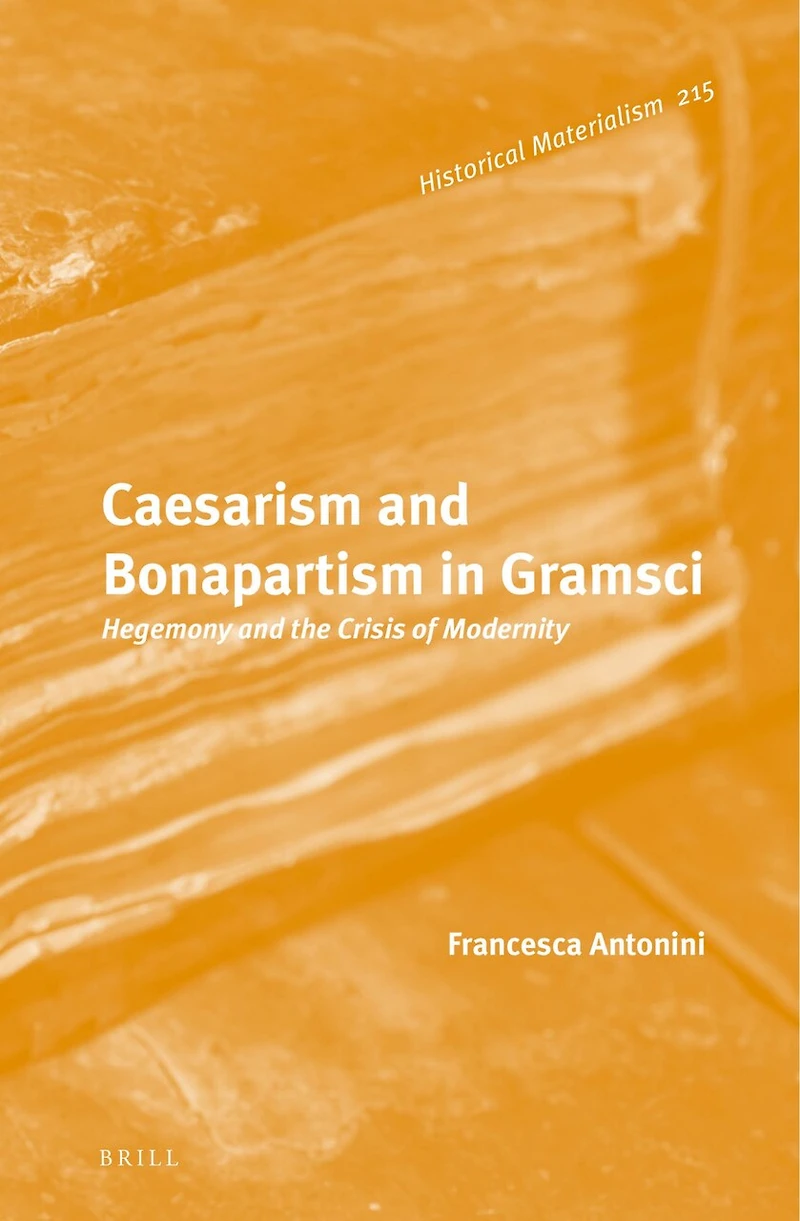
Caesarism and Bonapartism in Gramsci: Hegemony and the Crisis of Modernity
Current price: $244.99

Caesarism and Bonapartism in Gramsci: Hegemony and the Crisis of Modernity
Current price: $244.99
Loading Inventory...
Size: Hardcover
*Product information may vary - to confirm product availability, pricing, shipping and return information please contact Indigo
Shortlisted for the Deutscher Memorial Prize 2021 .
Winner of the prestigious 'Giuseppe Sormani International Prize' for works on Antonio Gramsci (Fifth edition, 2020) .
In Caesarism and Bonapartism in Gramsci , Francesca Antonini offers a fresh insight into Antonio Gramsci’s thought. Building on the achievements of recent Gramscian scholarship, she investigates his usage of the concepts of Bonapartism and Caesarism, both in his pre-prison writings and in the Prison Notebooks . The Caesarist-Bonapartist paradigm relates crucially to Gramsci’s reflections on hegemony and on its transformations across the nineteenth and twentieth centuries. While this model is essential to Gramsci’s understanding of the interwar period and of the Fascist regime in Italy, it also sheds a meaningful light on other past and present scenarios, from the French Second Empire to the USSR of his time. Finally, yet importantly, Antonini's analysis illuminates Gramsci’s approach towards the Marxian legacy.
See inside the book .
Shortlisted for the Deutscher Memorial Prize 2021 .
Winner of the prestigious 'Giuseppe Sormani International Prize' for works on Antonio Gramsci (Fifth edition, 2020) .
In Caesarism and Bonapartism in Gramsci , Francesca Antonini offers a fresh insight into Antonio Gramsci’s thought. Building on the achievements of recent Gramscian scholarship, she investigates his usage of the concepts of Bonapartism and Caesarism, both in his pre-prison writings and in the Prison Notebooks . The Caesarist-Bonapartist paradigm relates crucially to Gramsci’s reflections on hegemony and on its transformations across the nineteenth and twentieth centuries. While this model is essential to Gramsci’s understanding of the interwar period and of the Fascist regime in Italy, it also sheds a meaningful light on other past and present scenarios, from the French Second Empire to the USSR of his time. Finally, yet importantly, Antonini's analysis illuminates Gramsci’s approach towards the Marxian legacy.
See inside the book .
You May Also Like









More About Indigo at Erin Mills Town Centre
The largest book retailer in Canada also offers toys, music, home décor, gifts and lifestyle products. What's Inside...Books, Magazines, CD’s and DVD’s, Toys and Gifts, Home Accents, Electronics, Baby’s and Children’s Section, Bath and Body, Kitchen and Bedroom, Stationary Located outside in the exterior plaza.
5015 Glen Erin Dr, Mississauga, ON L5M 0R7, Canada
Find Indigo at Erin Mills Town Centre in Mississauga ON
Visit Indigo at Erin Mills Town Centre in Mississauga ON