

GIVE THE PERFECT GIFT
Erin Mills Town Centre Gift Cards are the perfect choice for your gift giving needs.Purchase gift cards at kiosks near the food court or centre court, at Guest Services, or click below to purchase online.PURCHASE HEREHome
Canada's Road to the Pacific War: Intelligence, Strategy, and Far East Crisis
Indigo
Loading Inventory...
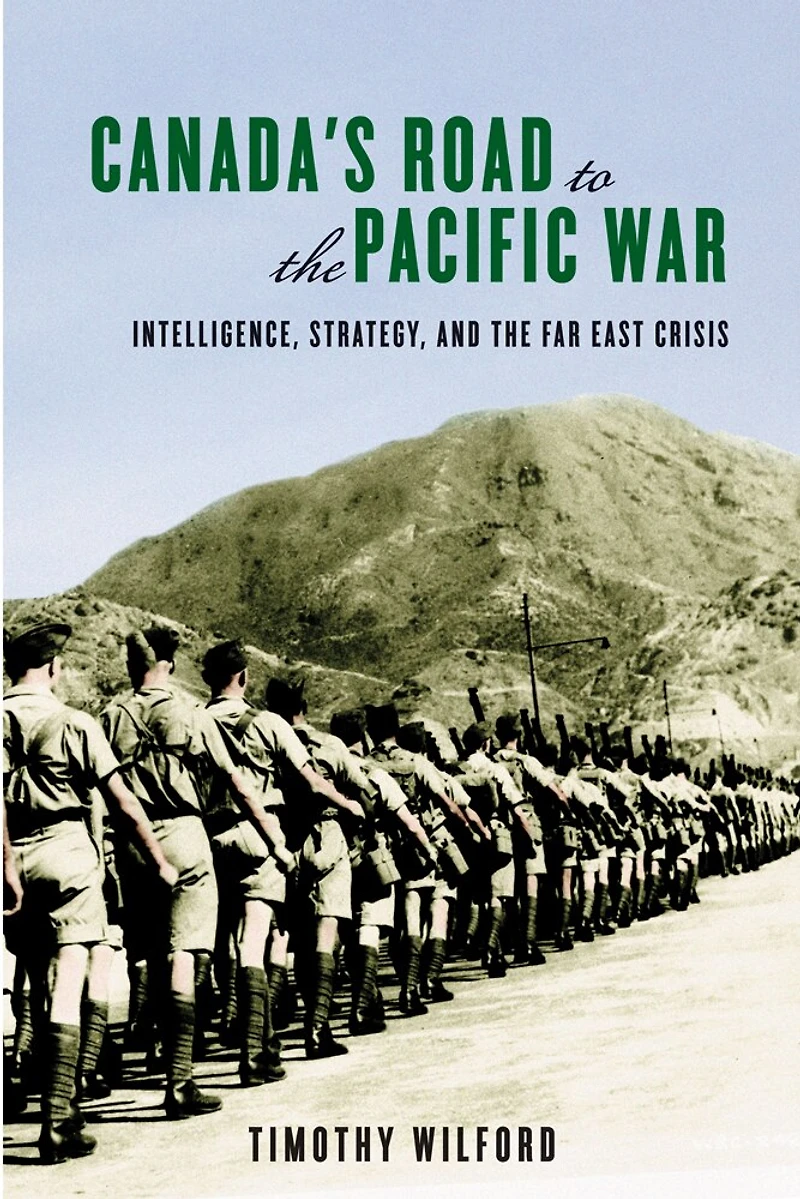
Canada's Road to the Pacific War: Intelligence, Strategy, and Far East Crisis
Current price: $95.00

Canada's Road to the Pacific War: Intelligence, Strategy, and Far East Crisis
Current price: $95.00
Loading Inventory...
Size: Hardcover
*Product information may vary - to confirm product availability, pricing, shipping and return information please contact Indigo
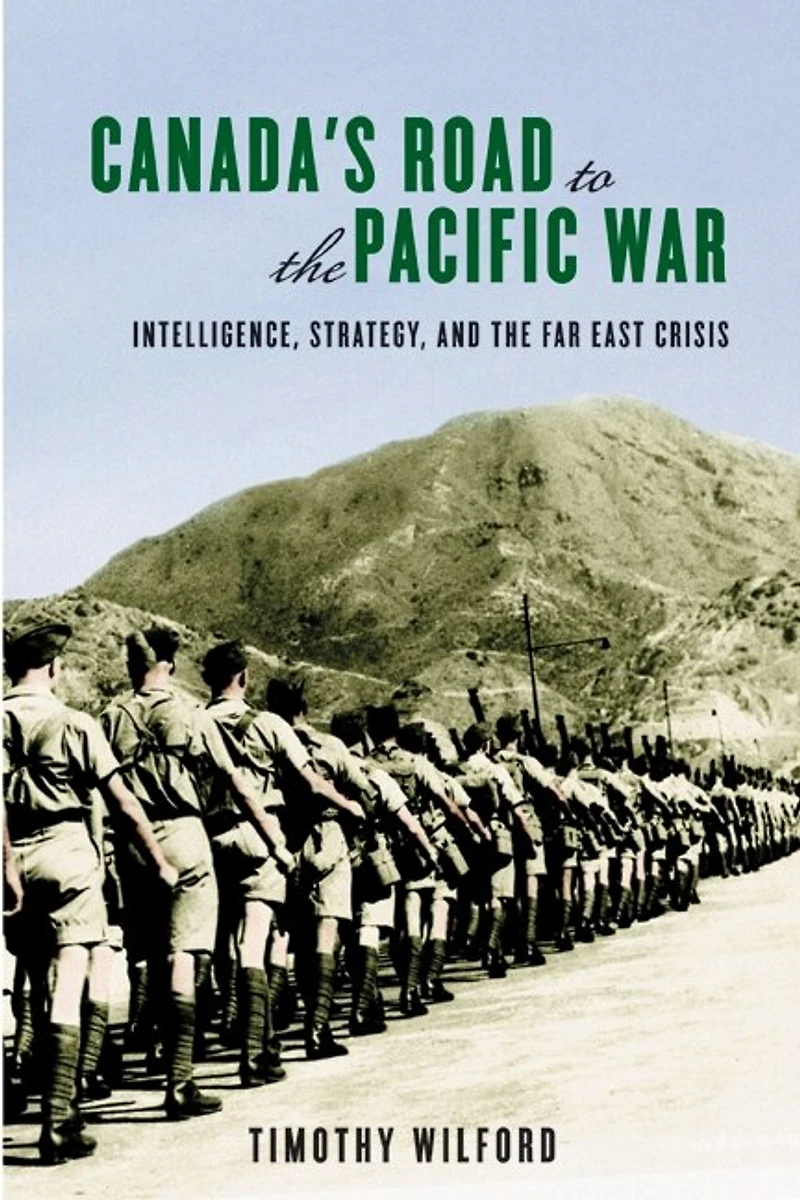
In December 1941, Japan attacked multiple targets in the Far East and the Pacific, including Canadian battalions stationed in Hong Kong. The disaster suggested that the Allies were totally unprepared for war. This book dispels that assumption by offering the first in-depth account of Canadian intelligence gathering and strategic planning on the eve of the Pacific War.
Canadians worked closely with their US and Allied counterparts to develop a picture of Japan’s intentions and a strategic plan to meet challenges in the Pacific. Although Canada wanted to avoid conflict with Japan until US participation was assured, policy makers anticipated action in the Pacific and made preparations for defence, which included the internment of Japanese Canadians. By highlighting Canada’s role as a Pacific power, Timothy Wilford sheds new light on events that led to the crisis in the Far East, as well as to the creation of the Grand Alliance.
In December 1941, Japan attacked multiple targets in the Far East and the Pacific, including Canadian battalions stationed in Hong Kong. The disaster suggested that the Allies were totally unprepared for war. This book dispels that assumption by offering the first in-depth account of Canadian intelligence gathering and strategic planning on the eve of the Pacific War.
Canadians worked closely with their US and Allied counterparts to develop a picture of Japan’s intentions and a strategic plan to meet challenges in the Pacific. Although Canada wanted to avoid conflict with Japan until US participation was assured, policy makers anticipated action in the Pacific and made preparations for defence, which included the internment of Japanese Canadians. By highlighting Canada’s role as a Pacific power, Timothy Wilford sheds new light on events that led to the crisis in the Far East, as well as to the creation of the Grand Alliance.
You May Also Like








More About Indigo at Erin Mills Town Centre
The largest book retailer in Canada also offers toys, music, home décor, gifts and lifestyle products. What's Inside...Books, Magazines, CD’s and DVD’s, Toys and Gifts, Home Accents, Electronics, Baby’s and Children’s Section, Bath and Body, Kitchen and Bedroom, Stationary Located outside in the exterior plaza.
5015 Glen Erin Dr, Mississauga, ON L5M 0R7, Canada
Find Indigo at Erin Mills Town Centre in Mississauga ON
Visit Indigo at Erin Mills Town Centre in Mississauga ON