

GIVE THE PERFECT GIFT
Erin Mills Town Centre Gift Cards are the perfect choice for your gift giving needs.Purchase gift cards at kiosks near the food court or centre court, at Guest Services, or click below to purchase online.PURCHASE HEREHome
Cane
Indigo
Loading Inventory...
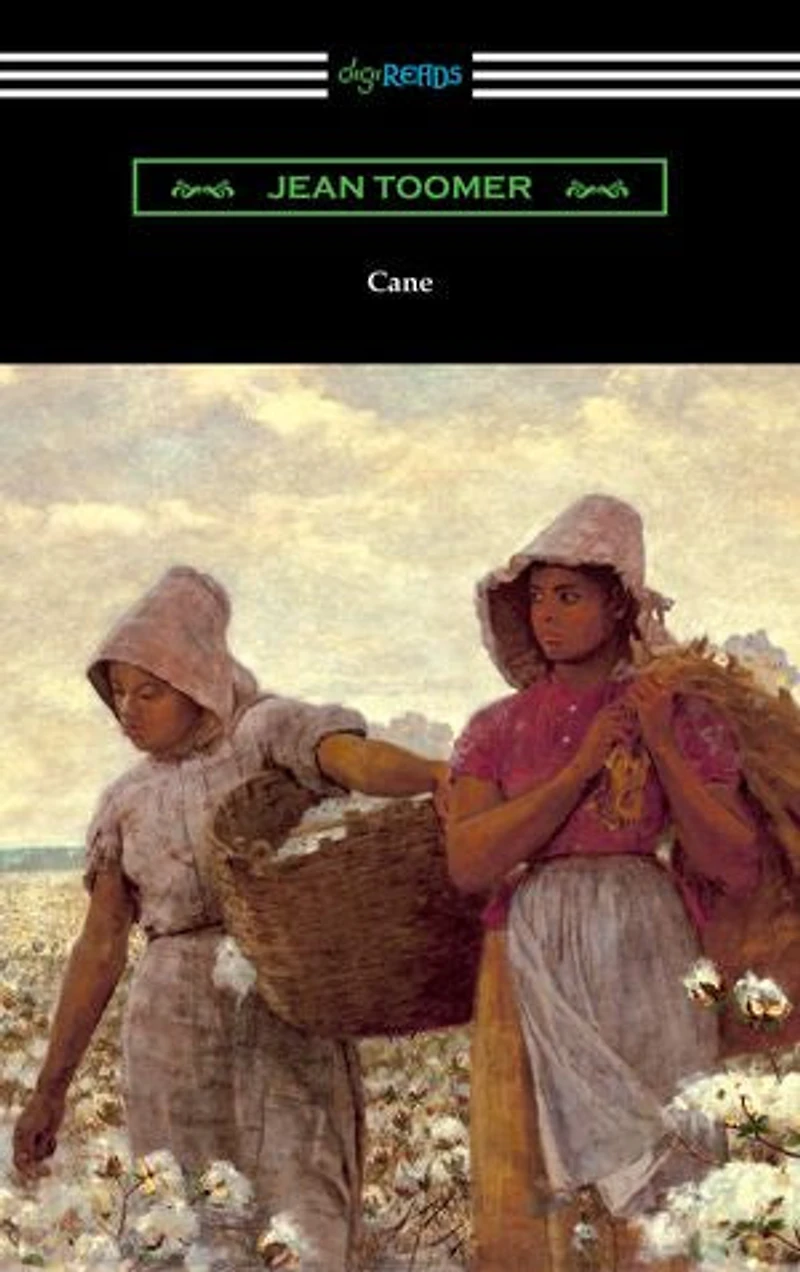
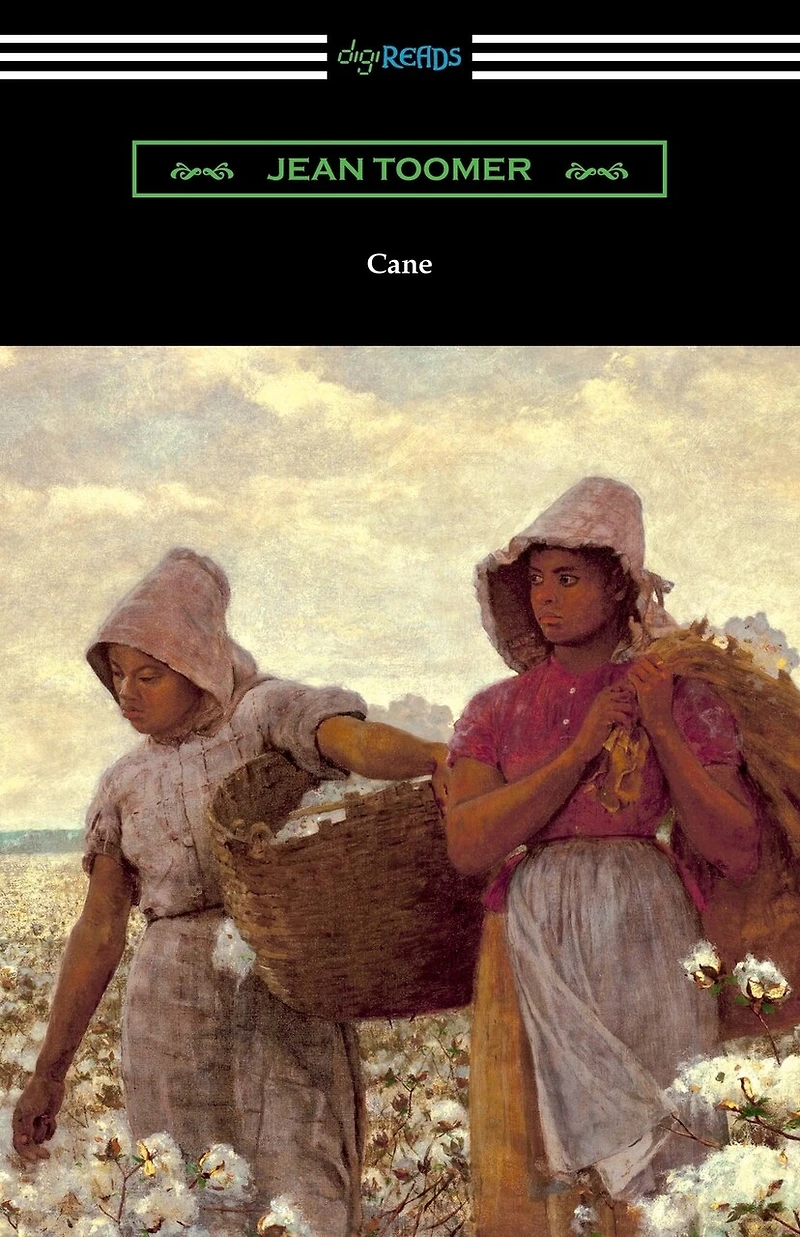
Cane
Current price: $8.99
Original price: $9.99

Cane
Current price: $8.99
Original price: $9.99
Loading Inventory...
Size: Kobo eBook
*Product information may vary - to confirm product availability, pricing, shipping and return information please contact Indigo
First published in 1923, "Cane" by Jean Toomer, is one of the most significant books to come out of the Harlem Renaissance. Jean Toomer, born Nathaniel Pinchback Toomer in Washington D. C. in 1894, was raised by his mother and her wealthy parents after being abandoned by his father as a baby. While he spent much of his life on the East Coast and at various colleges in Chicago and Wisconsin, he worked for several months in 1921 as a principal at a newly formed agricultural and industrial school for blacks in rural Sparta, Georgia, near where his father had lived. This experience gave Toomer a new-found understanding of the struggle of African-Americans in a society full of white supremacy and racial violence. At the end of his time in the South, Toomer began writing "Cane" and based the book on both the rural and urban lives of blacks in early 20th century America. The novel is organized into a series of loosely and thematically related vignettes and contains numerous literary styles, such as prose, poetry, and dramatic play-like passages of dialogue. "Cane" is a classic masterpiece of modernism and an important testament on the lives and struggles of African-Americans in the early part of the 20th century. This edition is printed on premium acid-free paper.
First published in 1923, "Cane" by Jean Toomer, is one of the most significant books to come out of the Harlem Renaissance. Jean Toomer, born Nathaniel Pinchback Toomer in Washington D. C. in 1894, was raised by his mother and her wealthy parents after being abandoned by his father as a baby. While he spent much of his life on the East Coast and at various colleges in Chicago and Wisconsin, he worked for several months in 1921 as a principal at a newly formed agricultural and industrial school for blacks in rural Sparta, Georgia, near where his father had lived. This experience gave Toomer a new-found understanding of the struggle of African-Americans in a society full of white supremacy and racial violence. At the end of his time in the South, Toomer began writing "Cane" and based the book on both the rural and urban lives of blacks in early 20th century America. The novel is organized into a series of loosely and thematically related vignettes and contains numerous literary styles, such as prose, poetry, and dramatic play-like passages of dialogue. "Cane" is a classic masterpiece of modernism and an important testament on the lives and struggles of African-Americans in the early part of the 20th century. This edition is printed on premium acid-free paper.














More About Indigo at Erin Mills Town Centre
The largest book retailer in Canada also offers toys, music, home décor, gifts and lifestyle products. What's Inside...Books, Magazines, CD’s and DVD’s, Toys and Gifts, Home Accents, Electronics, Baby’s and Children’s Section, Bath and Body, Kitchen and Bedroom, Stationary Located outside in the exterior plaza.
5015 Glen Erin Dr, Mississauga, ON L5M 0R7, Canada
Find Indigo at Erin Mills Town Centre in Mississauga ON
Visit Indigo at Erin Mills Town Centre in Mississauga ON