

GIVE THE PERFECT GIFT
Erin Mills Town Centre Gift Cards are the perfect choice for your gift giving needs.Purchase gift cards at kiosks near the food court or centre court, at Guest Services, or click below to purchase online.PURCHASE HEREHome
Capital and Labour the British Columbia Forest Industry, 1934-74
Indigo
Loading Inventory...
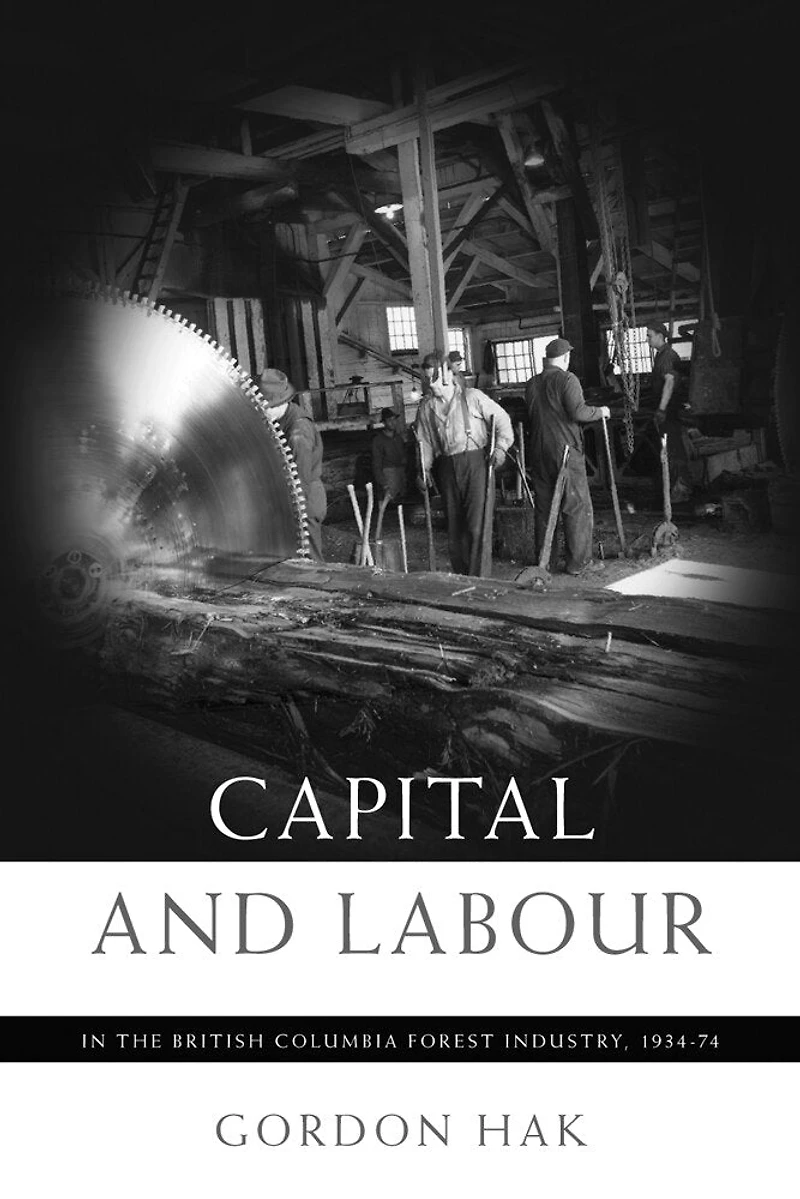
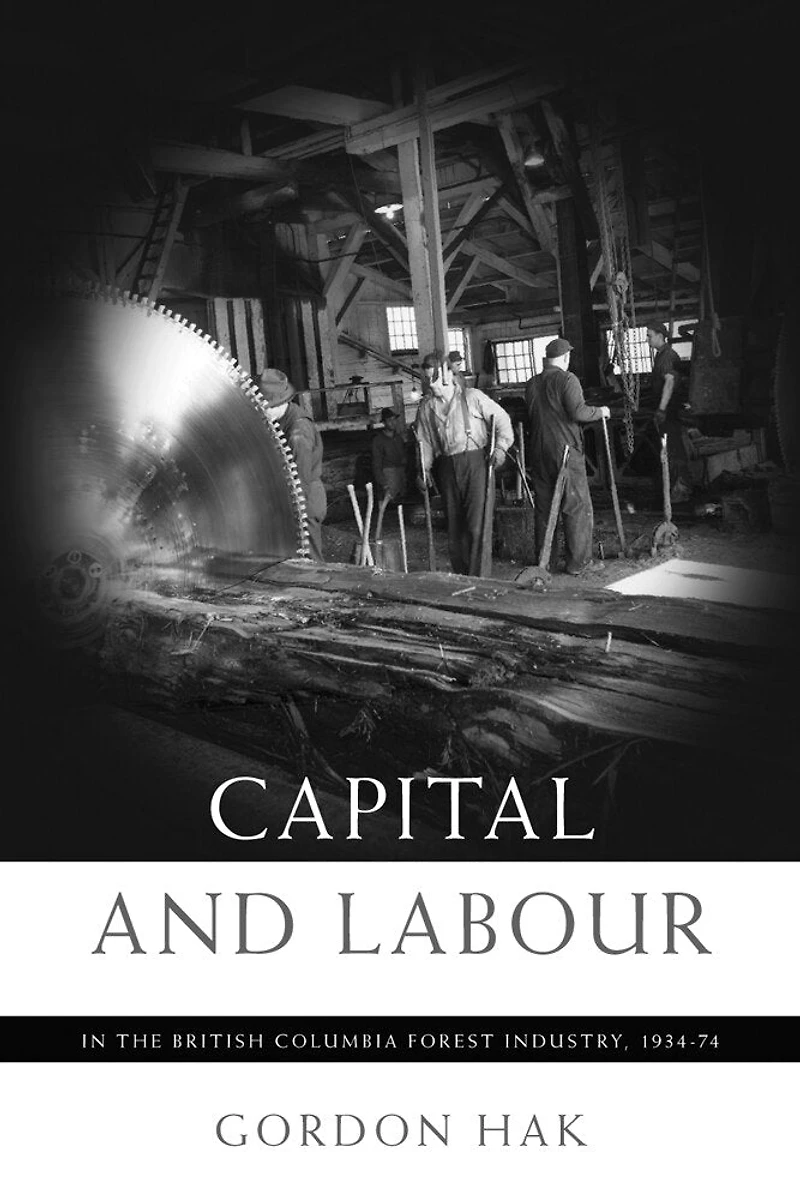
Capital and Labour the British Columbia Forest Industry, 1934-74
Current price: $95.00

Capital and Labour the British Columbia Forest Industry, 1934-74
Current price: $95.00
Loading Inventory...
Size: Hardcover
*Product information may vary - to confirm product availability, pricing, shipping and return information please contact Indigo
The history of British Columbia’s economy in the twentieth century is inextricably bound to the development of the forest industry. In this comprehensive study, Gordon Hak approaches the forest industry from the perspectives of workers and employers, examining the two main sets of institutions that structured the relationship during the Fordist era: the companies and the unions.
Drawing on theories of the labour process, Fordism, and discursive subjectivity, Hak relates daily routines of production and profit-making to broader forces of unionism, business ideology, ecological protest, technological change, and corporate concentration. The struggle of the small-business sector to survive in the face of corporate growth, the history of the industry on the Coast and in the Interior, the transformations in capital-labour relations during the period, government forest policy, and the forest industry’s encounter with the emerging environmental movement are all considered in this eloquent analysis.
With its critical historical perspective, Capital and Labour in the British Columbia Forest Industry will be essential reading for anyone interested in the business, natural resource, political, social, and labour history of the province.
The history of British Columbia’s economy in the twentieth century is inextricably bound to the development of the forest industry. In this comprehensive study, Gordon Hak approaches the forest industry from the perspectives of workers and employers, examining the two main sets of institutions that structured the relationship during the Fordist era: the companies and the unions.
Drawing on theories of the labour process, Fordism, and discursive subjectivity, Hak relates daily routines of production and profit-making to broader forces of unionism, business ideology, ecological protest, technological change, and corporate concentration. The struggle of the small-business sector to survive in the face of corporate growth, the history of the industry on the Coast and in the Interior, the transformations in capital-labour relations during the period, government forest policy, and the forest industry’s encounter with the emerging environmental movement are all considered in this eloquent analysis.
With its critical historical perspective, Capital and Labour in the British Columbia Forest Industry will be essential reading for anyone interested in the business, natural resource, political, social, and labour history of the province.
You May Also Like













More About Indigo at Erin Mills Town Centre
The largest book retailer in Canada also offers toys, music, home décor, gifts and lifestyle products. What's Inside...Books, Magazines, CD’s and DVD’s, Toys and Gifts, Home Accents, Electronics, Baby’s and Children’s Section, Bath and Body, Kitchen and Bedroom, Stationary Located outside in the exterior plaza.
5015 Glen Erin Dr, Mississauga, ON L5M 0R7, Canada
Find Indigo at Erin Mills Town Centre in Mississauga ON
Visit Indigo at Erin Mills Town Centre in Mississauga ON