

GIVE THE PERFECT GIFT
Erin Mills Town Centre Gift Cards are the perfect choice for your gift giving needs.Purchase gift cards at kiosks near the food court or centre court, at Guest Services, or click below to purchase online.PURCHASE HEREHome
Capital-in-Crisis, Trade Unionism and the Question of Revolutionary Agency
Indigo
Loading Inventory...
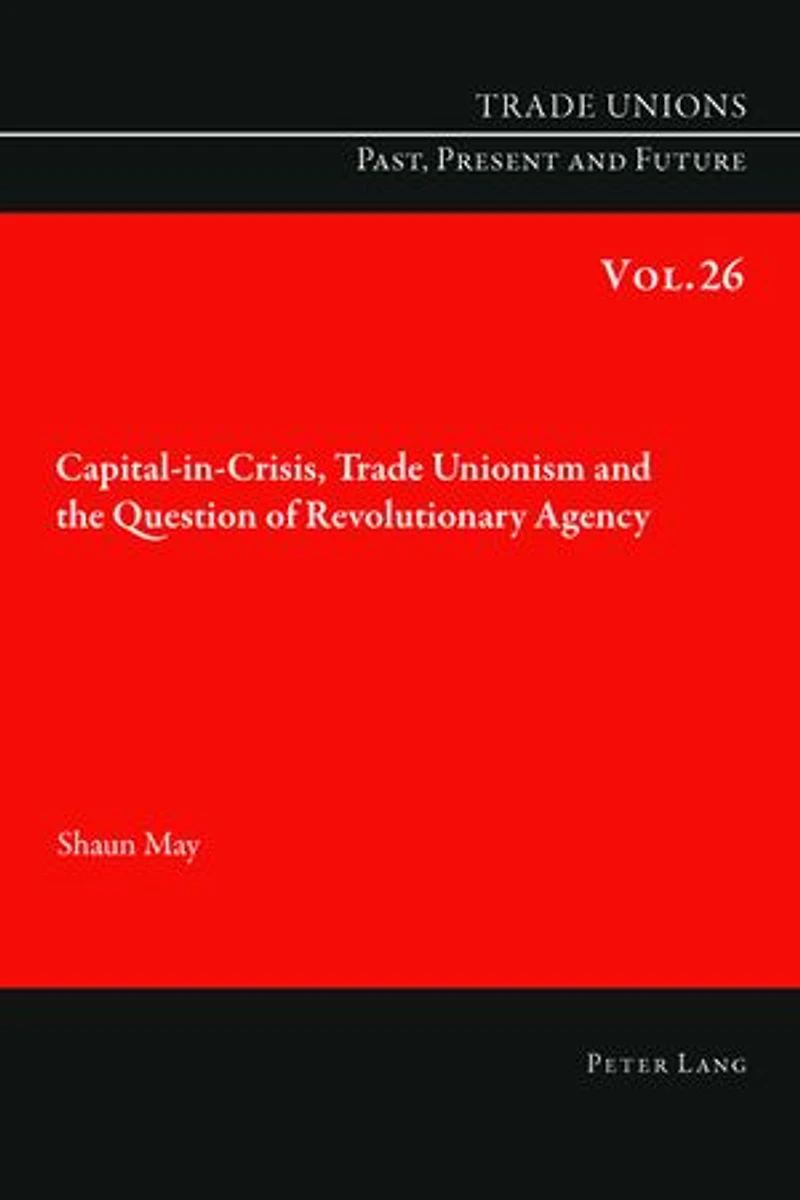
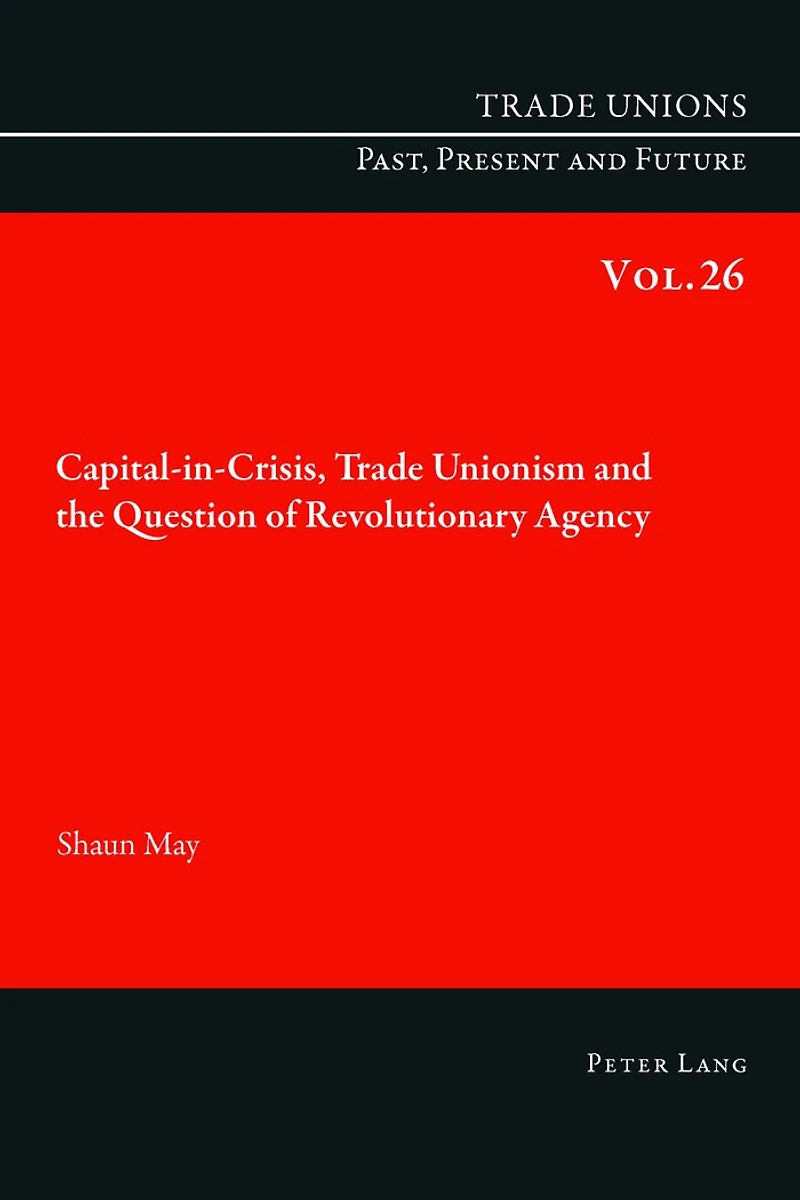
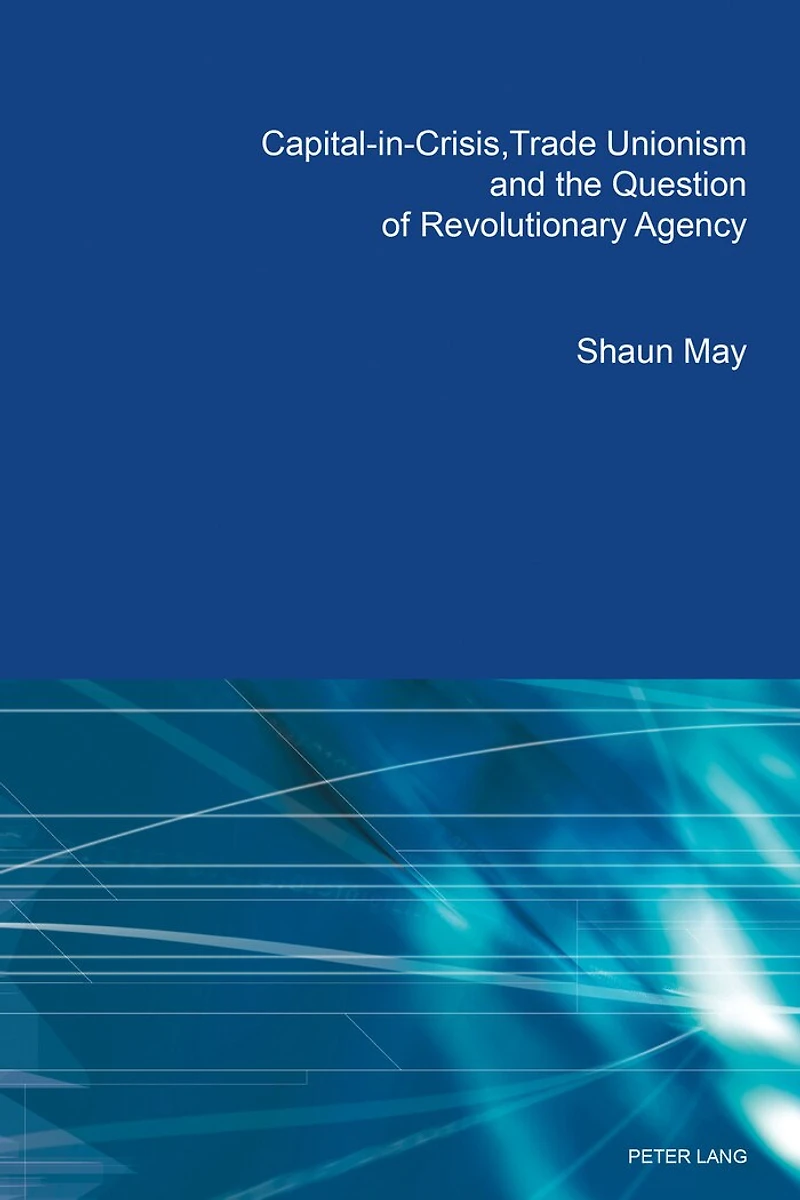
Capital-in-Crisis, Trade Unionism and the Question of Revolutionary Agency
Current price: $95.49
Original price: $119.37

Capital-in-Crisis, Trade Unionism and the Question of Revolutionary Agency
Current price: $95.49
Original price: $119.37
Loading Inventory...
Size: Kobo eBook
*Product information may vary - to confirm product availability, pricing, shipping and return information please contact Indigo
The entry of the capital relation into its epoch of structural crisis forms the basis for the development of the author’s conception of revolutionary agency. Drawing on the work and achievements of both Marx and Hungarian socialist thinker Istvn Mszros, May relates the emergence and deepening of the structural crisis to the decline of trade unionism as the traditional and universal form of organization deployed economistically by workers against capital. In the relationship between the defensively-structured, universal, trade union form and the growing contradictions of the global capitalist system, May seeks to unearth the possibility of a higher form of agency which is more adequately adapted to address the immediate and long-term objectives facing millions of people today worldwide in the age of capital’s destructive self-reproduction. Looking back in order to look forward, he also subjects the form of agency within the Russian Revolution to a critique which relates it directly to the conditions prevailing in Russia at the time. In so doing, he questions its supposed validity as a form of revolutionary agency for the struggle to put an end to the global capitalist system today.
The entry of the capital relation into its epoch of structural crisis forms the basis for the development of the author’s conception of revolutionary agency. Drawing on the work and achievements of both Marx and Hungarian socialist thinker Istvn Mszros, May relates the emergence and deepening of the structural crisis to the decline of trade unionism as the traditional and universal form of organization deployed economistically by workers against capital. In the relationship between the defensively-structured, universal, trade union form and the growing contradictions of the global capitalist system, May seeks to unearth the possibility of a higher form of agency which is more adequately adapted to address the immediate and long-term objectives facing millions of people today worldwide in the age of capital’s destructive self-reproduction. Looking back in order to look forward, he also subjects the form of agency within the Russian Revolution to a critique which relates it directly to the conditions prevailing in Russia at the time. In so doing, he questions its supposed validity as a form of revolutionary agency for the struggle to put an end to the global capitalist system today.
You May Also Like







More About Indigo at Erin Mills Town Centre
The largest book retailer in Canada also offers toys, music, home décor, gifts and lifestyle products. What's Inside...Books, Magazines, CD’s and DVD’s, Toys and Gifts, Home Accents, Electronics, Baby’s and Children’s Section, Bath and Body, Kitchen and Bedroom, Stationary Located outside in the exterior plaza.
5015 Glen Erin Dr, Mississauga, ON L5M 0R7, Canada
Find Indigo at Erin Mills Town Centre in Mississauga ON
Visit Indigo at Erin Mills Town Centre in Mississauga ON