

GIVE THE PERFECT GIFT
Erin Mills Town Centre Gift Cards are the perfect choice for your gift giving needs.Purchase gift cards at kiosks near the food court or centre court, at Guest Services, or click below to purchase online.PURCHASE HEREHome
Capital Punishment the Bahamas Privy Council's Moratorium
Indigo
Loading Inventory...
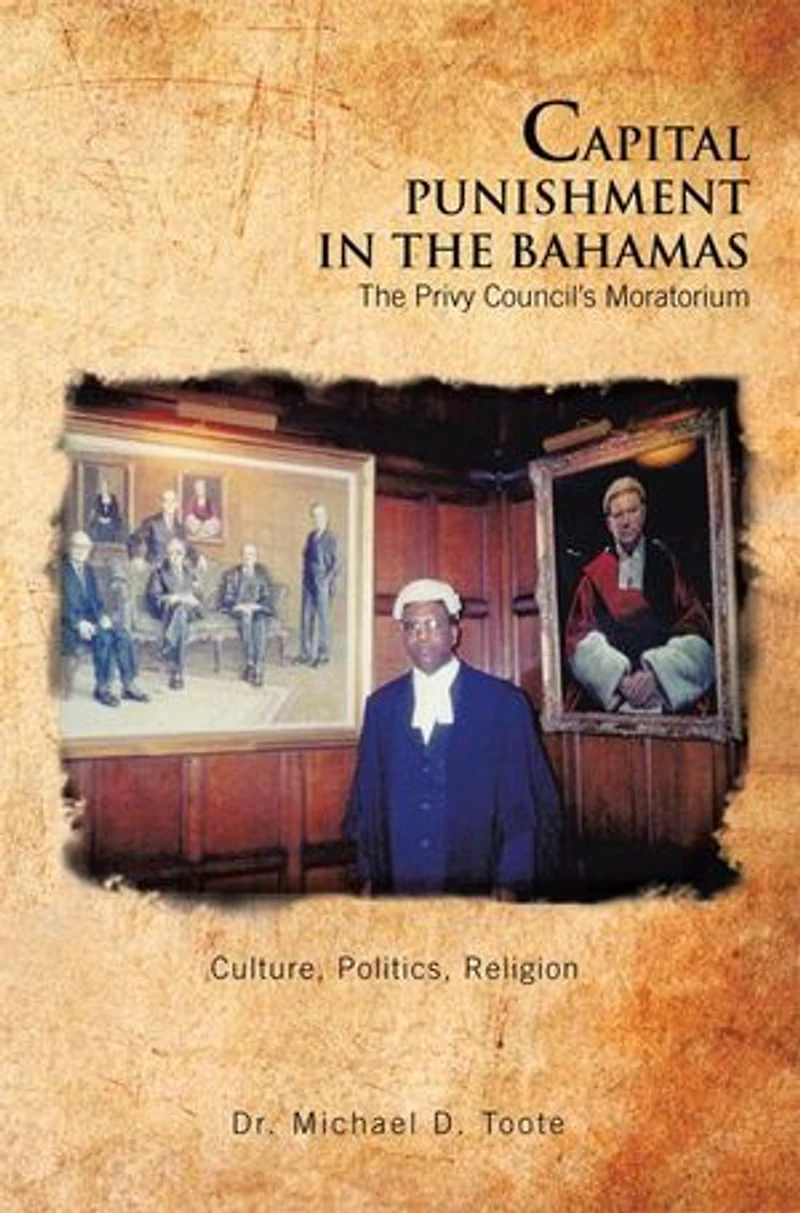
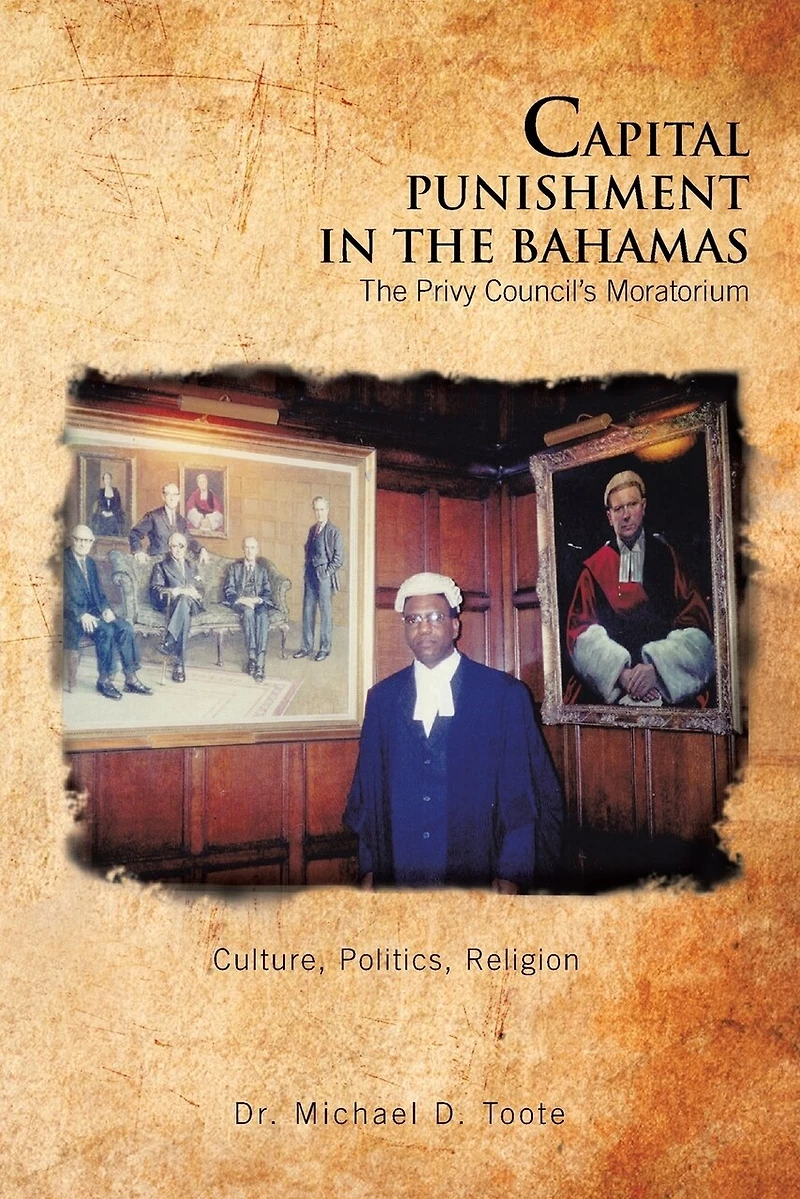
Capital Punishment the Bahamas Privy Council's Moratorium
Current price: $5.39
Original price: $5.99

Capital Punishment the Bahamas Privy Council's Moratorium
Current price: $5.39
Original price: $5.99
Loading Inventory...
Size: Kobo eBook
*Product information may vary - to confirm product availability, pricing, shipping and return information please contact Indigo
Capital punishment is a debate that grips civil society anew with every incidence of homicide. The cry from a majority of stakeholders is a desperate plea to enforce the death penalty which has been derogated by the courts, at home and abroad. The abatement of capital punishment takes place amidst a tidal wave of unrelenting crimes against the person, namely murder. The branches of government seem bereft at best to provide a remedy and at worse unable to enforce the law as it relates capital punishment in the Bahamas. Added to this is an uneasy public whose trust in the executive, legislative and judicial branches of government is noticeably waning. Additionally, outside forces, led by abolitionists, are bearing down on the Bahamas with a view of nudging the nation and the Caribbean into an era of life imprisonment for murder as opposed to death by hanging as its penalty. Toote sets forth these issues with striking clarity, offering practical remedies to help settle the controversy surrounding the death penalty in the Bahamas and the Caribbean. 'Capital Punishment in the Bahamas and the Caribbean' in light of the Privy Council's moratorium is required reading for all who desire an appreciation of the subject of capital punishment, including students, religious leaders and professionals in the legal arena.
Capital punishment is a debate that grips civil society anew with every incidence of homicide. The cry from a majority of stakeholders is a desperate plea to enforce the death penalty which has been derogated by the courts, at home and abroad. The abatement of capital punishment takes place amidst a tidal wave of unrelenting crimes against the person, namely murder. The branches of government seem bereft at best to provide a remedy and at worse unable to enforce the law as it relates capital punishment in the Bahamas. Added to this is an uneasy public whose trust in the executive, legislative and judicial branches of government is noticeably waning. Additionally, outside forces, led by abolitionists, are bearing down on the Bahamas with a view of nudging the nation and the Caribbean into an era of life imprisonment for murder as opposed to death by hanging as its penalty. Toote sets forth these issues with striking clarity, offering practical remedies to help settle the controversy surrounding the death penalty in the Bahamas and the Caribbean. 'Capital Punishment in the Bahamas and the Caribbean' in light of the Privy Council's moratorium is required reading for all who desire an appreciation of the subject of capital punishment, including students, religious leaders and professionals in the legal arena.
You May Also Like









More About Indigo at Erin Mills Town Centre
The largest book retailer in Canada also offers toys, music, home décor, gifts and lifestyle products. What's Inside...Books, Magazines, CD’s and DVD’s, Toys and Gifts, Home Accents, Electronics, Baby’s and Children’s Section, Bath and Body, Kitchen and Bedroom, Stationary Located outside in the exterior plaza.
5015 Glen Erin Dr, Mississauga, ON L5M 0R7, Canada
Find Indigo at Erin Mills Town Centre in Mississauga ON
Visit Indigo at Erin Mills Town Centre in Mississauga ON