

GIVE THE PERFECT GIFT
Erin Mills Town Centre Gift Cards are the perfect choice for your gift giving needs.Purchase gift cards at kiosks near the food court or centre court, at Guest Services, or click below to purchase online.PURCHASE HEREHome
Capitalism: Its Origins and Evolution as a System of Governance
Indigo
Loading Inventory...
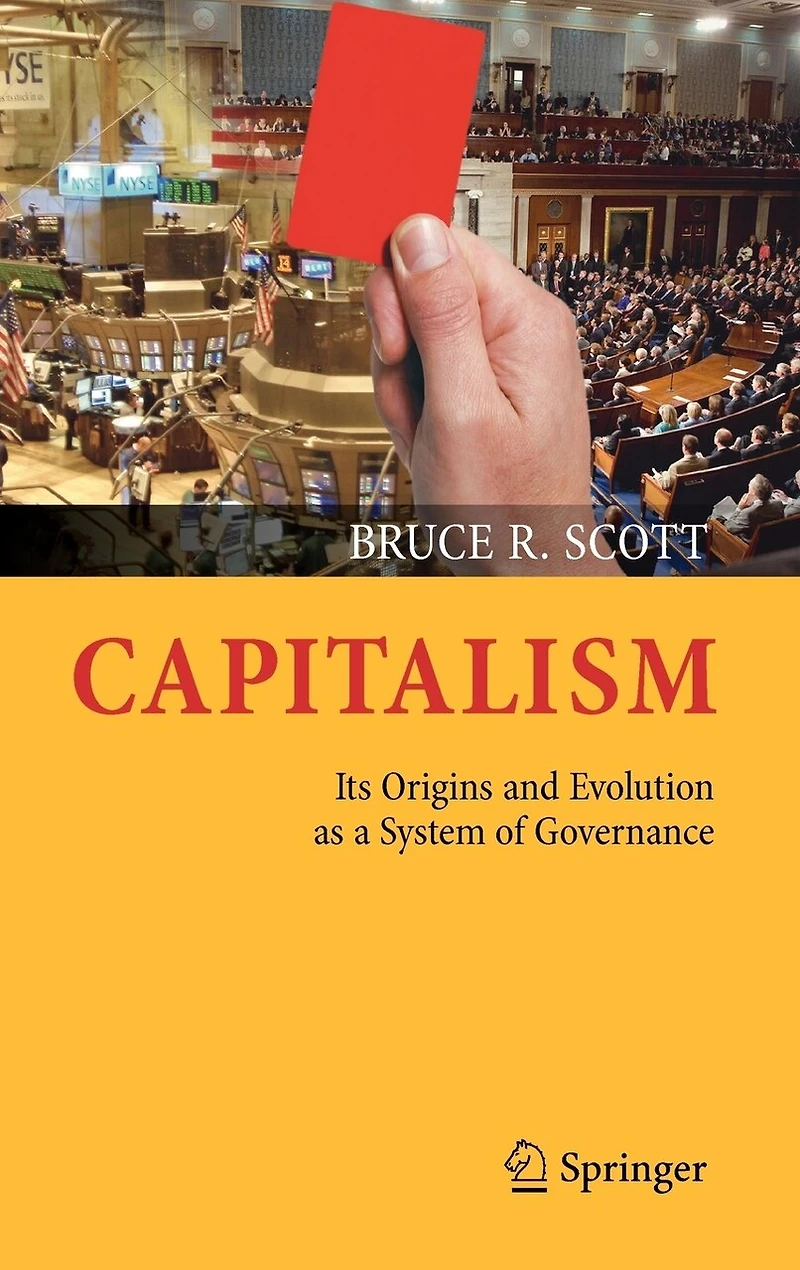

Capitalism: Its Origins and Evolution as a System of Governance
Current price: $175.50

Capitalism: Its Origins and Evolution as a System of Governance
Current price: $175.50
Loading Inventory...
Size: Hardcover
*Product information may vary - to confirm product availability, pricing, shipping and return information please contact Indigo
Two systems of governance, capitalism and democracy, prevail in the world today. Operating simultaneously in partially distinct domains, these systems rely on indirect governance through regulated competition to coordinate actors; inevitably, these systems influence and transform each other. This book rejects the simple equation of capitalism with markets in favor of a three-level system, a model which recognizes that markets are administered by regulators through institutions and governed by a political authority with the power to regulate behavior, punish transgressors, and redesign institutions. This system's emergence required the sovereign to relinquish some power in order to release the energies of economic actors. Rather than spreading through an unguided natural process like trade, capitalism emerged where competitive pressures forced political authorities to take risks in order to achieve increased revenues by permitting markets for land, labor, and capital.
Two systems of governance, capitalism and democracy, prevail in the world today. Operating simultaneously in partially distinct domains, these systems rely on indirect governance through regulated competition to coordinate actors; inevitably, these systems influence and transform each other. This book rejects the simple equation of capitalism with markets in favor of a three-level system, a model which recognizes that markets are administered by regulators through institutions and governed by a political authority with the power to regulate behavior, punish transgressors, and redesign institutions. This system's emergence required the sovereign to relinquish some power in order to release the energies of economic actors. Rather than spreading through an unguided natural process like trade, capitalism emerged where competitive pressures forced political authorities to take risks in order to achieve increased revenues by permitting markets for land, labor, and capital.
You May Also Like














More About Indigo at Erin Mills Town Centre
The largest book retailer in Canada also offers toys, music, home décor, gifts and lifestyle products. What's Inside...Books, Magazines, CD’s and DVD’s, Toys and Gifts, Home Accents, Electronics, Baby’s and Children’s Section, Bath and Body, Kitchen and Bedroom, Stationary Located outside in the exterior plaza.
5015 Glen Erin Dr, Mississauga, ON L5M 0R7, Canada
Find Indigo at Erin Mills Town Centre in Mississauga ON
Visit Indigo at Erin Mills Town Centre in Mississauga ON