

GIVE THE PERFECT GIFT
Erin Mills Town Centre Gift Cards are the perfect choice for your gift giving needs.Purchase gift cards at kiosks near the food court or centre court, at Guest Services, or click below to purchase online.PURCHASE HEREHome
Captive Consumers: Hunger, Violence, and Inequality American Prison Food
Indigo
Loading Inventory...
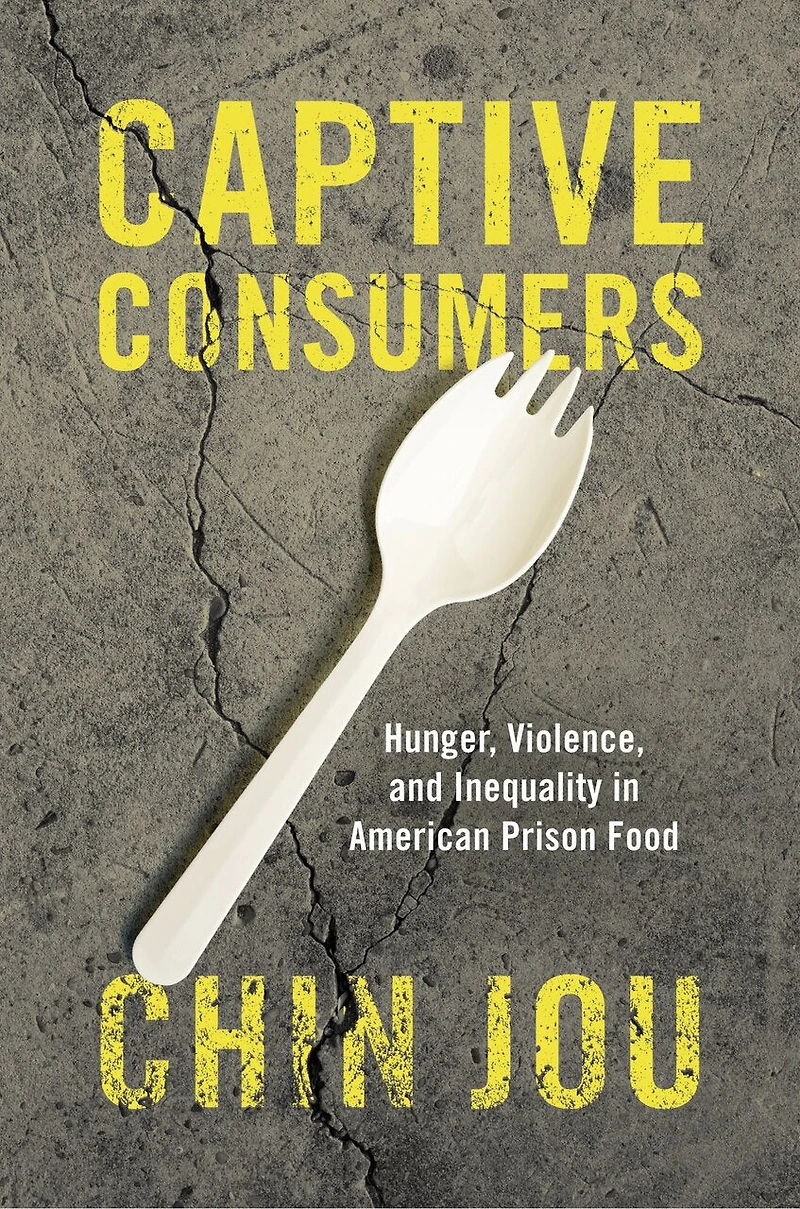
Captive Consumers: Hunger, Violence, and Inequality American Prison Food
Current price: $133.95

Captive Consumers: Hunger, Violence, and Inequality American Prison Food
Current price: $133.95
Loading Inventory...
Size: Hardcover
*Product information may vary - to confirm product availability, pricing, shipping and return information please contact Indigo
Much of what happens inside America’s prisons remains hidden from public view, and the food doled out to incarcerated people is no exception. In Captive Consumers , Chin Jou exposes a system of mistreatment and scandal surrounding prison food: across the country, those behind bars live with chronic hunger, eat foods contrary to their religious beliefs and medical needs, and develop foodborne illnesses at alarming rates. At the same time, corrections systems and prison food services weaponize nutritional claims to protect themselves from charges that the incarcerated are starving.
Using a wealth of sources from untapped historical records to prison newspapers, Jou excavates the voices of the incarcerated and shows that prison food dehumanizes the imprisoned, compounds racial and class inequalities, and induces more violence—ultimately making carceral institutions more dangerous. But this compelling book also illuminates how people behind bars have reasserted their identities, resourcefulness, and humanity through self-prepared food even as prison food services profit from lucrative, taxpayer-funded contracts that reward cost-cutting over care. If US corrections systems continue to perpetuate physical and psychological violence through food, Jou argues, Americans will suffer not just wasted tax dollars but the cost of bringing traumatized, ailing, and hungry formerly incarcerated people back into society.
Much of what happens inside America’s prisons remains hidden from public view, and the food doled out to incarcerated people is no exception. In Captive Consumers , Chin Jou exposes a system of mistreatment and scandal surrounding prison food: across the country, those behind bars live with chronic hunger, eat foods contrary to their religious beliefs and medical needs, and develop foodborne illnesses at alarming rates. At the same time, corrections systems and prison food services weaponize nutritional claims to protect themselves from charges that the incarcerated are starving.
Using a wealth of sources from untapped historical records to prison newspapers, Jou excavates the voices of the incarcerated and shows that prison food dehumanizes the imprisoned, compounds racial and class inequalities, and induces more violence—ultimately making carceral institutions more dangerous. But this compelling book also illuminates how people behind bars have reasserted their identities, resourcefulness, and humanity through self-prepared food even as prison food services profit from lucrative, taxpayer-funded contracts that reward cost-cutting over care. If US corrections systems continue to perpetuate physical and psychological violence through food, Jou argues, Americans will suffer not just wasted tax dollars but the cost of bringing traumatized, ailing, and hungry formerly incarcerated people back into society.
You May Also Like















More About Indigo at Erin Mills Town Centre
The largest book retailer in Canada also offers toys, music, home décor, gifts and lifestyle products. What's Inside...Books, Magazines, CD’s and DVD’s, Toys and Gifts, Home Accents, Electronics, Baby’s and Children’s Section, Bath and Body, Kitchen and Bedroom, Stationary Located outside in the exterior plaza.
5015 Glen Erin Dr, Mississauga, ON L5M 0R7, Canada
Find Indigo at Erin Mills Town Centre in Mississauga ON
Visit Indigo at Erin Mills Town Centre in Mississauga ON